As an Amazon Associate, we earn from qualifying purchases. Some links on this site are affiliate links at no extra cost to you. Our recommendations are based on thorough research and editorial judgment.


Electric Fireplace Heaters: Install And Use

Electric fireplace heaters offer warmth and ambiance when installed and used correctly. Begin with a thorough site assessment, guaranteeing proximity to an outlet and adequate clearance. Attach the mounting bracket securely, using a level for accuracy. For electrical considerations, calculate wattage and ascertain dedicated circuits are utilized. Maintain a safe distance of at least three feet around the unit, keeping vents clear. Finally, activate and control settings carefully for safety and efficiency. Discover additional tips to maximize your fireplace experience.
Key Takeaways
- Conduct a site assessment to choose an optimal location with proximity to an electrical outlet and proper clearance from objects.
- Mount the fireplace bracket at half the height of the fireplace using a level, and secure it to wall studs for stability.
- Ensure electrical requirements are met by using a dedicated circuit and appropriate wire gauge to prevent overload.
- Keep a minimum three-foot clearance around the fireplace and avoid placing it near water sources or flammable materials.
- Activate the fireplace by connecting it to a grounded outlet, and adjust heat and flame settings as needed for use.
Installation Preparation
You may be interested
When preparing for the installation of electric fireplace heaters, careful planning is essential to confirm a safe and effective setup. A thorough site assessment is vital for identifying the best location.
The installation checklist should include the following considerations:
- Verify proximity to an electrical outlet.
- Avoid areas exposed to direct sunlight or dampness.
- Check wall materials are suitable for installation.
- Maintain proper clearance from nearby objects as per manufacturer guidelines.
Additionally, check electrical requirements such as circuit capacity and whether a dedicated line is necessary. Consulting with a qualified electrician for hardwiring is advisable if unfamiliar with electrical work. Following these steps will help create a safe and functional space for the electric fireplace heater. Moreover, ensure to prioritize safety features such as overheat protection to prevent any hazards during operation.
Recommended Products

Safety First: Our electric fireplace is equipped with an overheat protection system. The heater will automatically shut off when the internal elements reach 115℃, ensuring your safety and preventing potential fires. Relax with peace of mind knowing your home is protected

Charming Design: Includes side viewing windows, a glass door that really opens, and a brick-style back panel. This stove heater not only enhances your décor but delivers infrared heat in any room up to 1,000 square feet. Easily carry this portable heater to any room you wish.

5,200 BTU heater provides supplemental zone heating for up to 1,000 square feet to help you save money on heating bills
Mounting and Physical Installation

Mounting and physical installation of electric fireplace heaters require careful attention to detail to guarantee safety and functionality. First, the bracket placement should be about half the height of the fireplace for optimal fit. Using a level during installation aids in applying alignment techniques, making sure the bracket is straight.
- Utilize a stud finder to locate wall studs for secure attachment.
- Mark the wall using a pencil to identify bracket placement.
- Drill pilot holes before securing the bracket.
Once the bracket is in place, two people should lift the fireplace for easy installation, making sure it engages the wall bracket correctly. Regularly check the stability of the installation to verify safety and longevity. Consider following professional installation recommendations for optimal function and safety.
Recommended Products

MOTORIZED FIREPLACE TV MOUNT: The MOUNT-IT! Motorized Fireplace TV Mount isn’t just any fireplace TV mount pull down; it's a sleek, modern solution to elevate your viewing experience. With its whisper-quiet motor, it effortlessly lowers and raises your TV to the perfect viewing height, blending seamlessly with your living space aesthetics. Ideal for those seeking a harmonious balance of style and functionality, especially above the fireplace.

MOTORIZED FIREPLACE TV MOUNT: The FORGING MOUNT Motorized Fireplace TV Mount goes beyond a standard pull-down design—it’s a sleek, modern solution that elevates your viewing experience. Featuring an ultra-quiet motor, it smoothly raises and lowers your TV to the ideal viewing height, blending seamlessly with your home’s aesthetics. Perfect for those seeking the perfect balance of style and function—especially above the fireplace.

MOTORIZED FIREPLACE TV MOUNT: The MOUNT-IT! Motorized Fireplace TV Mount isn’t just any fireplace TV mount pull down; it's a sleek, modern solution to elevate your viewing experience. With its whisper-quiet motor, it effortlessly lowers and raises your TV to the perfect viewing height, blending seamlessly with your living space aesthetics. Ideal for those seeking a harmonious balance of style and functionality, especially above the fireplace.
Electrical and Wiring Considerations

Electrical and wiring considerations play a crucial role in guaranteeing that electric fireplace heaters operate safely and efficiently. Proper wattage calculation is essential; most models operate on 120 volts, drawing between 1,500 to 2,000 watts. For efficiency and safety, it is advised to use dedicated circuits, especially when operating at maximum heat settings.
Key Points:
- Calculate amperage by dividing wattage by voltage.
- Add a 25% safety margin to prevent overloading.
- Use appropriate wire gauge: 14-gauge for 15-amps, and 12-gauge for 20-amps.
- Confirm circuit specifications match the fireplace’s requirements.
Additionally, selecting models with advanced PTC ceramic technology can enhance energy efficiency during use.
Consult local codes and manufacturer specifications for precise installation guidelines. Professional advice is recommended to guarantee compliance and safety.
Recommended Products
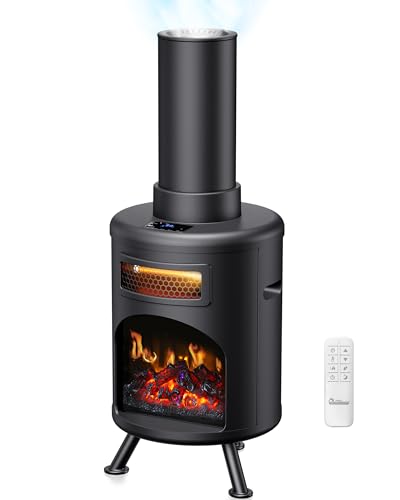
3D REALISTIC FLAMES & WARMTH: Enjoy the cozy ambiance of two adjustable flame brightness levels paired with efficient 1500W infrared heating that warms you directly without drying out the air.

APPEARANCE: The Sideline electric fireplace is designed for recessed in-wall mounting. Creating a cozy atmosphere of a traditional fireplace, this electronic fireplace has realistic flames with a real fire look. The Sideline’s 5 flame settings radiate a soft ember glow up to an intense blaze. Sideline gives you the total package. Control the heat and flame with the remote control. Designed to use one log or crystal, if you prefer you can mix both safely.
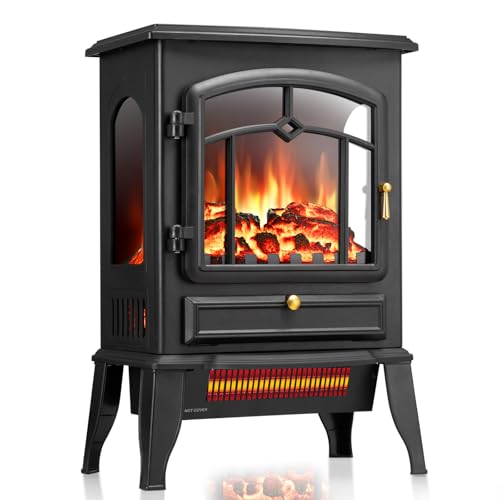
Charming Design: This electric fireplace stove adopts a vintage - style stove body design, paired with highly realistic simulated flames and transparent glass viewing windows. And it blends classic stove rack and door - shape details in an ebony finish. The exquisite design infuses a retro-romantic vibe into your home space
Safety and Clearance Requirements

Safety and clearance requirements are fundamental aspects of guaranteeing electric fireplace heaters function safely in any home environment. To adhere to clearance guidelines, maintain a minimum three-foot distance around the unit. Keep flammable items, such as curtains and furniture, away to prevent fire risks.
Additionally, confirm that air intake and heat exhaust vents remain unobstructed for proper airflow. It is critical to avoid placing the fireplace near water sources or damp areas, as this poses electrical hazards. Moreover, placing the unit on a stable, level surface is essential for stability and fire safety. Regular inspections for damage and confirming no clutter obstructs the fireplace are also important safety practices. Taking these precautions helps maintain a safe and enjoyable atmosphere.
For optimal performance and safety, consider features like overheat protection to provide additional peace of mind.
Recommended Products
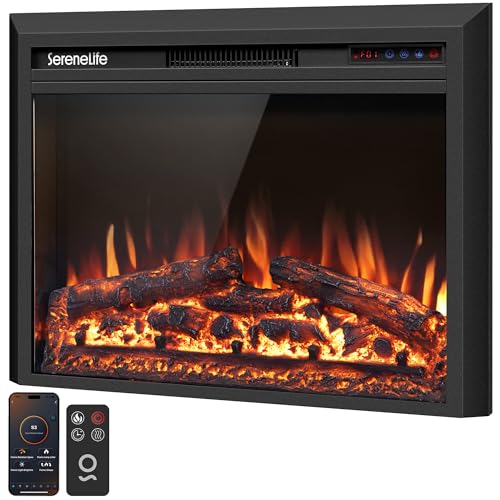
REALISTIC LED FLAME EFFECTS - This electric fireplace heater features 13 LED flame colors and a glowing crystal ember bed for a realistic vibe. 5 brightness levels match any room ambiance. Ideal fire place centerpiece for cozy living

CSA/UL certification ensures long time services and user's safety

Perfect Fit, Perfect View: This electric fireplace features dimensions of 30"/36"W x 5.7"D x 21.5"H, designed to snugly fit openings of 29.1"/32.1"W x 5.9"D x 19.7"H. Maintain just 12" clearance from the TV above for a seamless, wall-flush look.
Operation and Use

Operating an electric fireplace heater involves several straightforward steps to guarantee efficient and safe use. First, the main power switch must be activated, which often produces an audible beep confirming power. Users should always connect the unit to a grounded outlet and avoid using extension cords.
Next, heat settings can be adjusted by pressing the heater button, cycling through off, low, and high modes. Flame effects are independently controlled, allowing for ambiance even without heat. Users can also adjust flame brightness and effects for a personalized aesthetic experience. It’s important to also look for safety features such as overheat protection, to enhance safety in your home.
For safety, it is essential to monitor for any unusual odors or signs of malfunction. Regularly check and clean vents to promote peak performance and longevity of the electric fireplace heater.
Recommended Products

1500W UPGRADED HEATING– QUICK WARMTH FOR ANY ROOM: This 20 inch electric fireplace insert delivers powerful 1500W quartz tube infrared heating – warming you and the room directly, not just the air. Ideal for living rooms, bedrooms, home, offices, and stores. No installation required – just plug in and enjoy fast, comfortable heat on cold days.

Effortless Room Heating: Our electric fireplace quickly heats up your entire room with 1400W of power, providing cozy and consistent warmth for your living space during colder winter months or chilly summer evenings.

Package Inclusions & 2-Year Technical Support: : The EUHOMY electric fireplace is equipped with 1* carbon log, 1* pack crystal stone, 1* installation manual and hardware accessories. ETL Certificate Approved. And the wall mount fireplace electric comes with 2 years of technical support. If you have any questions about our fireplaces, please contact EUHOMY and we will help you as soon as possible
Frequently Asked Questions
How Much Does an Electric Fireplace Heater Typically Cost?
An electric fireplace heater typically costs between $200 and $3,000, varying by type and features. Average monthly maintenance costs range from $30 to $50, depending on usage and local electricity rates.
Can I Use an Extension Cord for My Electric Fireplace?
Using an extension cord with an electric fireplace is inadvisable; proper extension cord safety highlights potential hazards. High fireplace power requirements can overwhelm cords, increasing fire risks and compromising safety, ultimately elevating the likelihood of catastrophic incidents.
What Is the Best Electric Fireplace Heater Brand?
Among popular brands, Modern Flames and MagikFlame excel in realism, while Westinghouse offers smart features and energy efficiency. Brand comparisons highlight Dimplex and Litedeer for premium quality, catering to varying user preferences and heating needs.
How Energy-Efficient Are Electric Fireplace Heaters?
Electric fireplace heaters radiate warmth efficiently, converting nearly all consumed electricity into heat. With low energy consumption and operating costs averaging $50 to $80 annually, they offer economical comfort amidst the chill of winter nights.
Are Electric Fireplaces Safe for Children and Pets?
Electric fireplaces are generally considered safe for children and pets, with features that minimize burn hazards and no emissions. However, supervision is recommended to prevent tampering and guarantee overall child safety and pet safety.