As an Amazon Associate, we earn from qualifying purchases. Some links on this site are affiliate links at no extra cost to you. Our recommendations are based on thorough research and editorial judgment.


Best Fabrics For Winter Bedding Comfort

When selecting the best fabrics for winter bedding comfort, consider several effective options. Flannel provides excellent warmth with its brushed fibers, while Merino wool offers natural insulation and moisture management. Sateen fabric provides a luxurious touch, ensuring a soft experience. Bamboo fabric regulates temperature and resists allergens. Compare natural options, such as cotton and wool, with synthetic choices for durability and ease of care. Each fabric type has unique benefits, offering insights into achieving ideal comfort through your bedding selection.
Key Takeaways
- Flannel fabric offers impressive warmth with its brushed fibers, creating tiny air pockets that trap body heat for cozy nights.
- Merino wool provides excellent insulation and moisture management, ensuring comfort and durability in winter bedding.
- Sateen fabric delivers a luxurious feel and smooth texture, enhancing overall comfort for a cozy sleep experience.
- Cotton percale is highly breathable, promoting air circulation and moisture-wicking to keep the sleeping surface dry and comfortable.
- Microfiber bedding is easy to maintain, quick-drying, and budget-friendly, making it an appealing option for winter bedding.
Flannel Fabric for Ultimate Warmth
You may be interested
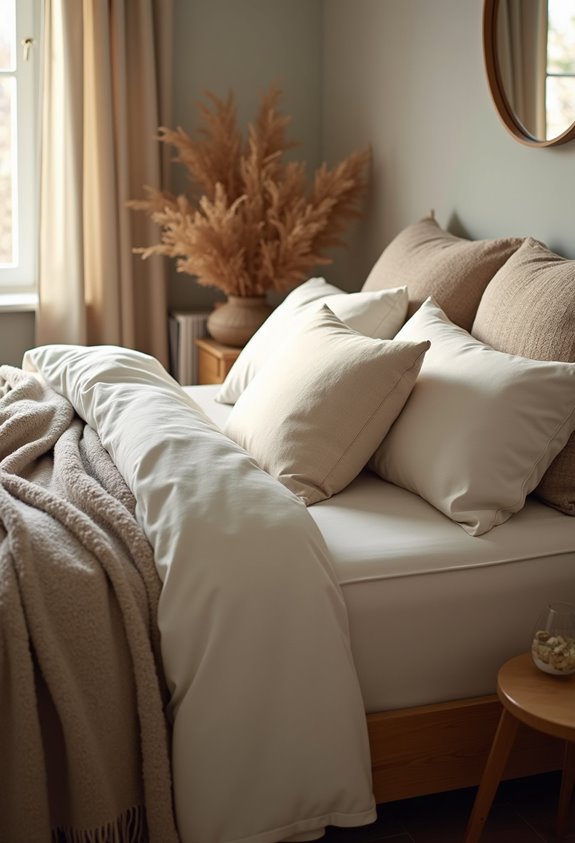
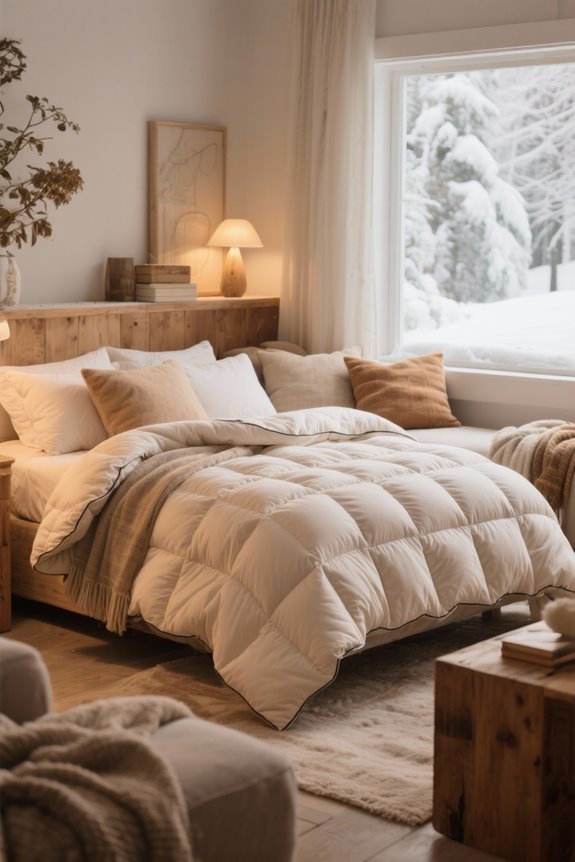

Flannel fabric is known for offering impressive warmth during the cold winter months. Its napped surface creates tiny air pockets that effectively trap body heat, enhancing flannel warmth. The brushed fibers retain warmth immediately, providing a cozy sensation upon contact. Compared to traditional cotton, flannel is thicker and woolly, making it ideal for chilly nights.
Key features include:
- Superior insulation: Flannel’s heat retention resembles fleece, ideal for very cold temperatures.
- Breathability: High-quality flannel allows air circulation, preventing overheating and moisture retention.
- Flannel softness: The plush texture improves with washing, offering increased comfort over time. Additionally, opting for OEKO-TEX certified sheets ensures a safer sleeping environment by eliminating harmful substances.
Together, these attributes position flannel as a reliable choice for anyone seeking warmth and comfort in winter bedding.
Recommended Products

Secure Fit with Built-In Corner Straps: One of the standout features of our flannel sheet set is the built-in corner straps on the fitted sheet. These elasticized straps are designed to keep the sheet securely in place, preventing it from slipping off the mattress during the night. No more waking up to adjust your sheets! The corner straps ensure a tight and secure fit on mattresses of various depths, providing a smooth and wrinkle-free sleeping surface. This thoughtful design detail enhances the overall functionality and convenience of the sheet set, allowing you to sleep peacefully without any disruptions.

PLUSH & WARM: Our premium fleece sheets enhance the comfort level of any bed. They are soft, comfortable and breathable. Even through the harshest winters you'll be convinced that you're in paradise once you slip between these fuzzy sheets. In the coldest nights, these velvet sheets will be an instant favorite for you and your family.

Secure Fit with Built-In Corner Straps: One of the standout features of our flannel sheet set is the built-in corner straps on the fitted sheet. These elasticized straps are designed to keep the sheet securely in place, preventing it from slipping off the mattress during the night. No more waking up to adjust your sheets! The corner straps ensure a tight and secure fit on mattresses of various depths, providing a smooth and wrinkle-free sleeping surface. This thoughtful design detail enhances the overall functionality and convenience of the sheet set, allowing you to sleep peacefully without any disruptions.
Sateen Fabric’s Luxurious Feel
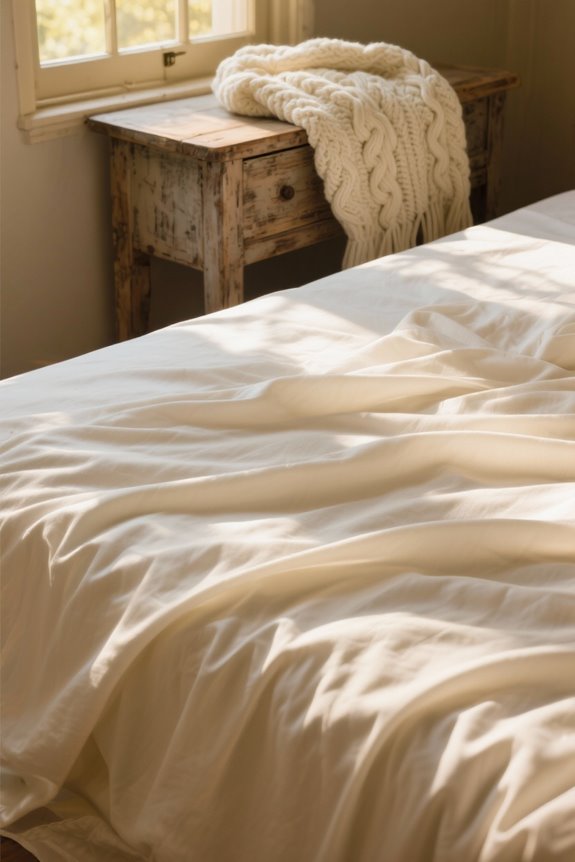
Luxury in bedding can often be found in the soft embrace of sateen fabric. Crafted from 100% cotton using a satin weave, sateen boasts a luxurious texture that is both inviting and elegant. The fabric’s distinctive sateen sheen results from its tightly woven surface, which features more floating threads. This creates a smooth, silky feel that glides over the skin.
Key characteristics of sateen include:
- Ultra-soft surface ideal for comfort
- Subtle, lustrous appearance enhancing decor
- Fluid drape that elevates bedding aesthetics
- Breathability balanced with warmth for year-round use
Sateen sheets provide durable elegance, resisting pilling and maintaining their luxurious qualities over time. With ease of care, sateen remains a preferred choice for those seeking both style and comfort in winter bedding. Additionally, many luxury bedding options, like plush comforters made from soft materials, enhance the overall sleeping experience with their cozy feel.
Benefits of Bamboo Fabric

Bamboo fabric offers numerous advantages for winter bedding, making it a wise choice for those seeking comfort and functionality.
- Temperature Regulation: Bamboo fibers adapt to ambient temperatures, providing warmth in winter without risk of clamminess.
- Moisture Management: It absorbs 40% more moisture than cotton, keeping the sleep surface dry and comfortable, essential for a cozy winter night.
- Hypoallergenic: Bamboo’s natural resistance to dust mites and bacteria supports a healthier sleeping environment, making it suitable for allergy sufferers.
Additionally, bamboo is recognized as an eco-friendly textile. It is a fast-growing, renewable resource that requires minimal resources, promoting sustainable living. Overall, the bamboo benefits make it a practical choice for winter bedding for comfort and environmental consciousness. This aligns with the preference for materials like Turkish cotton which also ensure warmth and breathability during colder months.
Merino Wool: The Natural Insulator
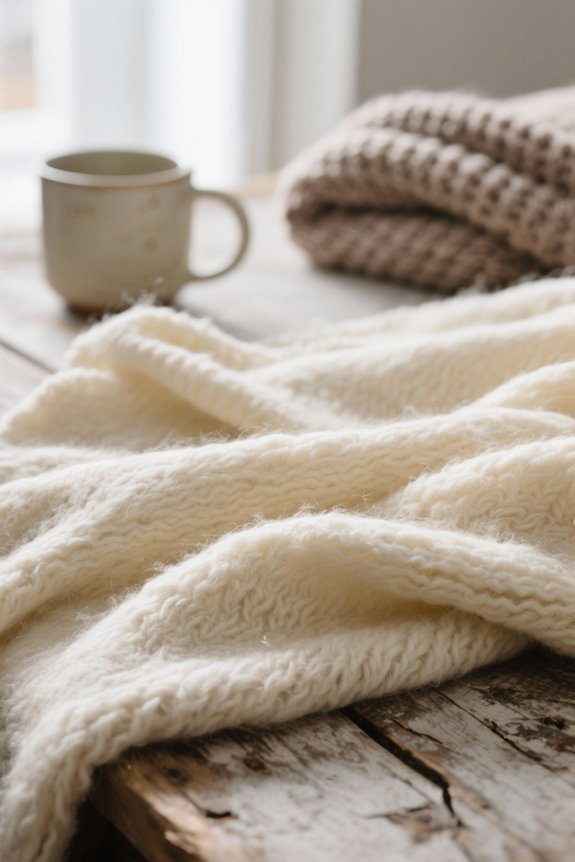
Merino wool stands out as an excellent choice for winter bedding due to its remarkable insulating properties. This natural material is derived from merino sheep, primarily bred in Australia and New Zealand.
- Insulation: The fine fibers trap air, creating an effective barrier against cold.
- Moisture Management: Merino wool can absorb moisture without feeling wet, helping to regulate body temperature and maintain comfort throughout the night.
- Durability: Its elasticity provides wrinkle resistance, ensuring longevity in bedding.
In addition to its functional advantages, merino wool also boasts sustainable properties. With no chemical additives and a long lifespan, choosing merino wool for winter bedding not only enhances comfort but also supports eco-friendly practices, aligning with today’s sustainability goals. Moreover, similar to eco-friendly materials found in some comforters, merino wool is a sustainable option that contributes to a healthier environment.
Cashmere and Specialty Fibers
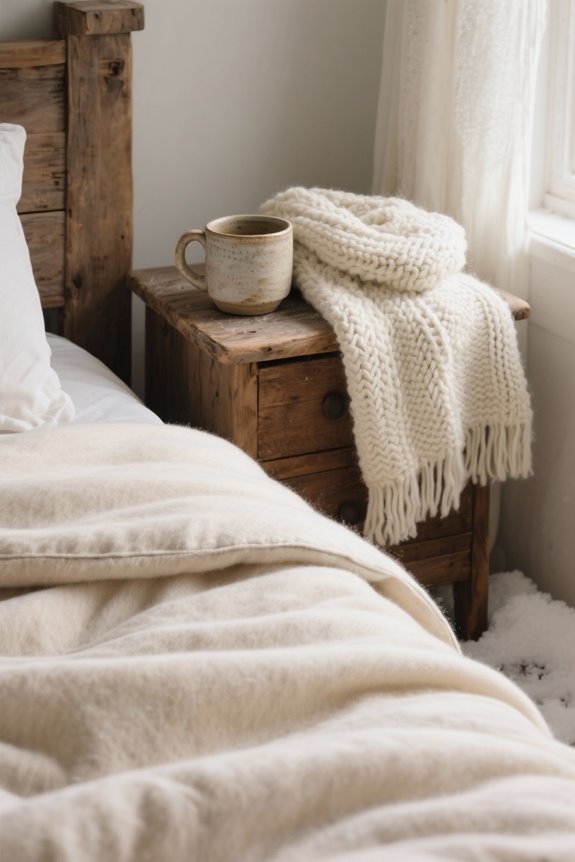
Cashmere and specialty fibers offer a unique alternative for winter bedding, following the comfort provided by merino wool. Should mention, cashmere softness adds a luxurious touch to any sleep environment.
- Cashmere insulates effectively, providing warmth without bulk.
- Its moisture-wicking properties help regulate body temperature, ensuring comfort from winter chills to summer heat.
- The fiber’s lightweight nature promotes flexibility while trapping air for ideal insulation.
- Cashmere also possesses natural antimicrobial abilities, reducing allergens and promoting cleaner sleep conditions.
- Suitable for sensitive skin, it minimizes irritation and discomfort during rest. Furthermore, selecting materials with natural antimicrobial abilities can enhance your sleep experience and comfort.
Recommended Products

Measures 50” x 73”, including 4" finely tailored fringes, weighs 470grams/ 1lb.
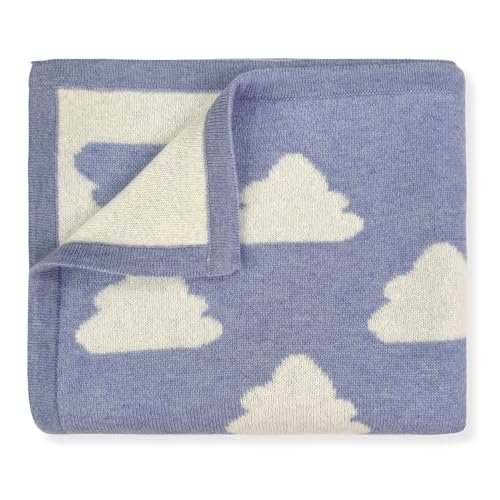
100% Cashmere: Crafted from 100% Grade A cashmere sourced from Inner Mongolia, this double-sided blanket offers a plush feel with exceptional softness and warmth for delicate skin.

COZY & LUXURIOUS: Our plush throw is perfectly suited for couch, sofa, bed decor, nursery blanket, and of course for wrapping yourself in a supreme coziness. Express your style and stay toasty warm with our versatile color options and playful fringe.
Cotton Percale for Breathability
Cotton percale stands out as an excellent choice for winter bedding due to its remarkable breathability and comfort. This fabric is made from 100% cotton fibers, utilizing long-staple varieties for enhanced comfort and durability. The tight, one-over-one-under pattern creates a crisp finish, contributing to its breathable percale qualities.
Key characteristics include:
- Excellent air circulation, allowing for moisture-wicking and cooling properties.
- Cool to the touch, making it ideal for diverse climates, and suitable for layering in winter.
- Lightweight texture helps prevent heat trapping, reducing night sweats.
While cotton percale may not offer the warmth of thicker fabrics, its breathable cotton properties provide balanced comfort for those seeking a revitalizing sleep experience throughout the winter months. Additionally, considering fill type and personal comfort preferences can significantly enhance your overall sleep quality during the colder season.
Egyptian Cotton’s Strength and Softness
When considering bedding options for winter, Egyptian cotton emerges as a prime candidate due to its unique attributes of strength and softness. This fabric features extra-long staple fibers, which enhance fiber resilience and make it highly durable. With fewer breaks, Egyptian cotton withstands wear and resists fraying over time.
Furthermore, the weaving of these long fibers results in an exceptionally smooth and silky texture, contributing to fabric luxury. As the fabric softens with each wash, it becomes increasingly comfortable. In addition, the construction of finer threads guarantees a consistent finish that feels soft against the skin.
Thus, Egyptian cotton offers an ideal blend of strength and softness, making it a worthy investment for winter bedding. Moreover, choosing fabrics with energy-efficient materials like Egyptian cotton can contribute to overall comfort during cold months.
Microfiber for Affordability and Maintenance
Microfiber presents a practical solution for those seeking affordable and low-maintenance winter bedding options. Its affordability benefits are notable, as it provides a luxurious feel at a fraction of the price of cotton or linen. Microfiber is crafted from ultra-fine synthetic fibers, making it lightweight yet warm and suitable for year-round use.
For maintenance tips, it is machine washable and dryable, requiring little effort to keep looking fresh. Its quick-drying properties reduce downtime between washes, especially convenient in winter. Additionally, microfiber resists wrinkles and staining, simplifying care routines. With proper care, it can last 2–3 years, enhancing its overall value. These characteristics collectively make microfiber an appealing choice for budget-conscious individuals searching for winter bedding. Moreover, its low maintenance aligns with the features of machine-washable heated blankets, promoting convenience during the chilly season.
Recommended Products

High material: 100% microfiber polyester, more durable, soft and cozy, skin friendly quilt sets, lightweight quilt twin size bedspread coverlet set.

Cloud-like Material: The queen comforter set is made of premium material, whether the comforter, bed sheet, or pillowcase, we all opt for upgraded premium microfiber, which is as soft as a cloud with no static electricity troubles or concerns

3 Pieces Quilt Set: The queen size quilt set includes one quilt(90"x90") and two pillow shams(20"x26")which would fit queen/ full sized bed. NOTE: choose a larger size if you want the quilt drapes to the floor.
The Comfort of High-Quality Cotton
High-quality cotton bedding stands out for its remarkable comfort and breathability, making it a popular choice for winter. The cotton benefits include natural air circulation, which prevents heat build-up and promotes comfortable sleep temperatures. This allows for warmth without overheating, greatly enhancing sleep quality.
Key features of high-quality cotton include:
- Moisture-wicking properties that keep sleepers dry, adapting to temperature fluctuations.
- Hypoallergenic qualities that reduce allergy triggers like dust mites and mold.
- Durability, with long-staple cotton fibers enhancing strength and softness, improving texture with each wash.
- Breathability, which contributes to a cleaner sleep environment, reducing interruptions during the night. Additionally, choosing ergonomic designs in bedding can further promote better sleep posture and comfort.
Investing in high-quality cotton guarantees a cozy and rejuvenating winter sleep experience.
Comparing Natural and Synthetic Options
Choosing the right bedding can greatly affect comfort levels during winter nights. When comparing natural vs synthetic options, both have distinct advantages.
- Longevity Comparison:
- Natural materials, such as feather/down and linen, can last considerably longer than synthetic fabrics. High-quality natural duvets may endure up to 30 years.
- Synthetic bedding, while often resistant to wear and tear, typically has a shorter lifespan.
- Maintenance and Care:
- Synthetic fabrics are easier to care for, as they are wrinkle-resistant and quick-drying. Natural materials require more intensive cleaning processes.
- Additionally, many certified natural options come with guarantees for their quality and ethical sourcing, which can be a deciding factor for some consumers.
Eco-conscious individuals may prefer natural options for their biodegradable qualities, whereas those seeking affordability and convenience might lean towards synthetic choices. Each option offers benefits depending on individual needs and preferences.
Recommended Products
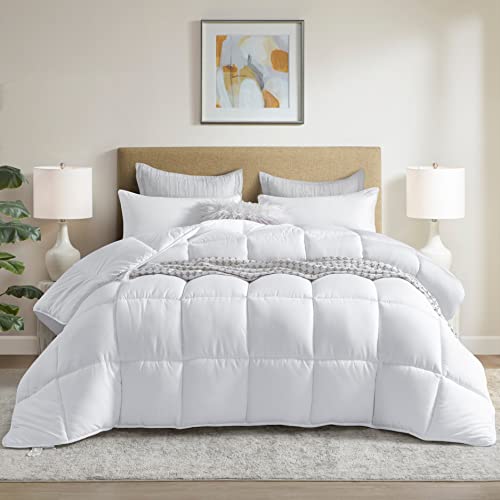
Extra Cozy Filling - With a 400gsm down alternative fill, this 90x90" extra fluffy queen size winter comforter duvet insert is an excellent and reasonable duvet insert ideal for winter and cold day usage, also for cold sleepers. This winter comforter is graceful yet still providing adequate warmth even on the coldest night. Nothing comforts one person more on a chilly night than cuddling in your bed

Queen Size Duvet Insert: Our 88" x 88" fluffy bed quilt fits standard Queen beds and duvet covers, offering full coverage and balanced, all-season warmth.

ALL-SEASON COMFORT: Named one of the "Best Comforters" by Apartment Therapy, this down alternative comforter undergoes 32+ steps for a softer touch. Featuring a GentleSoft polyester fill and a durable shell, it provides warmth in winter and breathability in summer,ideal as Gift for Her/Her
Moisture-Wicking Properties for Comfort
When the temperature drops, selecting bedding with moisture-wicking properties can greatly enhance sleep comfort. Moisture-wicking fabrics, such as bamboo and Tencel, excel in moisture management techniques. These materials effectively transfer sweat from the skin to the outer fabric layer, promoting quick evaporation. As a result, they help maintain a dry sleeping environment, which is essential during cold nights.
Key benefits of moisture-wicking bedding include:
- Enhanced sleep quality: Keeping the body dry leads to more restful sleep.
- Allergen prevention: They limit the growth of bacteria and allergens linked to damp bedding.
- Breathability: Fabrics with high airflow guarantee comfort throughout the night.
Temperature Regulation in Winter Bedding
Temperature regulation in winter bedding plays a significant role in enhancing sleep quality and comfort. Effective temperature sensitivity in bedding fabrics helps maintain an ideal sleeping environment.
- Wool excels due to its insulating properties and moisture absorption, effectively controlling humidity and retaining warmth.
- Flannel offers a soft, airy texture that traps heat while providing a comfortable microclimate.
- Cotton layers are based on thread count, with higher counts providing better heat retention.
- Silk is breathable but less insulating, making it suitable for milder conditions.
- Fleece retains heat well but may not balance temperature effectively.
Choosing fabrics that effectively regulate temperature and humidity is essential for ensuring restful winter sleep, impacting overall comfort.
Choosing the Right Fabric for Your Needs
How can one determine the best fabric for winter bedding? The choice depends largely on individual fabric characteristics and seasonal preferences. Key factors include warmth, comfort, and hypoallergenic properties.
- Flannel sheets are ideal for warmth, providing a soft, cozy feel and trapping heat effectively.
- Brushed cotton offers comfort but is less insulating than flannel.
- Bamboo fabric is versatile, maintaining warmth while being gentle on sensitive skin.
- Silk offers luxury but lacks warmth, making it suitable for those who prioritize softness over insulation.
- Microfiber is lightweight and soft, yet may not provide adequate warmth.
Understanding personal needs, such as sensitivity and desired temperature, can guide the selection of the right fabric for a comfortable winter bedding experience.
Recommended Products

CONTENTS & MEASUREMENTS- Velvet Flannel Queen sheet set includes: 1 Queen Flat Sheet 90" x 102", 1 Queen Fitted Sheet 60" x 80"+ 17", 2 Standard Pillowcases 20" x 30". Perfect for Standard sized pillows. Our premium velvet flannel bed sheets enhance the comfort level of any bed. Flat sheet can be use as a spacious blanket and enjoy the ultra-soft plush feel that keeps you warm, perfect for those chilly nights or cozy lounging days.

EDDIE BAUER HOME: Expertly crafted bedding collections inspired by outdoor adventures. Our products combine durability and comfort for versatile and functional pieces that bring the spirit of exploration into your home every day.

PLUSH & WARM: Our premium fleece sheets enhance the comfort level of any bed. They are soft, comfortable and breathable. Even through the harshest winters you'll be convinced that you're in paradise once you slip between these fuzzy sheets. In the coldest nights, these velvet sheets will be an instant favorite for you and your family.
Frequently Asked Questions
How Do I Properly Wash Winter Bedding Fabrics?
Like preparing a delicate dish, washing winter bedding requires careful cleaning techniques. Use recommended washing temperatures, separate colors, treat stains promptly, and select gentle cycles to preserve fabric integrity for cozy seasonal comfort.
Which Fabric Is Best for Sensitive Skin?
Organic materials like TENCEL™ and organic cotton are ideal for sensitive skin, offering hypoallergenic options that minimize irritation. Their breathability and softness guarantee comfort, making them suitable choices for individuals with skin sensitivities.
Can I Mix Different Fabric Types for Bedding?
Mixing different fabric types for bedding is possible, but blending textures requires careful attention to fabric compatibility. Successfully combining materials enhances comfort, yet mismatches may lead to issues like irritation or reduced breathability, impacting sleep quality.
How Do I Prevent Bedding From Pilling?
To prevent pilling, one should implement effective bedding maintenance practices, such as washing on gentle cycles, using cold water, and avoiding harsh chemicals. These pilling prevention tips considerably extend the lifespan of bedding fabrics.
What Are the Environmental Impacts of Synthetic Bedding Fabrics?
The environmental impacts of synthetic bedding fabrics include high carbon emissions, non-biodegradability, and microplastic pollution. Sustainable materials and eco-friendly alternatives can mitigate these effects, promoting a healthier planet and reducing long-term ecological harm associated with synthetic fibers.