As an Amazon Associate, we earn from qualifying purchases. Some links on this site are affiliate links at no extra cost to you. Our recommendations are based on thorough research and editorial judgment.


Winter Bedding Sizing For Maximum Warmth

Selecting winter bedding sizing is essential for maximizing warmth. Consider the duvet’s tog rating, which indicates insulation levels. A higher tog rating is advisable for colder rooms. Fill weight influences heat retention, with denser options providing better insulation. Layering techniques are beneficial; start with a mattress pad, followed by a weighted blanket, and finish with a duvet. Additionally, choose materials like wool or flannel that enhance warmth. Explore more about optimizing your winter bedding for ultimate comfort and efficiency.
Key Takeaways
- Choose a duvet size that extends beyond the mattress edges to trap more heat and reduce drafts at the sides.
- Select a duvet with a higher tog rating (12-15) for maximum insulation during extremely cold winter temperatures.
- Layer bedding with sheets, quilts, and comforters for adjustable warmth, ensuring snug fits for better heat retention.
- Ensure proper pillow size supports neck alignment while maintaining warmth; larger pillows may offer more coverage and coziness.
- Opt for materials like down or wool for duvets and mattress pads, enhancing insulation and warmth during winter nights.
Understanding Duvet Warmth Ratings
You may be interested
10 Best Down Comforters for Ultimate Cozy Comfort This Winter
December 4, 2025


Understanding duvet warmth ratings is essential for making informed bedding choices, especially as seasons change. The TOG rating, which measures thermal insulation, indicates how warm a duvet can be. Duvets range from 2.5 TOG for summer use to over 15 TOG for deep winter.
- Lightweight options (2.5–4.5 TOG) suit warm climates or summer months.
- Medium ratings (9–10.5 TOG) align well with autumn and mild winter temperatures.
- Higher ratings (12–15 TOG) are ideal for cold winter conditions.
It’s important to note that duvet thickness doesn’t always correlate directly with warmth. Instead, insulation properties and material play significant roles, meaning temperature variations must be considered along with personal comfort preferences. Additionally, selecting a comforter made from quality materials like down or sherpa fleece can significantly affect overall thermal performance.
The Importance of Fill Weight and Tog Ratings
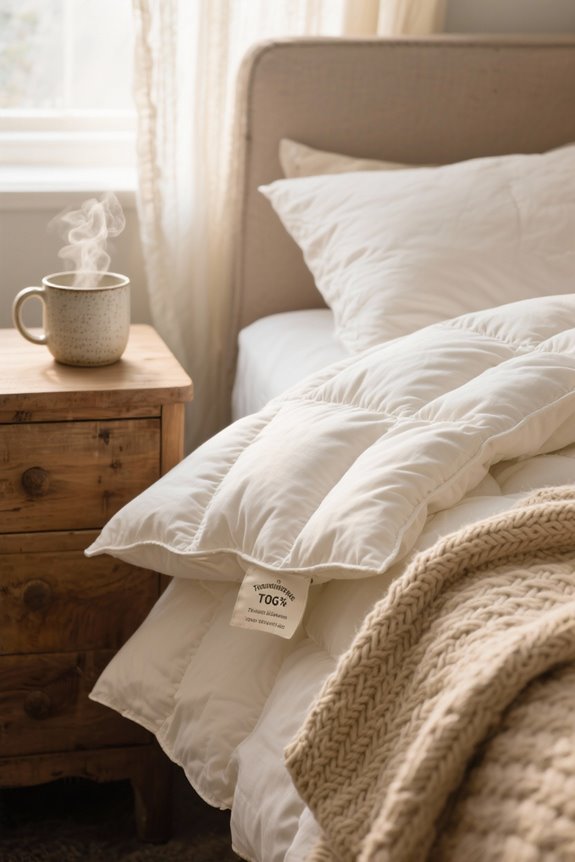
The importance of fill weight and tog ratings cannot be overstated when choosing winter bedding. Fill weight refers to the amount of filling material in a duvet, greatly affecting warmth. Higher fill weights offer better duvet insulation by trapping more air, enhancing thermal layers.
Tog ratings measure how well bedding retains warmth, with higher ratings indicating greater insulation. Generally, fill weight and tog ratings correlate, making them vital for warmth comparison. When selecting bedding choices for cold climates, consider both metrics for personal comfort. Note that material quality and loft characteristics also influence overall warmth. Thus, balancing fill weight with appropriate tog ratings is essential for achieving maximum warmth during winter nights, ensuring suitable comfort for various sleeping preferences. Additionally, choosing a duvet with higher thread count can enhance both warmth retention and breathability.
Recommended Products

UNIQUE HEAVY WEIGHT WHITE SOLID PLAIN design brings elegant style and timeless good looks. Luxury down feather comforter is soft, fluffy, warm, breathable, noiseless, medium weight for year-round comfort.
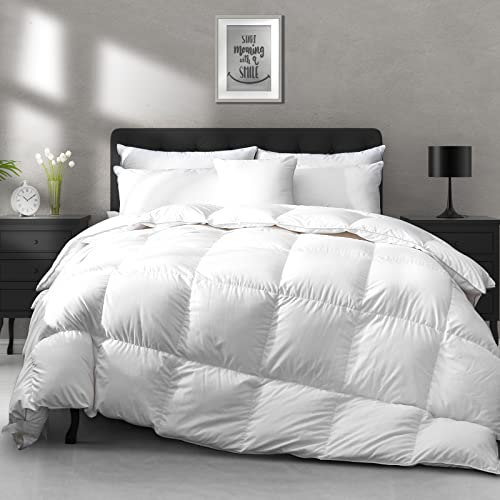
Softly Sensuous: 400 Thread count double-brushed cotton blend cover. Our hotel-style duvet insert is extra soft, plush, fluffy, and the silk touch provide you a snug night's sleep.
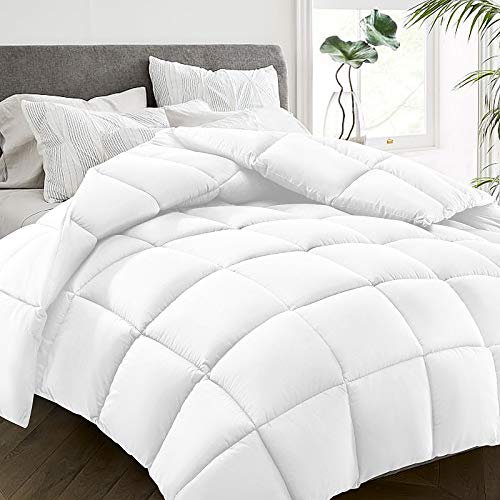
❤Peach-skin fabric surface - Extremely soft 100% brushed fiber cover made by unique peach-skin processing technology makes the comforter ultra soft & fluffy. Noise-Free and more Breathable, NO Tearing or Horrible Odor.
Selecting the Right Duvet for Your Room Temperature
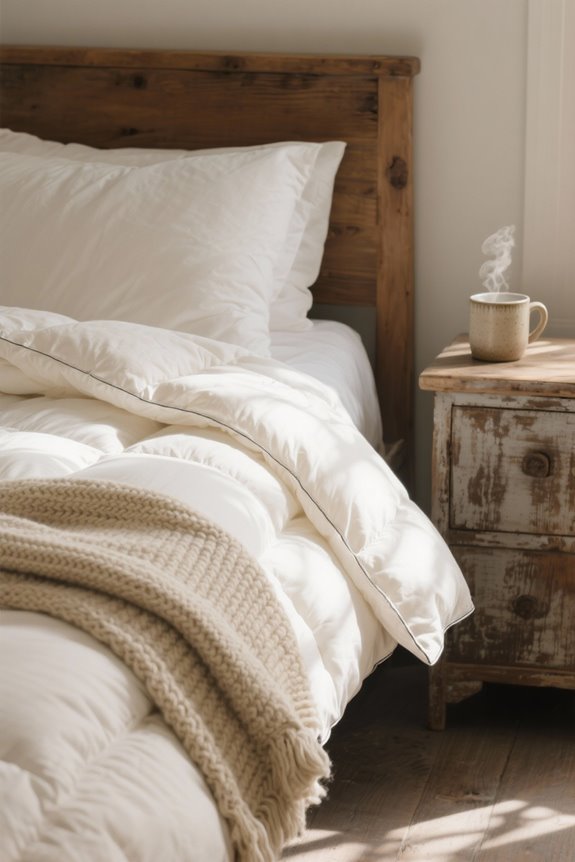
Selecting the appropriate duvet for a bedroom’s temperature is essential, as it can markedly enhance sleep quality. For temperatures around 18°C (65°F), duvets with tog ratings of 10.5 to 13.5 are suitable. In colder rooms, consider selecting a duvet with a higher tog rating, up to 15, for ideal warmth. Seasonal fabrics play a significant role in duvet construction; all-season options offer flexibility, with layers that can be adjusted for comfort. Key recommendations include: – 10.5 tog for mild cold and shifting seasons. – 13.5 tog for colder environments needing more insulation. – The right fill weight should increase warmth without adding bulk. Additionally, choosing an all-season comforter guarantees both comfort and warmth throughout winter nights.
Recommended Products

★ WHITE DUCK DOWN:Short plush thick warmth, can keep your warmth, this winter is no longer cold. 3 heavy protection, skin-friendly and smooth, no fading and no hair loss.For those who are afraid of cold, this winter is no longer cold hands and feet.

Winter-weight Feather Down Fiber Comforter - Oversized Queen size Feather Down Fiber Comforter is 98x98 inches. The heavyweight Feather Down Fiber Comforter provides optimum warmth and is perfect for colder climates/sleepers or people who keep their bedrooms under 68℉ (20℃), typically comfortable to winter and spring cold nights

CLOUD-LIKE WINTER COMFORTERS: Down comforter/duvet queen size: 90x90inch,this thick down duvet is warm for cold weather or cold sleeper.
Layering Strategies for Cozy Winter Nights
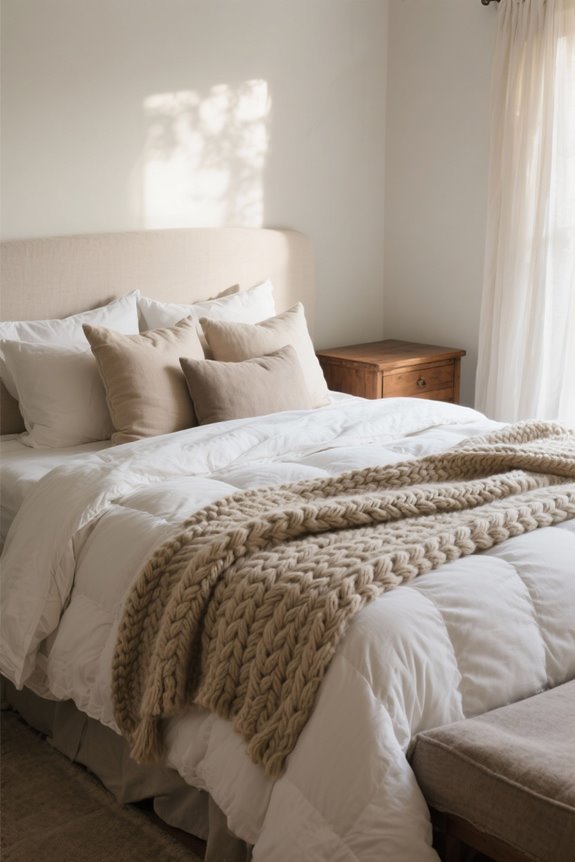
Creating a warm and comfortable sleeping environment during winter months often involves a layering approach. Effective layering techniques can markedly enhance nighttime comfort and warmth.
- Base Layer: Start with a quality mattress pad or topper to provide initial insulation.
- Middle Layer: Incorporate weighted blankets or quilts. They offer adjustable warmth and evenly distribute heat for restful sleep.
- Top Layer: Use a luxurious comforter or duvet to trap heat and add softness.
Additionally, multiple layers allow for easy temperature adjustments. For aesthetic appeal, consider dark-colored or patterned bedding that retains heat and enhances the bedroom’s inviting atmosphere. This thoughtful layering not only contributes to warmth but also creates a cozy environment, essential for a good night’s rest during the cold winter months. Investing in heavyweight duvets is particularly beneficial for optimal warmth retention, making your bedding choices even more effective during the winter season.
Bedding Materials That Enhance Thermal Efficiency
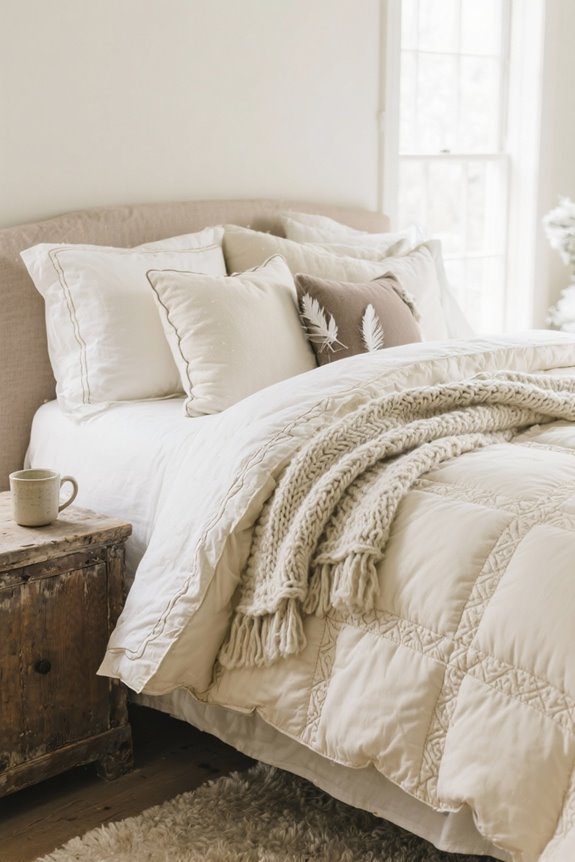
Bedding materials profoundly influence thermal efficiency, affecting comfort and sleep quality during colder months. Material comparisons reveal notable differences in performance. Natural fibers, such as wool and cotton, excel in thermal insulation. Wool, for instance, regulates body temperature and offers high thermal insulation due to its unique structure.
Flannel, whether made of cotton or wool, enhances heat retention through its brushed texture. Conversely, synthetic fibers like polyester are less breathable, potentially trapping moisture and causing discomfort. While they are easy to maintain, their thermal performance may not match that of natural options. Proper maintenance is necessary to ensure the robe’s softness and longevity.
Ultimately, understanding bedding performance helps consumers choose materials that optimize warmth and comfort during winter nights. Selecting the right material can profoundly influence overall sleep quality.
Recommended Products

Rustic Lodge Style Comforter Set – Bring cozy cabin-inspired charm to your bedroom with this Woolrich Hadley Plaid comforter set. Classic plaid in blue and taupe tones adds a warm rustic lodge feel to any space

Bring the warmth and comfort of a cabin retreat to your bedroom with the Woolrich Alton Plush to Sherpa Down Alternative Comforter Set.

WHAT IS IT: It's like a pillowcase to protect your duvet or comforter, and an affordable way to freshen the look of your bedding. Duvet insert/comforter sold separately.
The Role of Size in Bedding Warmth and Coverage
When considering winter bedding options, size plays a significant role in warmth and coverage.
- Larger bedding dimensions provide extensive coverage, reducing exposed skin and minimizing heat loss during sleep.
- Well-fitted bedding traps warm air close to the body, enhancing insulation efficiency and creating a stable microclimate.
- Oversized bedding allows for tucking under limbs, which improves heat retention, while undersized bedding can lead to drafts, lowering overall warmth.
- The correct fit balances airflow, maintaining warmth without causing overheating or cold spots.
- This ideal size helps support a steady temperature within the bedding, promoting better sleep quality. Additionally, selecting comforters with high fill power ensures optimal warmth without bulk, further contributing to a cozy sleeping environment.
Proper sizing is fundamental for a comfortable winter sleep experience, especially in colder climates where maximizing warmth is essential.
How Oversized Duvets Improve Heat Retention
Oversized duvets greatly enhance heat retention by utilizing their larger dimensions to create a more effective insulating barrier. These duvets provide extended coverage, which helps prevent cold air from seeping in.
- The extra fabric wraps better around the body, maintaining warmth even during sleep movements.
- Additionally, oversized duvets trap more still air within their folds, improving thermal regulation.
- This increased loft and volume reduce heat loss, ensuring that body warmth is retained throughout the night.
- For couples, oversized options offer individual coverage without sacrificing shared warmth.
Ultimately, choosing the right duvet dimensions can notably impact comfort and insulation, promoting restful sleep during colder months.
Recommended Products
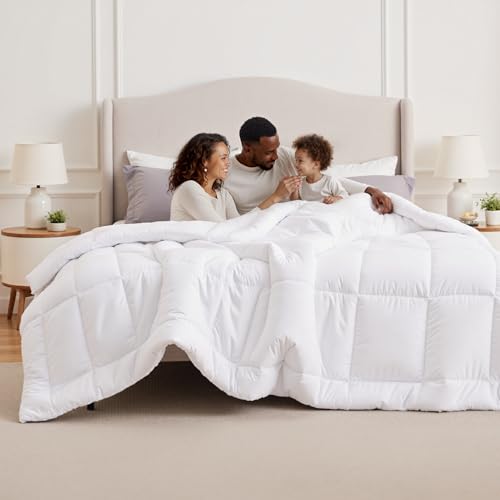
ALL-SEASON COMFORT: Named one of the "Best Comforters" by Apartment Therapy, this down alternative comforter undergoes 32+ steps for a softer touch. Featuring a GentleSoft polyester fill and a durable shell, it provides warmth in winter and breathability in summer

Dokotoo womens quilted jackets feels like a cozy blanket on your body. It keep you warm and fashion on a chilly day. You will be looking for every excuse to wear this jackets.

【Luxurious Feather Comforter】Downcool white feather comforter is crafted with a premium blend of high fluffy duck waterfowl feathers and feather fibers, offering a light and airy feel, providing the perfect balance of warmth and comfort. The luxurious hotel style bedding comforters will bring you a super cozy sleeping experience.
Choosing the Right Pillow for Warmth
Selecting an appropriate pillow for warmth is essential for achieving a comfortable night’s sleep during colder months. The choice of pillow materials impacts warmth properties considerably.
- Memory foam pillows effectively retain body heat, ideal for cold sleepers.
- Down and feather pillows provide luxurious insulation.
- Wool pillows regulate temperature and wick moisture efficiently.
- Synthetic fill pillows mimic down’s properties at a lower cost.
Moreover, consider fill types and insulation techniques. Higher loft pillows trap more air, enhancing warmth. Pairing pillows with fleece or flannel covers can also maximize heat retention. For additional warmth, electric or heated pillows may be useful. Ultimately, the right combination of pillow materials and construction techniques will greatly improve sleep comfort during winter months. Furthermore, choosing pillows with ergonomic designs can enhance overall support, making them more comfortable for extended use.
Fitted Sheets and Their Impact on Heat Preservation
Fitted sheets play a critical role in heat preservation during winter, as their design and material properties greatly influence overall warmth.
- Elasticized corners keep the sheets securely in place, minimizing bunching and creating a smoother surface.
- This taut fit reduces air gaps, enhancing insulation and limiting heat loss from the body.
Moreover, the type of fitted sheet materials greatly impacts warmth. Natural fibers like cotton and wool provide breathability and moisture-wicking capabilities, which help maintain thermal comfort. Heavier fabrics offer better insulation while reducing cold drafts. Additionally, choosing sheets with a high thread count can further improve heat retention and overall comfort.
Recommended Products

Cloud-like Material: The queen comforter set is made of premium material, whether the comforter, bed sheet, or pillowcase, we all opt for upgraded premium microfiber, which is as soft as a cloud with no static electricity troubles or concerns

Secure Fit with Built-In Corner Straps: One of the standout features of our flannel sheet set is the built-in corner straps on the fitted sheet. These elasticized straps are designed to keep the sheet securely in place, preventing it from slipping off the mattress during the night. No more waking up to adjust your sheets! The corner straps ensure a tight and secure fit on mattresses of various depths, providing a smooth and wrinkle-free sleeping surface. This thoughtful design detail enhances the overall functionality and convenience of the sheet set, allowing you to sleep peacefully without any disruptions.

FABRIC: Crafted from 100% organic cotton. The soft jersey fabric is breathable and great for all seasons from fall/winter to spring/summer.
Assessing Your Home Heating Efficiency
An effective home heating system is crucial for comfort during colder months. Homeowners should assess their heating efficiency to reduce energy costs and enhance warmth. The following methods can help identify areas needing improvement:
- Professional tools: Using the DOE’s Home Energy Score can reveal a home’s energy performance.
- Blower door tests: These measure air leakage, highlighting important drafts affecting heat loss.
- Thermographic inspections: Infrared imaging detects insulation problems, ensuring energy retention through walls, ceilings, and windows. Additionally, incorporating energy-efficient systems can further contribute to an effective heating strategy.
Home insulation plays a key role in this process. Improving insulation, sealing window drafts, and ensuring HVAC systems function efficiently can greatly enhance overall comfort and lower energy bills. Regular assessments can guide necessary upgrades for a more efficient home heating experience.
Personal Sleep Preferences and Their Influence on Duvet Choice
Personal sleep preferences greatly impact duvet choice, influencing overall comfort and sleep quality. Different sleep positions, such as side, back, and stomach sleeping, require varying duvet thickness.
- Side sleepers benefit from loftier, warmer duvets to alleviate pressure points.
- Back sleepers may opt for lighter duvets to avoid overheating.
- Stomach sleepers often prefer thinner, more breathable duvet materials to maintain comfort.
Additionally, individual movement during sleep can affect duvet preferences. For restless sleepers, lighter and more flexible duvets allow easier adjustments throughout the night.
Duvet materials also play a significant role in thermal comfort. Goose down provides warmth, while cotton and linen enhance breathability, prompting choices that cater to personal sleep preferences efficiently. Furthermore, selecting a duvet with ergonomic designs can improve overall sleep quality by promoting proper spinal alignment during rest.
Seasonal Climate Considerations for Winter Bedding
Seasonally, climate considerations play a crucial role in selecting the right bedding for winter. Different regions demand specific characteristics in seasonal bedding to guarantee comfort and warmth.
- Cold Climates: Materials like flannel, wool, and fleece offer superior insulation, making them ideal for frigid temperatures.
- Variable Temperatures: Duvet covers and layering options allow for adjustments as temperatures fluctuate, ensuring warmth is optimized.
- Humidity Considerations: Moisture-wicking mattress pads help maintain dryness, enhancing overall comfort during winter months.
Selecting bedding that aligns with these climate adaptations can maximize thermal efficiency while maintaining a comfortable sleeping environment. Understanding one’s unique climate conditions and adjusting bedding materials accordingly is crucial for an effective winter sleep experience.
The Effect of Sleepwear on Sleep Comfort
Sleepwear plays a significant role in influencing overall sleep comfort, particularly during colder months. Selecting appropriate sleepwear fabrics can enhance thermal regulation and moisture management.
- Breathable Options: Fabrics like cotton and wool are loose-fitting, allowing skin to breathe while maintaining warmth.
- Wool Benefits: Wool sleepwear reduces sleep onset latency, offering significant advantages over materials such as cotton or polyester.
The psychological effects of sleepwear are equally important. Comfortable sleepwear promotes relaxation, positively influencing mood and cognitive well-being. Additionally, proper sleepwear design can minimize sleep fragmentation and enhance REM sleep quality.
Investing in the right sleepwear can improve overall sleep quality, proving crucial for restorative rest and mental health. Therefore, choosing effective sleepwear fabrics is essential for ideal sleep comfort.
Adjustability Through Layering for Optimal Thermal Regulation
Adjustability through layering is a key strategy for achieving ideal thermal regulation during sleep. By employing effective layering techniques, individuals can customize their bedding combinations to meet changing temperatures.
- Layering provides multiple insulating barriers, capturing heat close to the body, ensuring warmth throughout the night.
- Using various blankets of different weights allows for easy adjustments based on room temperature or personal comfort levels.
- Breathable materials, such as cotton and bamboo, enhance moisture control, preventing overheating and discomfort.
- Starting with an insulated mattress pad further reduces heat loss from below.
These strategies not only maintain a stable thermal environment but also improve overall sleep quality, allowing for a more comfortable and restful night.
Frequently Asked Questions
How Can I Measure the Warmth of My Current Duvet?
To measure duvet warmth, one should check the tog rating for an initial warmth assessment, consider fill weight and fill power, and evaluate loft for insights into insulation efficiency and overall warmth quality.
What Is the Best Fabric for Duvet Covers in Winter?
When it comes to choosing fabrics, flannel fabrics and cotton blends are among the best options. They combine warmth and breathability, ensuring cozy comfort throughout winter—perfect for keeping the chill at bay.
Are There Eco-Friendly Options for Winter Bedding Materials?
Eco-friendly winter bedding options include sustainable materials such as organic cotton, which offers breathability and moisture-wicking properties. Other alternatives like wool and bamboo also provide warmth while adhering to environmentally responsible practices.
How Often Should I Wash My Winter Bedding?
Bedding care during winter requires frequent washing, ideally every 1-2 weeks for sheets and pillowcases. Seasonal maintenance suggests washing comforters and duvet covers every 2-6 months, depending on usage, to guarantee hygiene and freshness.
Can Changing Pillow Types Affect Overall Warmth During Winter?
Changing pillow types absolutely transforms winter warmth! With enhanced pillow insulation, sleep quality skyrockets as down or wool pillows cradle the head, ensuring a cozy haven, while lesser options betray comfort, chilling the night.