As an Amazon Associate, we earn from qualifying purchases. Some links on this site are affiliate links at no extra cost to you. Our recommendations are based on thorough research and editorial judgment.


Blankets For Sensitive Skin: How To Choose

Choosing blankets for sensitive skin involves careful selection of materials, weaves, and maintenance. Opt for natural fibers like organic cotton, bamboo, or silk, which are soft and breathable. Consider looser weaves for better airflow, and a moderate thread count guarantees comfort. Look for hypoallergenic fabrics certified safe from irritants. Regularly wash with mild detergents to remove allergens. Sustainability also matters—choose eco-friendly options like Tencel or linen. There is more to explore regarding features that can enhance comfort.
Key Takeaways
- Choose blankets made from natural fibers like organic cotton, bamboo, or silk for softness and breathability on sensitive skin.
- Look for hypoallergenic and non-toxic materials that resist dust mites and bacteria to minimize irritation.
- Opt for moderate thread counts (200-400) with looser weaves to ensure airflow and comfort without trapping moisture.
- Check for eco-friendly certifications like OEKO-TEX® and GOTS to ensure responsible sourcing and processing of the fabrics.
- Maintain blankets by washing regularly with mild, dye-free detergents and air drying to preserve their quality and minimize allergens.
Material Types Ideal for Sensitive Skin
You may be interested

10 Best Chunky Knit Blankets to Keep You Cozy All Year Round
October 21, 2025
10 Best Cordless Heated Throws to Keep You Cozy Anywhere
October 21, 2025
10 Best Decorative Throw Blankets to Elevate Your Home Decor
October 21, 2025
Choosing the right material for blankets is essential, particularly for those with sensitive skin. Natural fibers like organic cotton and linen are often the best choices due to their softness and breathability.
- Silk characteristics: Known for its ultra-smooth texture, silk can minimize friction, reducing skin irritation for conditions such as eczema or rosacea.
- Bamboo fabric benefits: Another excellent option, bamboo fabric is naturally antimicrobial, helping to regulate moisture and temperature, which is beneficial for sweaty or acne-prone skin. Additionally, soft fleece material is another great choice for creating cozy blankets that provide comfort without irritation.
Recommended Products

Fine Herringbone: Give your space an air of timeless elegance by incorporating this fine herringbone weave blanket, which seamlessly blends with any home decor.

SOFT & SKIN-FRIENDLY: Made from 100% cotton muslin, this cotton muslin blanket is certified by OEKO-TEX Standard 100, ensuring a soft blanket that’s gentle on skin and free from harmful substances. Gets softer with every wash—ideal as a cotton blanket for everyday use

QUALITY MATERIAL: Our muslin blankets for adults are made of FOUR-layer yarn textile process. Hypoallergenic, super soft and lightweight, prevent skin irritation for your sensitive skin. Perfect Gift for birthdays, housewarming, Mother's Day and other.
Understanding Fabric Weave and Thread Count
Understanding Fabric Weave and Thread Count****
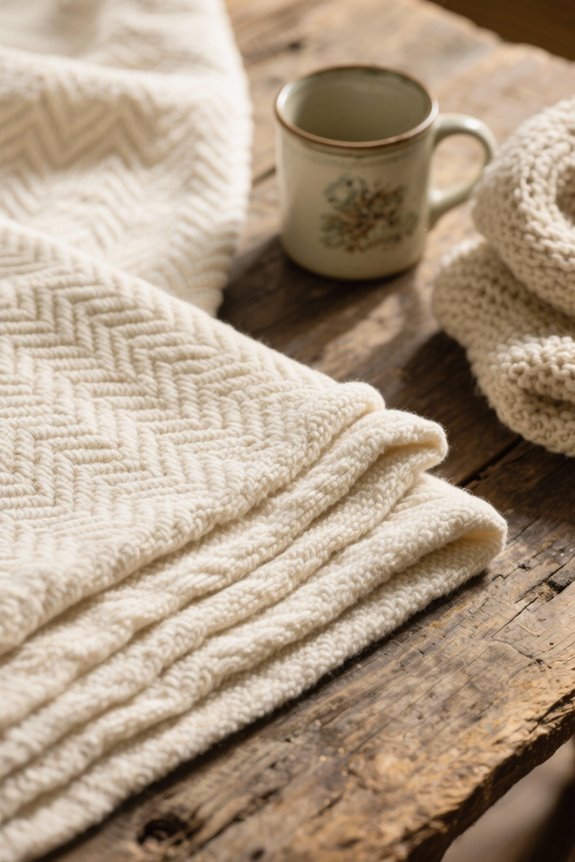
Fabric weave and thread count play essential roles in determining the comfort and suitability of blankets for those with sensitive skin. Understanding fabric characteristics helps consumers make informed choices.
- Weave Types: Options include plain, twill, and satin, each offering different textures and durability.
- Breathability: Looser weaves enhance airflow, beneficial for sensitive skin by preventing moisture buildup.
- Allergen Resistance: Tightly woven fabrics resist allergens, reducing exposure to irritants.
Thread count also affects comfort:
- Definition: Thread count refers to the number of threads per square inch.
- Breathability and Comfort: A moderate thread count (200-400) provides softness without sacrificing breathability.
- Durability Impact: Higher thread counts often increase a fabric’s longevity. Additionally, selecting blankets with effective safety features can enhance comfort for sensitive skin by ensuring no harmful chemicals are present in the fabric.
Recommended Products
Fine Herringbone: Give your space an air of timeless elegance by incorporating this fine herringbone weave blanket, which seamlessly blends with any home decor.
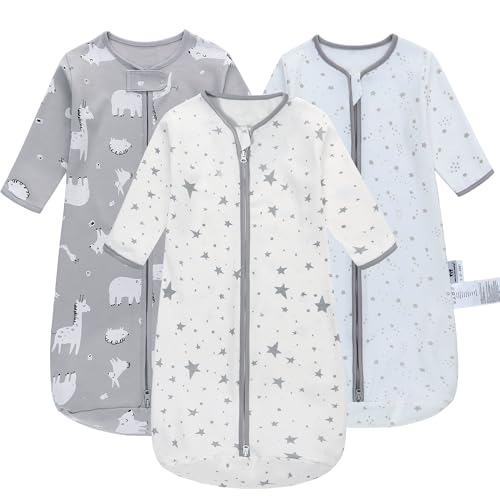
Breathable & Comfortable - Made with 100% breathable cotton, this long-sleeve baby sleep sack is soft, cozy, and gentle on your baby’s sensitive skin.
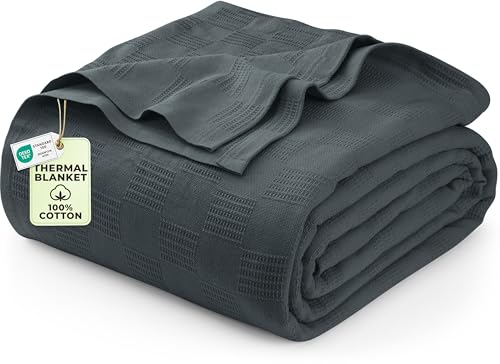
Dobby Weave – An elegantly designed blanket that is tightly woven to hold all fibers together. It is flexibly constructed with a dobby weave technique and waffle square patterns, ensuring a soft and classy texture. The blanket is oversized as compared to normal ones as it accommodates the natural shrinkage of cotton overtime
Choosing Hypoallergenic and Non-Toxic Options
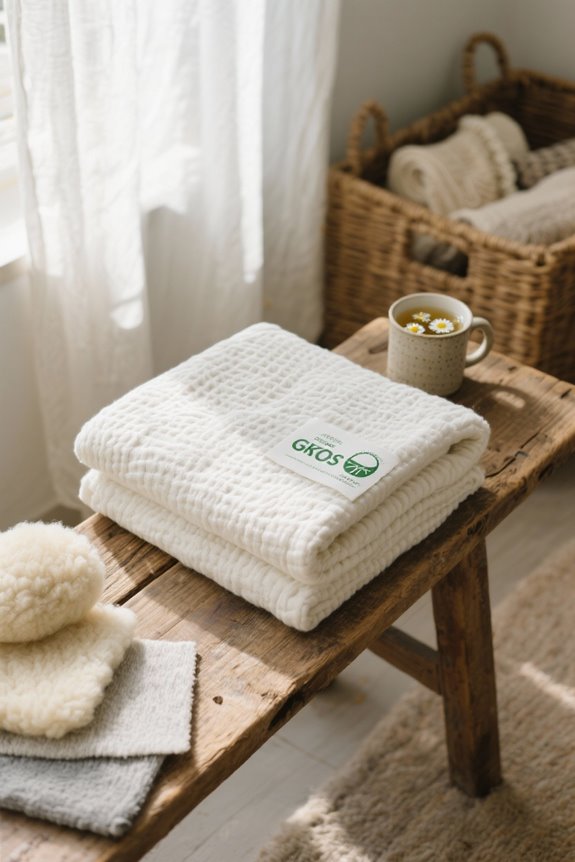
Selecting the right blankets for sensitive skin involves not only considering the fabric weave and thread count but also prioritizing hypoallergenic and non-toxic options. To minimize allergen exposure, individuals should focus on materials like bamboo, silk, Tencel, organic cotton, and linen. These fabrics are naturally resistant to dust mites and bacteria, offering a safer experience for sensitive skin. Additionally, it is beneficial to consider blankets made from hypoallergenic materials that provide comfort and ease of maintenance, as they can help alleviate allergy sensitivities. When shopping, look for significant textile certifications such as OEKO-TEX®, GOTS, or Asthma and Allergy Friendly®. These certifications guarantee that products are tested for harmful substances and allergen resistance. Avoid materials with harsh chemical treatments or synthetic blends, as these can increase the risk of skin irritation. Choosing certified, natural materials is essential for maintaining skin health.
Recommended Products
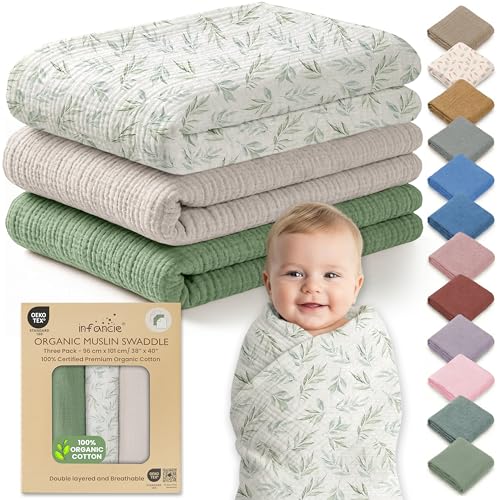
𝗢𝗿𝗴𝗮𝗻𝗶𝗰 𝗖𝗼𝘁𝘁𝗼𝗻, 𝗢𝗲𝗸𝗼-𝗧𝗲𝘅 𝗖𝗲𝗿𝘁𝗶𝗳𝗶𝗲𝗱 𝗦𝗼𝗳𝘁: These 100% organic cotton muslin blankets are OEKO-TEX STANDARD 100 certified and hypoallergenic. Ultra-breathable and lightweight, they regulate temperature naturally for every season.

100% GOTS Certified Organic Cotton Fibers: This organic cotton baby blanket surrounds your little one in breathable, naturally soft safety that helps reduce irritation on sensitive skin while giving modern parents peace of mind about every cozy snuggle.

𝗢𝗿𝗴𝗮𝗻𝗶𝗰 𝗖𝗼𝘁𝘁𝗼𝗻, 𝗢𝗲𝗸𝗼-𝗧𝗲𝘅 𝗖𝗲𝗿𝘁𝗶𝗳𝗶𝗲𝗱 𝗦𝗼𝗳𝘁: These 100% organic cotton muslin blankets are OEKO-TEX STANDARD 100 certified and hypoallergenic, free from harmful chemicals and tested safe for newborn skin Ultra-breathable and lightweight, they regulate temperature naturally for every season.
Care and Maintenance for Longevity
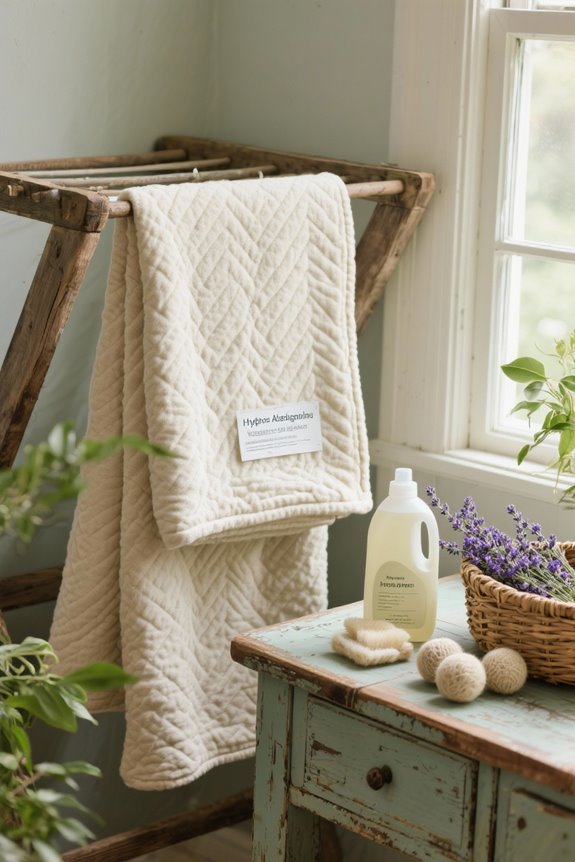
When caring for blankets designed for sensitive skin, proper maintenance is essential to secure their longevity and effectiveness. Regular washing should occur every 1-2 weeks to remove allergens and dirt. Use mild detergents free from dyes and fragrances; consider homemade options like baking soda and Castille soap. For stain removal, address spills immediately to prevent setting.
Follow appropriate washing techniques, such as hand washing delicate fabrics and using cold water to prevent damage. Avoid fabric softeners as they leave unwanted residues. Drying is best done air drying; if using a dryer, select low heat settings. Store blankets in cool, dry areas to prevent moisture. Adhering to these practices secures blankets remain effective and comfortable over time. Additionally, consider using flickering LED candles to create a cozy atmosphere that complements your sensitive skin care space.
Recommended Products

【Package Conetent】The laundry soap sheets detergent tablets box contains 300 small loads=150 large loads=150sheets. They are precut and pre-measured to avoid overused. Measuring cups are no longer needed. (Tip: If your clothes are very dirty, please soak the clothes with sheets for 15-30 minutes before washing them. )

One 105 fl oz bottle of ARM & HAMMER Sensitive Skin Free & Clear Liquid Laundry Detergent, Free and Clear Detergent that cleans 105 medium loads when used as directed

One 140 fl oz bottle of ARM & HAMMER Sensitive Skin Free & Clear Liquid Laundry Detergent, Free and Clear Detergent that cleans 140 medium loads when used as directed
Environmental and Sustainability Factors
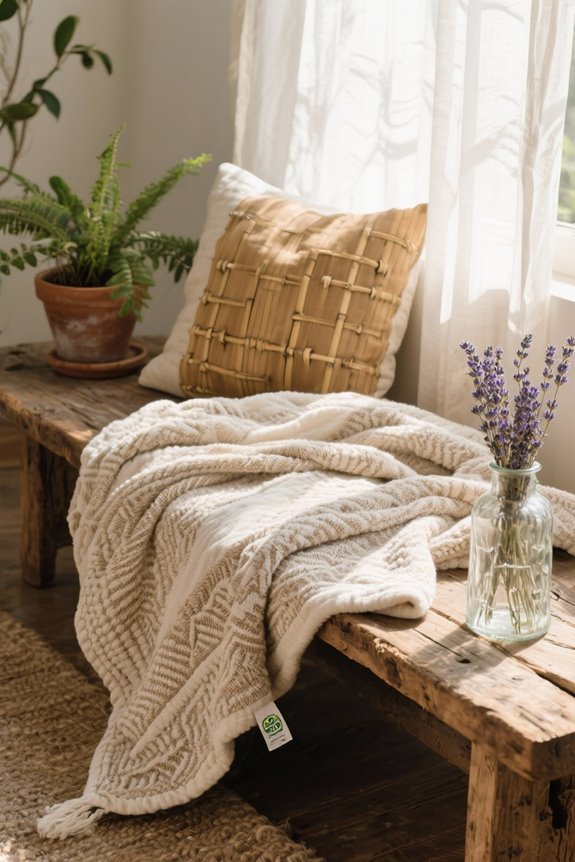
The choice of materials greatly affects bedding’s environmental impact and sustainability. For those aiming for eco-friendly options, several materials stand out, such as:
- Bamboo: This is sustainable, requiring little water and no pesticides.
- Organic Cotton: Grown without synthetic fertilizers, it offers a biodegradable choice.
- Linen: Made from flax, it is durable and often needs fewer chemical treatments.
- Tencel: Created through a closed-loop process, it minimizes waste.
To guarantee responsible choices, consumers should look for eco-friendly certifications, such as GOTS for organic materials, OEKO-TEX for safety against harmful substances, and Fair Trade for ethical practices. Emphasizing sustainable sourcing helps reduce waste while promoting a healthier planet. Additionally, selecting materials that prioritize breathable fabrics can enhance comfort and reduce skin irritation for those with sensitive skin.
Recommended Products

PREMIUM 100% COTTON CONSTRUCTION: Crafted with 4-layer breathable cotton fibers in pure natural structure, premium cotton that delivers a baby-soft Class A texture,our boho throw blanket ensures superior softness & temperature regulation. Available in 4 decor-friendly sizes:A: 50"x60" (1.4lb) |A: 60"x80" (2.2lb) | B: 80"x90" (3.3lb) | C: 91"x98" (4lb) - perfect for beds, couch, bedspread, or chair

Organic Cotton: Crafted from organic cotton fibers, meeting the highest standards for purity and responsible production. Naturally breathable and gentle against delicate newborn skin.

100% GOTS Certified Organic Cotton: From organic fields to your home—this soft blanket is made with 100% certified organic cotton, naturally pure, free from GMOs, formaldehyde, and harmful chemicals. Certified by GOTS (Scope Certificate No. GOTS-BVUS0552) and OEKO-TEX Standard 100 (11-76004), it's breathable and gentle enough for kids, adults, and women
Frequently Asked Questions
Can I Use Fabric Softeners on Blankets for Sensitive Skin?
Using fabric softeners on blankets for sensitive skin is inadvisable. Instead, individuals should consider hypoallergenic options and fabric softener alternatives like vinegar to prevent irritation and maintain comfort without risking skin reactions.
What Are the Best Blanket Sizes for Sensitive Skin Comfort?
The best blanket sizes for sensitive skin comfort include queen and king for beds, with throw sizes ideal for snuggling. Proper blanket care tips enhance longevity while selecting soft, breathable blanket fabric types guarantees maximum comfort.
How Often Should I Replace Blankets for Sensitive Skin?
Blankets should be replaced every one to two years, depending on their materials. Frequent usage can lead to skin reactions from allergens, bacteria, and accumulated dirt, necessitating timely replacement for ideal skin health and comfort.
Are Weighted Blankets Suitable for Sensitive Skin?
A gentle rain, soothing yet heavy, symbolizes the comfort of weighted blankets. While they offer benefits for anxiety and sleep, sensitive skin requires careful selection of breathable, hypoallergenic fabric options to avoid irritation.
Can I Use Scented Detergents for Sensitive Skin Blankets?
Using scented detergents for sensitive skin blankets is not advisable due to fragrance sensitivities and potential allergic reactions. Adopting carefully curated laundry practices with fragrance-free options enhances comfort and minimizes risks associated with irritating chemicals.