As an Amazon Associate, we earn from qualifying purchases. Some links on this site are affiliate links at no extra cost to you. Our recommendations are based on thorough research and editorial judgment.


Candle Wax Types And Benefits

Candle wax types each have unique benefits.
- Paraffin Wax: Affordable, strong scent throw, but raises sustainability concerns.
- Soy Wax: Renewable, burns longer, and produces minimal soot for better air quality.
- Beeswax: Natural, clean-burning, and can improve air quality.
- Palm Wax: Sustainable with visual appeal and clean burn.
- Coconut Wax: Renewable, longer burning, and non-toxic.
- Rapeseed Wax: Supports local agriculture with excellent fragrance retention and clean emissions.
You may be interested
Best Candle Scents For Cozy Winter Nights
November 29, 2025

Candle Holders: Safety And Style Guide
November 29, 2025

Candle Safety Around Pets: Tips
November 29, 2025
For more insights on these wax types, keep exploring.
Key Takeaways
- Paraffin wax offers affordability and strong scent throw, but raises sustainability concerns due to its non-renewable nature.
- Soy wax is a renewable option that burns longer, produces minimal soot, and enhances indoor air quality.
- Beeswax burns cleanly, lasts significantly longer, and releases negative ions that purify the air, making it safe for allergy sufferers.
- Palm wax, derived from sustainable sources, features unique crystalline patterns and ensures a clean burn without soot.
- Coconut wax is non-toxic, biodegradable, and provides longer burn times with enhanced scent throw, ideal for environmentally-conscious consumers.
Paraffin Wax
Paraffin Wax
Paraffin wax, a widely used material in candle making, originates from petroleum as a byproduct during crude oil refining. It demonstrates several paraffin properties. Typically, it is colorless, odorless, and has a white, waxy appearance. Its melting point ranges from 46°C to 68°C, making it solid at room temperature.
Paraffin wax is affordable and produces a strong scent throw in candles. Additionally, it is easy to mold and retains color well. However, paraffin sustainability is a growing concern. Being a non-renewable resource, its environmental impact is under scrutiny. Furthermore, proper wick management is essential to prevent soot formation and maintain indoor air quality. Ultimately, understanding these aspects helps potential candle makers make informed choices, especially when considering non-toxic options like 100% soy wax.
Recommended Products

Paraffin Wax For Candle Making: Paraffin wax beads, derived from petroleum, offer a moderate melting point for easy candle crafting. Ideal for various candle types like pillars, votives, tapers, and scented candles. Customize with fragrances or leave unscented. Perfect for beginners and DIY enthusiasts seeking smooth, consistent results

COVENIENCE: Ships in easy-to-use pastille form. This candle wax for candle making is perfect for creating different finishes to your candles: mottling, rustic, or smooth looks. You can find tutorials on our listings to get started!

Versatility: Ships in small slabs for your convenience; Depending on how you use it, you can have different types of finishes to your candles, for example: mottling, rustic, or smooth looks; Please refer to our instruction videos to learn how to make more! THIS WAX IS NOT FOR SPA USES BECAUSE OF ITS HIGHER MELTPOINT
Soy Wax

Soy wax represents a popular alternative to paraffin wax in the candle-making industry. It is derived from soybean oil, making it a renewable resource. This means that soy wax supports sustainable agriculture and has a considerably lower environmental impact compared to petroleum-based options.
Key benefits of soy wax include:
- Clean burning: Soy candles produce minimal soot, improving indoor air quality and reducing harmful toxins released into the home.
- Longer burn time: Typically, soy candles last up to 50% longer than traditional paraffin candles, offering better value for money.
- Fragrance retention: Soy wax effectively retains and releases fragrances, ensuring a pleasant scent experience. Moreover, soy candles are often praised for their eco-friendly packaging that emphasizes recyclability and minimal waste.
Recommended Products
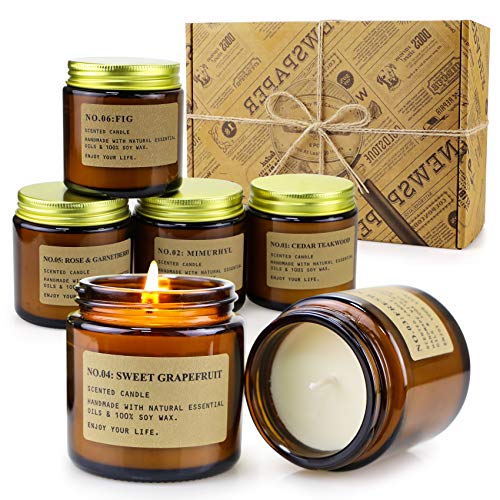
6 pack 3.5 oz amber jar candles in a vintage gift box, MIMURHYL, FRESH ROSE, CEDAR TEAKWOOD, SWEET GRAPEFRUIT, ROSE&GARNETBERRY, and FIG.

Natural Fragrance:Enjoy the luxurious aroma of natural vanilla and fresh coconut fragrance, each light is a wonderful escape from the everyday hustle and bustle. Immerse yourself in an island vacation with this scented candle.

100% Natural Soy Wax: Tea candles crafted from natural non-toxic soy wax for a cleaner and healthier burn free from soot and harmful toxins, creating a safer environment for your family and pets during any dinner or gathering
Beeswax
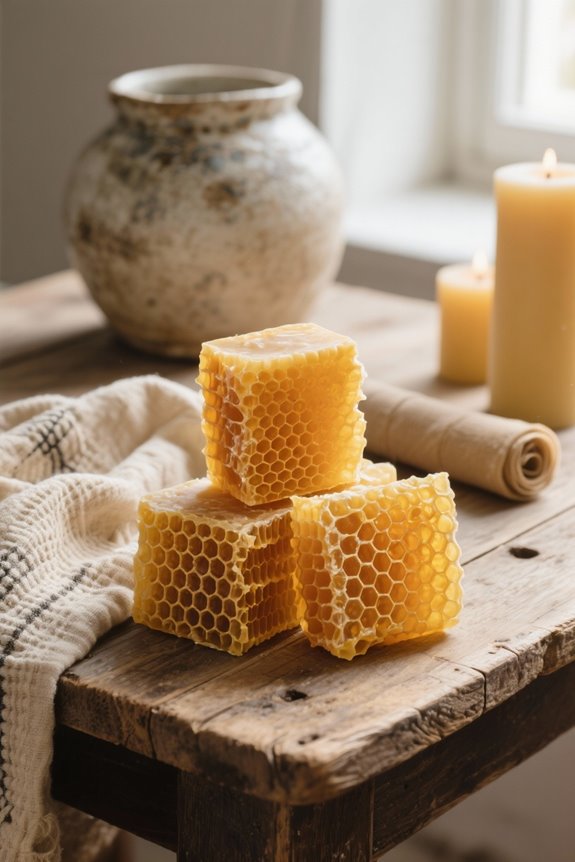
Beeswax, a natural substance produced by honeybees, stands out for its unique properties and benefits in candle making. Its natural properties include a high melting point, resulting in longer burn times—often up to three times that of other types. This type of wax burns cleanly with minimal soot, enhancing indoor air quality.
The health benefits of beeswax are remarkable; it releases negative ions that bind with airborne pollutants, helping to purify the air. Additionally, beeswax candles are free from synthetic additives, making them safer for individuals with allergies or asthma. They provide a calming atmosphere, which may contribute to better sleep. Overall, beeswax is a sustainable option that supports both health and environmental well-being. Moreover, many beeswax candles are designed to be dripless and smokeless, ensuring a mess-free experience while maintaining a clean burn.
Recommended Products

Pure Beeswax Taper Candlesticks: beeswax taper wax candles are made of 100% natural organic beeswax,which has been quadruple-filtered without pollens impurities.The wicks are made of 100% cotton,This premium yellow bees wax candle burns clean,natural beeswax scent,releases negative ions,Beeswax candles are good for your health,The natural scent and color can create a comfortable,relaxing and warm atmosphere for any occasion

🐝🏠️ Natural Beeswax Candles for Home Decor: For homeowners seeking a natural and wholesome way to light up their living spaces, beeswax candles are an ideal choice. Crafted from pure beeswax, these pillar candles are known for their long burning time and beautiful, warm glow. Unlike paraffin candles, beeswax candles release negative ions when burned, which actually purify the air by neutralizing pollutants and odors. This means that not only do they provide a soft, comforting light, but also contribute to a healthier indoor environment.
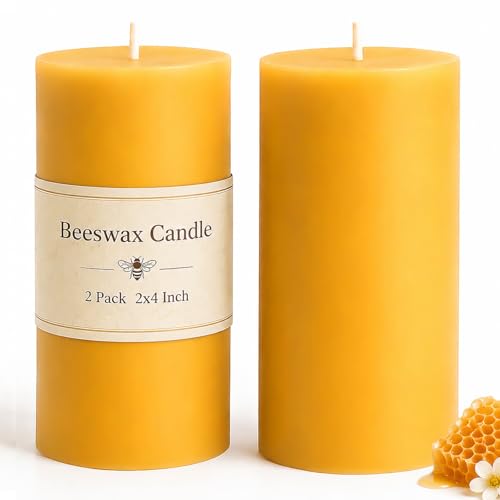
🐝🏠️【BEESWAX CANDLES FOR HOME DECO】For homeowners seeking a natural and wholesome way to light up their living spaces, beeswax candles are an ideal choice. Crafted from pure beeswax, these pillar candles are known for their long burning time and beautiful, warm glow. Unlike paraffin candles, beeswax candles release negative ions when burned, which actually purify the air. This means that not only do they provide a soft, comforting light, but also contribute to a healthier indoor environment.
Palm Wax

Palm wax emerges as a popular choice in candle making, recognized for its unique properties and environmental benefits. Sourced from the oil palm tree, it is a renewable resource that supports sustainable sourcing practices. Its production involves harvesting palm fruits and refining the oil into wax.
Key features of palm wax include:
- High melting point: Ranges between 130°F to 145°F, making it ideal for hot climates.
- Unique aesthetics: Displays a distinctive crystalline pattern, which adds visual appeal to candles.
- Burn performance: Offers a slow, clean burn without soot, enhancing indoor air quality. Additionally, utilizing certified sustainable palm wax aligns with environmental impact considerations, promoting eco-friendly choices that help reduce the carbon footprint associated with traditional petroleum-based waxes.
Utilizing certified sustainable palm wax, such as MSPO, promotes eco-friendly choices, helping reduce the carbon footprint associated with traditional petroleum-based waxes.
Recommended Products
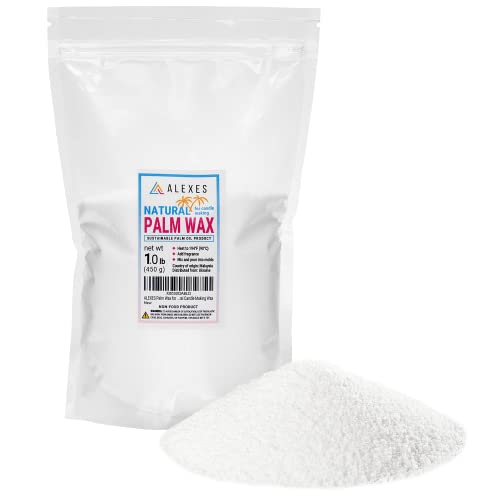
PALM WAX FOR CRAFTS: these palm wax pellets can be safely used in candle making, giving your candles beautiful frosty patterns

Natural: Our soy wax flakes contain 100% soy wax, using the plant soybeans naturally found in the environment, burning without producing black smoke and strange taste, and without making the air cloudy

Plant-Based, Natural Candles - Our tea light candles burn clean because they don’t contain paraffin. Crafted with non-GMO palm wax and pure cotton wicks, these unscented candles don't contain phthalates, fragrances, or chemicals.
Coconut Wax
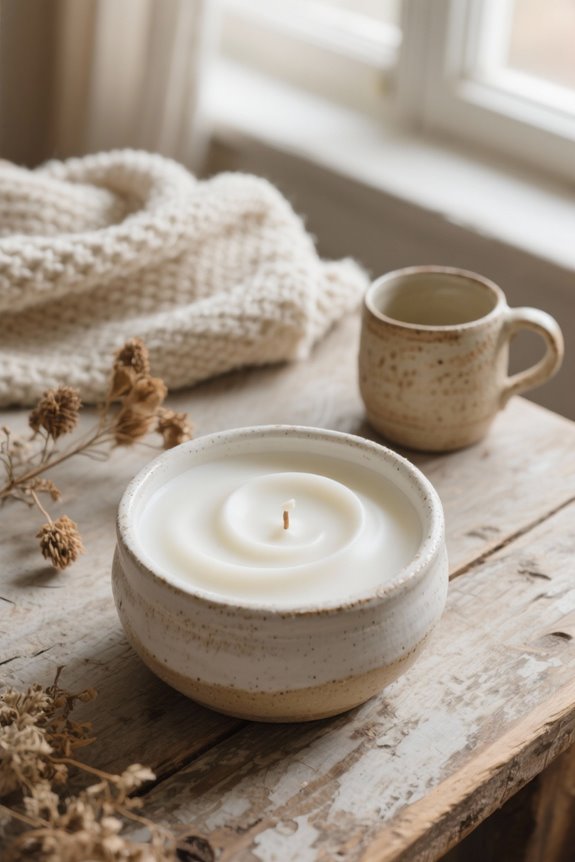
Coconut wax stands out in the candle-making industry for its clean-burning qualities and sustainable origins. It exhibits exceptional coconut properties, burning slower and cleaner than traditional paraffin wax. This means it produces minimal soot and releases almost no harmful toxins, improving indoor air quality considerably.
- Health Benefits: Non-toxic and free from synthetic additives, it is suitable for those with allergies or sensitivities.
- Environmental Impact: As a renewable resource, coconut sustainability is guaranteed because coconuts are abundant and biodegradable.
The wax’s lower melting point provides an even burn, enhancing scent throw while supporting longer candle life. Additionally, candles made from coconut wax often have longer burn times compared to traditional options, providing even greater value for users. To sum up, coconut wax offers a versatile and environmentally friendly option for candle enthusiasts.
Recommended Products

Warm Coconut Vanilla Scent: A cozy blend of creamy coconut, warm vanilla, and soft tonka notes creates a smooth, comforting fragrance for everyday relaxation.

Coconut Beach Fragrance Blend: A tropical escape in every burn—combines creamy vanilla, fresh coconut, smooth milk, and zesty citrus notes to recreate the sun-soaked, breezy vibe of a coastal beach day, turning any space into a tropical retreat
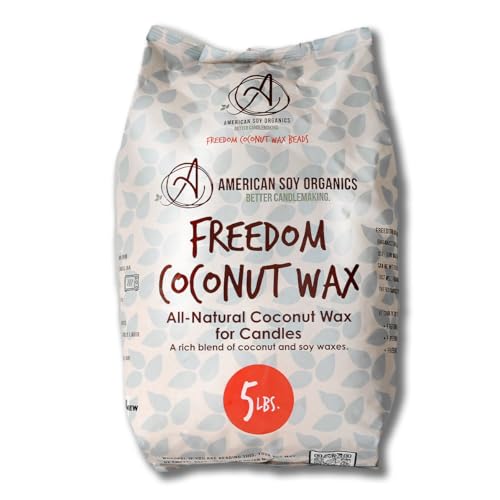
100% NATURAL COCONUT SOY WAX BEADS, PARAFFIN-FREE: Freedom Coconut Soy Wax Beads are made from a blend of USA Midwest-grown soybeans and coconut wax, 100% natural, paraffin-free, beeswax-free, and free of animal products. This blend burns cleaner and longer than paraffin, producing a safer candle your household can enjoy with confidence. Carefully sourced and proudly made in America for candlemakers who care about what goes into every pour and every burn.
Rapeseed Wax
What makes rapeseed wax a favored choice among candle makers? This natural wax, derived from hydrogenated rapeseed oil, stands out due to its sustainable sourcing. Primarily harvested in Europe, it supports local agriculture while reducing carbon emissions. Its production involves non-GMO crops and less intensive farming practices, making it an eco-friendly option.
Rapeseed wax is appreciated for its excellent fragrance retention, which allows candles to release scents effectively during burning. It boasts a low melting point, enabling longer burn times and clean emissions, which benefits indoor air quality. Additionally, it blends well with other natural waxes, allowing for versatile candle designs. Overall, rapeseed wax meets the growing demand for both quality and sustainability in candle creation. Furthermore, the use of renewable soybeans in candle production, like in many soy candles, contributes to a more sustainable industry.
Frequently Asked Questions
How Do I Choose the Right Wax for My Candles?
To choose the right wax for candles, consider factors like scent throw and wick compatibility. Each wax type offers unique characteristics that influence performance, ensuring an ideal burning experience when aligned with specific candle designs.
What Are the Health Implications of Burning Different Wax Types?
Burning paraffin wax poses significant health risks due to toxic emissions, diminishing indoor air quality, while natural wax alternatives, like soy and beeswax, promote healthier environments with minimal pollutants, benefiting respiratory health and reducing irritants.
Can I Mix Different Wax Types for Better Candle Performance?
Yes, different wax types can be mixed through wax blending techniques, leading to performance enhancement. Such blends improve burn quality, scent throw, and texture, creating customized candles tailored to specific preferences and applications.
How Should I Store Candle Wax to Maintain Quality?
Proper wax storage guarantees longevity; keeping it in cool, dark conditions within sealed containers prevents deterioration. Imagining melting wax can be avoided by maintaining stability and protecting against light, moisture, and extreme temperatures for ideal quality.
Are There Any Safety Tips for Burning Candles Made of Different Waxes?
When burning candles, prioritizing fire safety is essential. Regular candle care includes trimming wicks, burning in stable holders, maintaining ventilation, and not exceeding recommended burn times, ensuring a safer and cleaner experience regardless of wax type.