As an Amazon Associate, we earn from qualifying purchases. Some links on this site are affiliate links at no extra cost to you. Our recommendations are based on thorough research and editorial judgment.


Digital Thermostats For Space Heaters: How To Use

Digital thermostats for space heaters offer precise temperature control and energy savings. There are different types, like programmable and smart thermostats, each providing unique benefits. Users should verify compatibility with their heaters, such as checking specifications to avoid issues. Installation typically involves turning off power, wiring connections, and mounting the device securely. While they enhance efficiency, drawbacks include limited heating ranges and reliance on electricity. By exploring further, one can uncover tips on maximizing thermostat functionality and maintenance best practices.
Key Takeaways
- Confirm compatibility between the space heater and the digital thermostat to ensure proper functionality and efficiency.
- Follow the installation process by turning off electricity, reading the manual, and securely mounting the thermostat base.
- Utilize programmable timers on digital thermostats to schedule heating times, enhancing energy efficiency based on your needs.
- Regularly check for updates and maintenance requirements to keep the thermostat functioning effectively and safely.
- Adjust settings based on comfort preferences and utilize features like ECO mode for optimized energy usage.
Understanding Types of Digital Thermostats
You may be interested

10 Best Attic Insulation Options for Energy Efficiency in 2026
September 13, 2025
10 Best Convection vs. Radiant Heaters: Which One Is Right for You
September 13, 2025
When considering digital thermostats for space heaters, it is essential to understand the different types available, each designed for specific needs and functionalities. A digital thermostat basics overview reveals several categories:
- Digital Manual Thermostats: Users manually set a fixed temperature; simple and precise with safety features.
- Programmable Thermostats: Schedule heating times to enhance energy efficiency, mainly for larger units.
- Smart/Wi-Fi Thermostats: Control via smartphone or voice, offering advanced features like geofencing.
- Outlet Thermostats: Simple plug-in devices for portable heaters, allowing for easy temperature management without complex setups.
- Specialty & Data Logging Thermostats: Used in commercial settings, recording temperature data over time but rare in residential space heaters.
Conducting a thermostat comparison analysis helps users select the right option for their heating needs. Additionally, selecting a heater with adjustable temperature control will provide better customization to suit individual comfort preferences.
Recommended Products

✓ EFFORTLESS SET UP: Easily program your desired temperature or switch between Fahrenheit and Celsius using just 3 buttons on this temperature controller. Please note: The BN-LINK reptile thermostat controller is intended for heating devices only, such as reptile heating pads, seedling heat mats, and heat lamps.

【Effortless Setup with Intuitive Design】 : WILLHI digital temperature-controlled outlet switch simplifies settings with two knobs for on/off temperature adjustments—no complicated menus. It provides precision within -58°F to 230°F (-50°C to 110°C), making it an ideal thermostat plug for various applications. By memorizing settings during power outages, it minimizes disruption, saves energy, and reduces setup time, providing a hassle-free user experience.
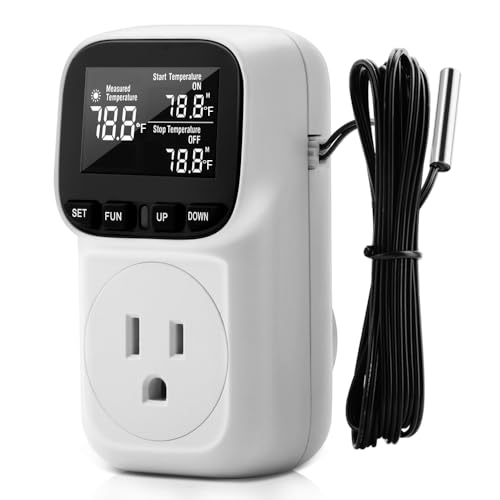
【5 Temperature Controller Modes】 F01 camper thermostat cycle timer mode; F02 countdown ON mode, F03 countdown OFF mode, F04 countdown ON and countdown OFF mode). Temperature calibration support. Reset function. Data storage function to save all set parameters after power off.
Compatibility Considerations for Space Heaters
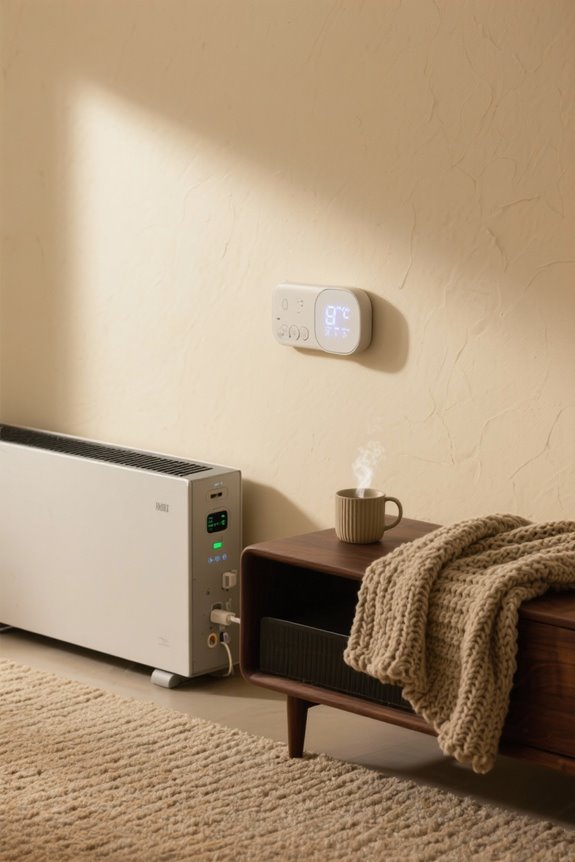
Compatibility considerations for space heaters play an essential role in ensuring effective and safe heating solutions. Understanding space heater compatibility is significant before selecting a thermostat.
- Smart Envi Heaters: Ideal for smart home systems with Wi-Fi control and geofencing.
- EconoHome Heaters: Work with wall-mounted thermostats.
- Dreo Heaters: Feature remote control and integrate well with other systems.
- Wexstar Heaters: Best suited for plug-in thermostats.
- Comfort Zone Heaters: Often come with built-in digital thermostats.
When choosing a thermostat, attention must be paid to voltage requirements and whether the system is hardwired or plug-in. Overall, selecting the right thermostat features will enhance efficiency and safety while ensuring the best heating environment. Additionally, considering the energy efficiency of different space heaters will assist in optimizing heating costs.
Installation Process for Digital Thermostats
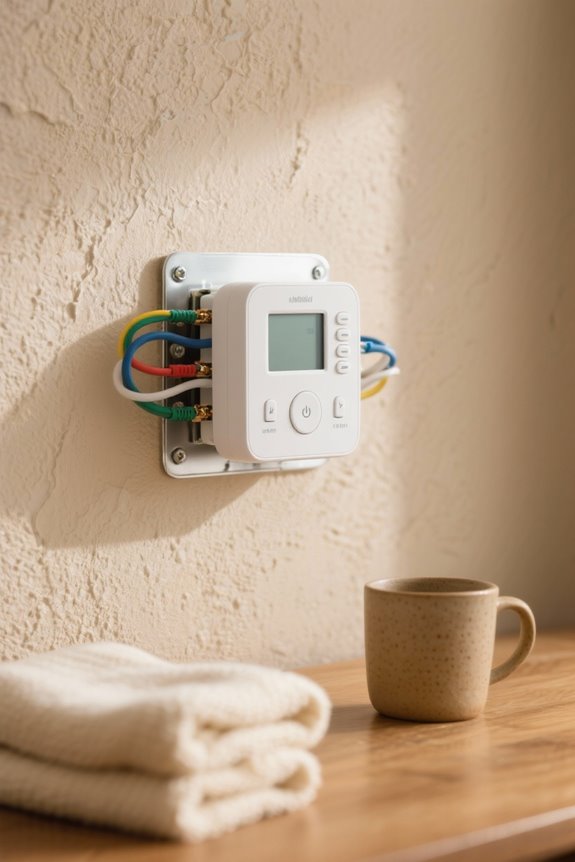
Installing a digital thermostat for space heaters requires careful planning and attention to safety. First, turn off the electricity at the circuit breaker to avoid electric shock. Use a voltage tester to verify that power is off. Consider these installation tips for success:
- Read the thermostat’s manual to understand wiring connections.
- Gather tools, such as a screwdriver, wire strippers, and a drill.
- Remove the old thermostat by disconnecting wires and taking a clear reference photo.
When mounting the new thermostat base, guarantee it is level and secure. Connect wires according to the reference photo and double-check all connections. After attaching the thermostat unit and restoring power, program the desired settings. Always follow safety precautions during the installation process. Additionally, ensure the digital thermostat is compatible with your space heater’s safety features to avoid any issues during operation.
Recommended Products

Powerful heat that fits everywhere: DREO space heaters for indoor combines Hyperamics 1500W advanced PTC system with a new heat funnel design to deliver heat within seconds and enhance warm air circulation for up to 200% farther reach than traditional heaters.
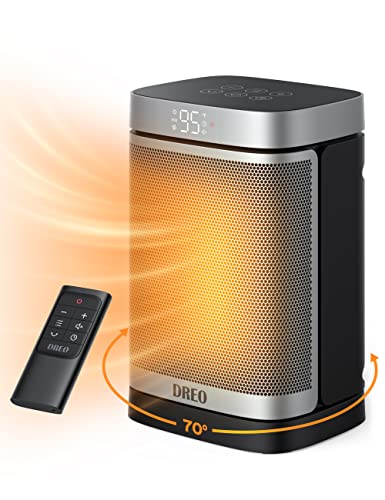
Faster Heat Than Ever: Powered by DREO Hyperamics Technology, Atom One space heater heats up more efficiently with up to 1500W working power, reaching your desired temperature immediately, letting you feel fast, balmy heat straight away. This electric heater is meant to sit by your feet on the floor, near your hands on a desk, or carry around indoors. Add our heaters for indoors use to your cart & experience our amazing heater and customer service

Powerful heat that fits everywhere: DREO space heaters for indoor combines Hyperamics 1500W advanced PTC system with a new heat funnel design to deliver heat within seconds and enhance warm air circulation for up to 200% farther reach than traditional heaters.
Key Features and Benefits of Digital Thermostats
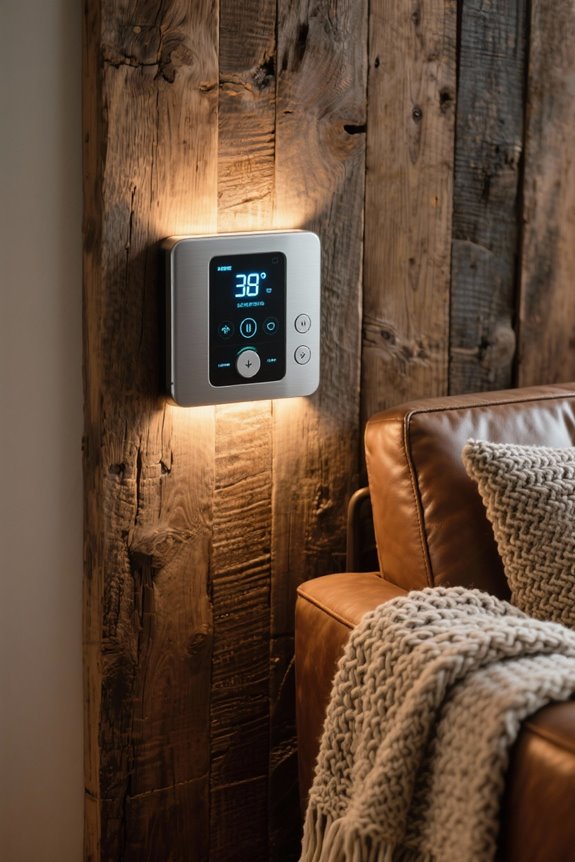
Digital thermostats offer a range of key features and benefits that enhance heating efficiency and user experience. These devices guarantee user comfort by providing precise temperature readings and programmable schedules. Users can benefit from energy optimization through:
- Accurate Temperature Control: Maintains specific temperatures, reducing energy waste.
- Programmable Timers: Allows scheduling, so heaters operate only when needed.
- Multiple Modes: Users can select different heating levels for tailored comfort.
- Safety Features: Includes overheat protection and tip-over switches, guaranteeing safe operation.
- User-Friendly Displays: Clear screens help monitor settings easily.
Incorporating these features allows consumers to enjoy consistent warmth while minimizing energy costs and environmental impact. Ultimately, digital thermostats provide significant improvements to home heating comfort and efficiency, especially when paired with advanced safety mechanisms that enhance user confidence and peace of mind.
Limitations and Drawbacks of Digital Thermostats
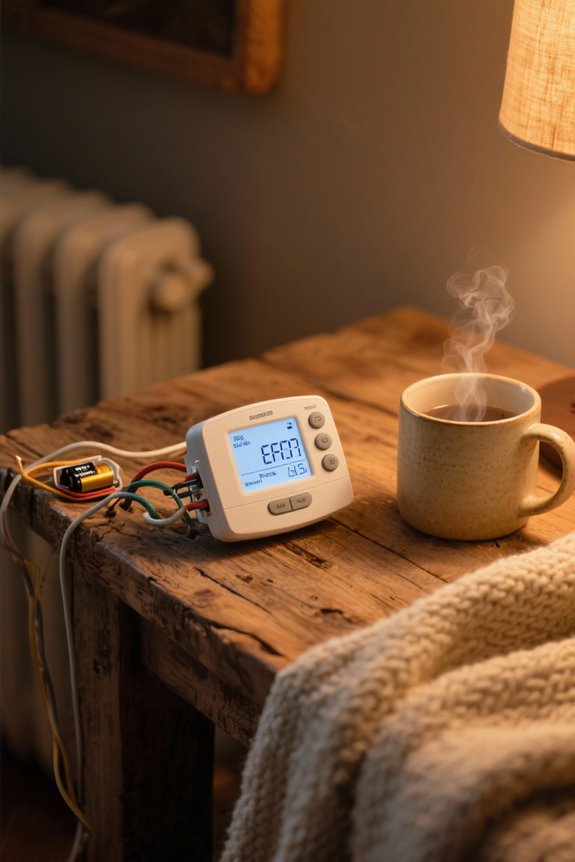
While digital thermostats provide improved control over space heaters, several limitations and drawbacks can affect their overall effectiveness and user satisfaction.
- Limited Heating Range: Space heaters typically warm areas up to about 150 square feet, making them ineffective in larger spaces or poorly insulated rooms.
- Energy Costs: Despite their control, these heaters still consume significant electricity, leading to increased energy bills when used continuously.
- Safety Concerns: Digital thermostats reduce fire hazards but do not eliminate them; constant monitoring is still required to prevent overheating.
- Installation Challenges: Users may find installing or programming these thermostats complex, resulting in suboptimal heating and safety risks if misconfigured.
These factors should be carefully considered before relying solely on digital thermostats for heating solutions. Additionally, Dreo heaters offer energy-efficient features that might help mitigate some of the electricity costs when used more effectively.
Maintenance Tips for Digital Thermostats
Proper maintenance of digital thermostats is vital for optimizing their efficiency and prolonging the lifespan of space heaters. Regular filter maintenance is key, as clean filters improve airflow and prevent dust buildup. Proper ventilation around the heater also helps avoid overheating. Users should routinely inspect the power cord for damage, guaranteeing safety.
Additionally, performing thermostat calibration guarantees accurate temperature readings. Wise adjustments to settings can extend the heater’s life by reducing unnecessary heat output. It’s important to consider the energy efficiency ratings of your heater to find the right balance between warmth and cost.
To sum up, effective maintenance involves:
- Regular filter cleaning
- Power cord inspection
- Thermostat settings adjustments
- Maintaining good ventilation
Troubleshooting Common Issues With Thermostats
Identifying and resolving common issues with thermostats can enhance the functionality of space heaters.
Sensor Issues
Temperature discrepancies may indicate faulty sensors. Testing with an alternative thermometer can help verify accuracy. Cleaning the thermostat’s interior with a soft brush may resolve reading errors caused by dust. Additionally, ensuring the thermostat is connected to smart control capabilities can optimize its accuracy and effectiveness.
Wiring Problems
Loose or damaged wiring can lead to malfunction. Confirm connections are firm and check for corrosion or breaks that may require professional diagnosis.
Power Supply Concerns
A blank display often suggests dead batteries or tripped breakers. Replacing batteries and inspecting electrical connections are essential first steps.
Temperature Control
Inconsistent heater response may arise from sensor failure or poor placement. Regular thermostat calibration and, if necessary, sensor replacement can improve performance considerably.
Energy Efficiency and Cost Savings
Energy efficiency in space heaters is essential for reducing energy costs and promoting sustainable practices. To achieve this, implementing energy-efficient practices can lead to considerable savings. Here are some cost-saving tips:
- Auto Shut-Off Timers: Heaters like the Ciarra model automatically turn off when not in use, preventing wasted energy.
- ECO Modes: Activate eco functions to adjust heating based on need, optimizing power usage.
- Proper Placement: Confirm heaters are positioned away from obstructions to enhance their effectiveness.
- Programmable Thermostats: Set specific schedules to operate the heater only when needed, minimizing unnecessary expenses.
- Energy-Saving Modes: Choose models that cycle on and off to maintain comfortable temperatures without excessive energy use.
In addition, selecting a model with advanced technology can enhance heating efficiency while lowering electricity consumption. These strategies can considerably enhance both energy efficiency and cost savings.
Smart Thermostats: A Deeper Dive
Smart thermostats represent a significant advancement in home heating and cooling technology, enhancing both comfort and efficiency. They utilize smart learning to adapt temperature settings based on occupant behavior, improving comfort over time.
Key features include:
- Occupancy sensors prioritize temperature adjustments in specific rooms.
- Wi-Fi connectivity allows for remote control through smartphones or tablets.
- Geofencing automatically adjusts settings based on the user’s location.
User feedback plays an essential role in refining these devices. Initial manual adjustments help the thermostat learn patterns. With ongoing data collection, smart algorithms can predict user schedules. Such automation not only optimizes daily energy use but facilitates maintenance alerts, promoting system health and longevity. This guarantees that the thermostat remains an efficient tool in managing home environments effectively. Additionally, regulated energy efficiency features help ensure that the heating system operates at optimal performance while conserving electricity.
Choosing the Right Thermostat for Your Heater
When selecting a thermostat for a heater, several important factors should be considered to guarantee compatibility and efficiency. It is vital to confirm heater compatibility, as heater power and voltage must align with thermostat specifications. This includes noting differences between portable and built-in heaters. Additionally, the various heater types—like ceramic or infrared—have distinct thermal characteristics that require specific thermostats for accurate temperature control.
Consider the following:
- Look for programmable options for flexible temperature ranges.
- Verify robust safety features, such as overheat protection and child locks.
- Choose thermostats with user-friendly digital displays and remote access.
Regular maintenance of the propane supply is necessary for uninterrupted operation and can also impact the effectiveness of a digital thermostat. Always check manufacturer compatibility lists to avoid issues with third-party units and ascertain a seamless functioning relationship.
Recommended Products

CUSTOMIZABLE HEATING OPTIONS: Choose from three settings to suit your needs - High (1500W), Low (900W), or Fan Only for air circulation without heat.

Just Plug In & Set Your Temperature - Works in 30 Seconds No complicated wiring or electrician needed. Simply plug your heater or cooler into our controller, set your desired temperature on the bright LED screen, and you’re done. Perfect for anyone, regardless of technical experience.
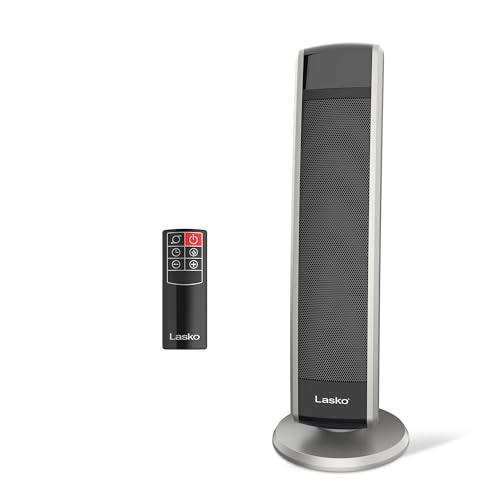
POWERFUL WHOLE-ROOM HEATING: Experience comforting warmth with 1500 watts of power and an elongated ceramic heating element that delivers penetrating air velocity to circulate heat evenly throughout the room. Ideal for bedrooms, living rooms, and home offices.
Frequently Asked Questions
Can I Use a Digital Thermostat With My Gas Space Heater?
Yes, a digital thermostat can harmonize with a gas space heater’s rhythm, enhancing gas heater compatibility. Its thermostat features like precision control and programmability create a symphony of warmth, orchestrating energy efficiency and comfort seamlessly.
How Do I Choose the Right Location for My Thermostat?
Choosing the right location for a thermostat involves considering thermostat placement on an interior wall, away from heaters, direct sunlight, and airflow. This guarantees accurate room temperature readings and maintains efficient climate control throughout the space.
Is a Smart Thermostat Compatible With All Types of Space Heaters?
Smart thermostats are not universally compatible with all space heaters. Compatibility issues arise due to their design for centralized systems, highlighting that only approximately 30% of electric heaters effectively utilize smart technology for maximum control and efficiency.
Can I Manually Override Programmed Settings on a Digital Thermostat?
Yes, a manual override can be used to change programmed settings on a digital thermostat. This feature allows users to temporarily adjust the temperature until the next scheduled time or set it permanently.
What Is the Lifespan of a Digital Thermostat?
The lifespan of a digital thermostat averages 10 years, influenced by thermostat maintenance and usage patterns. Energy efficiency can decline if maintenance is neglected, leading to potential malfunctions and earlier replacement needs.