As an Amazon Associate, we earn from qualifying purchases. Some links on this site are affiliate links at no extra cost to you. Our recommendations are based on thorough research and editorial judgment.


Heated Pads: Health Benefits

Heated pads provide several health benefits, primarily effective for pain relief and muscle recovery. They work by raising tissue temperature, improving blood circulation, and enhancing flexibility. Regular use can alleviate muscle soreness and stiffness, particularly after exercise. In addition, they support healing for conditions like arthritis and promote overall movement comfort. Safety is essential, so it’s important to monitor temperature and limit use to 20 minutes. More insights await regarding heat therapy’s broad effects on health.
Key Takeaways
- Heated pads provide non-invasive, drug-free pain relief by increasing blood flow and reducing sensitivity of pain receptors.
- Regular use enhances muscle recovery, alleviating soreness and improving range of motion after physical activity.
- Heat therapy promotes tissue repair by boosting collagen synthesis and accelerating cellular activity for faster healing.
- It effectively manages symptoms of conditions like rheumatoid arthritis by improving joint flexibility and reducing muscle spasms.
- Consistent use of heated pads contributes to long-term benefits such as improved circulation, reduced chronic pain, and enhanced mobility.
Pain Relief Mechanism
Heat therapy is widely recognized for its ability to relieve pain through various physiological mechanisms. It works mainly by raising local tissue temperature, which activates thermoreceptors. These receptors inhibit the transmission of pain signals to the brain, effectively altering pain perception.
Key effects include:
- Increased blood flow, enhancing tissue repair.
- Reduced muscle stiffness, relaxing tight muscles and joints.
- Decreased pain receptor sensitivity boosts analgesic effects.
The concept of thermal tolerance varies among individuals, as skin sensitivity plays a significant role. Ideal heating pad temperatures typically range from 40°C to 45°C (104°F–113°F). When used appropriately, heat therapy offers a non-invasive, drug-free option for managing discomfort, making it a valuable tool for promoting overall well-being. Additionally, many heated mattress pads include multiple heat settings for customization to individual preferences, enhancing the effectiveness of the treatment.
Effectiveness for Acute Lower Back Pain
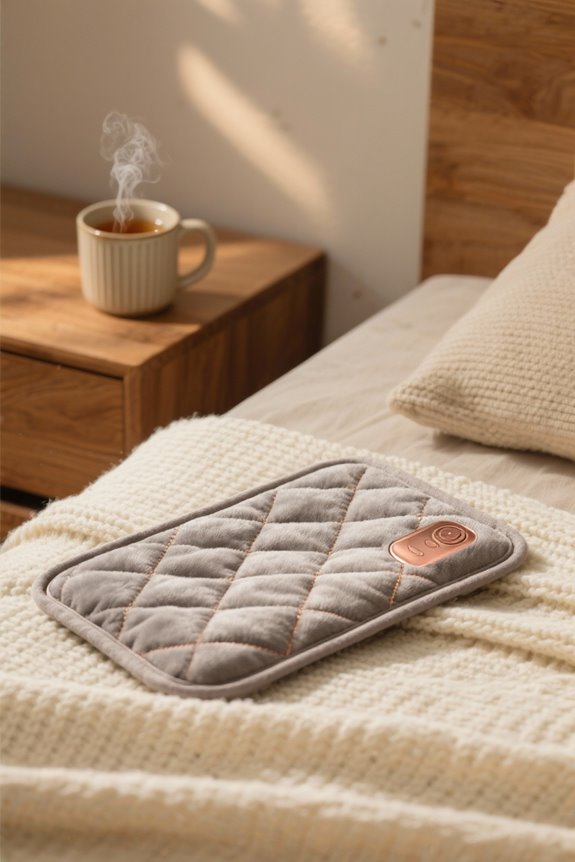
When considering effective treatments for acute lower back pain, heat therapy emerges as a promising option. Research shows that heat wrap effectiveness leads to significant short-term pain reduction. For instance, studies indicate about 17% less pain after five days compared to placebo treatments.
Additionally, heat wraps outperform common medication like acetaminophen and ibuprofen, providing 33% and 52% better relief respectively, while minimizing side effects.
Patients using heat wraps at night report a 90% improvement in morning pain and enhanced mobility. These benefits contribute to lower disability scores, emphasizing the role of heat as a valuable component in pain management strategies. Overall, heat therapy promotes comfort and functional recovery, making it an accessible choice for individuals suffering from acute lower back pain. Furthermore, using heated mattress pads can enhance the effectiveness of this treatment by providing multiple adjustable heat settings that cater to individual comfort preferences.
Recommended Products

All FINEST MATERIALS MADE: Our Nicesoul modern luxurious wicker set features a durable alloy steel frame wrapped in premium PE wicker; This weather-resistant material ensures the set is rust-proof and sun-proof, making it ideal for year-round outdoor use; With a robust weight capacity of up to 500 lbs, our sofas provide exceptional support compared to the standard 350 lbs of others; The stability of the heavy duty frame and the delicate texture of the rattan material ensures its unique advantage

Patio Set for outdoor Use : Crafted with heavy-duty rust-free aluminum frame, the Erotr outdoor furniture set is wrapped in handwoven polyester braided ropes that resists sun's UV, abrasion, and fading for outdoor and indoor long-lasting durability

(Easy to Stretch for Various Occasions) - Simply pull it and switch from a 78.7-inch daily table to a 110.2-inch party mode. The smooth retractable mechanism makes the table changing with you - accommodating 8 welcoming dinner for 8 people on the day and the festivals expand to 12 people, making it the ultimate space-saving solution for growing families
Continuous Low-Level Heat Therapy Benefits

The benefits of Continuous Low-Level Heat Therapy (CLHT) extend beyond mere comfort to encompass various aspects of muscle and connective tissue health. CLHT promotes muscle relaxation by elevating local tissue temperature, which calms contracted muscles. This process increases blood flow, supplying essential nutrients and oxygen to muscles.
Key advantages include:
- Improved collagen elasticity, which helps connective tissues become more flexible and less stiff.
- Reduction of muscle tension, leading to fewer spasms.
- Enhanced range of motion through increased tissue pliability.
- Accelerated removal of metabolic waste, assisting post-exercise recovery. Additionally, using heated pillows with adjustable heat settings can further enhance therapeutic outcomes by tailoring the temperature to individual needs.
Recommended Products

FULL-BODY INFRARED HEAT - Enjoy soothing warmth that helps you relax, recharge, and unwind. Featuring 7 far infrared heating panels for even heat distribution and temperatures up to 149°F, this infrared sauna delivers a comfortable and relaxing home spa experience.

Start sleeping better with on-demand cooling and heating comfort right in your own bed, works on any size bed including adjustable beds, simple and easy to use.

Entertainment & Relaxation:2026 upgraded Favor 06 massage chair comes with a built-in Bluetooth phone controller and phone holder, so you can scroll, stream, or browse comfortably during your massage. Enjoy true full-body and mental relaxation, plus an exclusive heart rate and blood pressure monitoring function.
Heat Therapy for Muscle Soreness
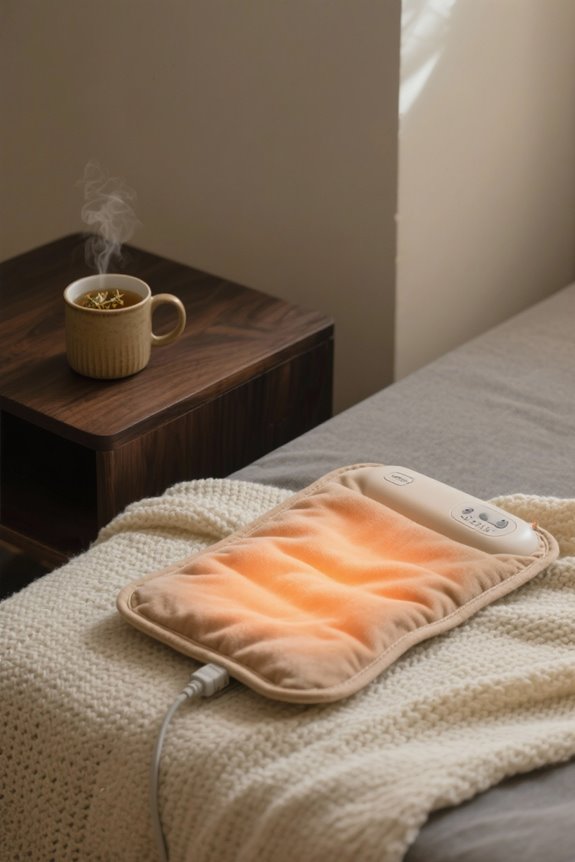
Muscle soreness can frequently occur after physical activity, making recovery strategies important for maintaining performance. Heat therapy is a popular method for addressing muscle soreness through targeted heat applications.
- Benefits of Heat Therapy:
- Reduces muscle soreness by alleviating pain and aiding the healing process.
- Promotes muscle relaxation, which helps reduce spasms and tension.
- Improves the range of motion, making stretching more effective.
Heat applications, such as hot packs or chemical heat packs, can be utilized immediately after exercise or even 24 hours later to enhance recovery. Studies suggest that heat therapy effectively raises the pain threshold, improving overall comfort and mobility. This approach makes it valuable for athletes and active individuals looking for effective recovery methods. Additionally, using moist heat therapy can further enhance effectiveness by promoting deeper tissue absorption.
Recommended Products
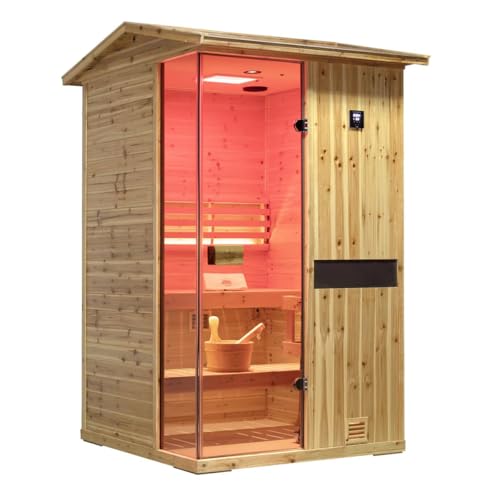
Outdoor sauna 2 person: The sauna steam room features a pre-cut tenon-slot design, easy to assemble. It has ample space, with external dimensions of 47.25" W × 47.25" D ×84.41" H and internal dimensions of 43.90"W × 43.90"D × 74.01"H, making it perfect for family, friends, or quiet self-care moments.

6 Low EMF FAR Infrared Carbon Heating Panels

HIGH QUALITY: 17-layer system, EMF FREE with overheat protection and professional controller to set and maintain 86°-158°F (30-70C).
Promotion of Blood Circulation

Promoting blood circulation through heat therapy offers numerous health benefits. Heat application increases blood flow by expanding blood vessels, a process known as vasodilation. This improved circulation enhances oxygen delivery to tissues, reducing the risk of hypoxia. Additionally, with increased blood flow, essential nutrients reach muscles and tissues more effectively.
Key benefits include:
- Lowered Blood Pressure: Heat therapy optimizes vascular health and can decrease systemic resistance.
- Enhanced Recovery: Improved circulation aids in the removal of metabolic waste, facilitating faster recovery post-exercise.
- Peripheral Artery Disease: Heat therapy can enhance walking capacity and vascular function in affected individuals.
Incorporating heated pads for targeted areas can help maximize these circulatory benefits in everyday practices.
Nutrient Supply Enhancement
When heated pads are used, they can greatly enhance nutrient supply to tissues in need of repair. This enhancement occurs through several effective mechanisms:
- Enhanced Vasodilation: The heat encourages blood vessel expansion, improving blood flow to the affected areas.
- Increased Oxygen Delivery: With better blood flow, oxygen and essential nutrients reach damaged tissues more efficiently.
- Nutrient Absorption Techniques: Improved circulation boosts the absorption of proteins, vitamins, and minerals, essential for cellular recovery.
Using heating pads aids tissue repair strategies by ensuring adequate nutrient delivery, fulfilling tissue demands effectively. This localized treatment helps in reducing recovery times, while adequately nourishing cells accelerates the healing processes. Additionally, they can provide a soothing effect that enhances muscle relaxation and overall comfort during recovery. Overall, heating pads are a practical tool in enhancing nutrient supply for efficient healing and recovery.
Recovery From Muscular Injuries
Recovery from muscular injuries is an important process that requires careful management and appropriate strategies. Utilizing heating pads can aid in this recovery by increasing blood flow, which enhances muscle hydration and nutrient delivery. Proper recovery nutrition is crucial, as it supports glycogen resynthesis and replenishes energy stores, facilitating muscle repair.
Key benefits of heat therapy include:
- Increased vasodilation, promoting oxygen supply to injured tissues.
- Reduction of muscle soreness and stiffness, supporting mobility.
- Enhanced metabolism, speeding up tissue repair processes.
- The use of full-size heated blankets can provide consistent warmth and comfort during recovery sessions.
For best results, heat should be applied during the recovery phase, once swelling decreases. Sessions of 10-30 minutes are recommended, with careful monitoring to prevent burns. Combining heat therapy with gentle stretching can further improve flexibility and assist in overall recovery.
Infrared Heat Therapy for Athletes
Infrared heat therapy offers numerous advantages for athletes, particularly in enhancing their performance and recovery processes. This therapy increases blood flow to muscles, improving circulation and oxygen delivery. Enhanced circulation aids muscle recovery by reducing fatigue and soreness after workouts.
Key benefits include:
- Reduction of Muscle Soreness: Infrared therapy lowers delayed onset muscle soreness (DOMS), aiding in quick recovery post-exercise.
- Improved Performance: Athletes experience increased neuromuscular performance, including greater strength and power output.
- Detoxification: The therapy encourages sweating, which helps remove metabolic waste, promoting a healthier recovery environment. Additionally, fire starters can be beneficial for athletes seeking outdoor training methods that require quick and effective fire generation for warming up equipment or cooking nutritious meals.
Recommended Products
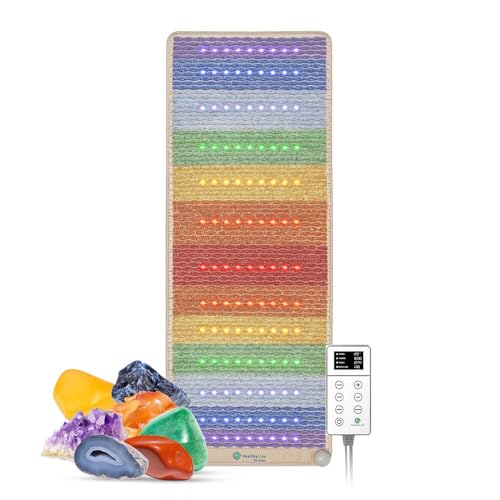
Rainbow Gemstone Design: Featuring seven colorful gemstone sections with Amethyst, Sodalite, Blue Lace Agate, Green Aventurine, Yellow Aventurine, Carnelian, and Red Jasper, this gemstone heating pad provides consistent warmth and a comfortable surface for meditation, stretching, and daily relaxation routines.

EXTRA-LARGE FULL BODY DESIGN: This full body heating mat features a spacious 74 x 28-inch surface, providing generous coverage for stretching, reading, meditation, or relaxing at home.

HIGH QUALITY: 19-layer system, EMF FREE with overheat protection and professional controller to set and maintain 86°-158°F (30-70C). Auto shut-off functionality.
Tissue Repair and Healing
Tissue repair and healing are crucial processes for recovery following injuries. Heated pads enhance these processes through increased blood flow, promoting tissue regeneration.
- Heat-Induced Vasodilation: Heat widens blood vessels, improving circulation and oxygen delivery to the injury site.
- Cellular Metabolism: Elevated temperatures speed up cellular activity and collagen synthesis, which are essential for restoring tissue integrity.
- Muscle Relaxation: Heat reduces stiffness and relaxes tense muscles, facilitating movement and rehabilitation.
- Pain Modulation: The analgesic effect of heat helps reduce discomfort, allowing earlier mobilization of the injured area.
Maintaining appropriate heat tolerance levels, typically between 40°C and 45°C, maximizes benefits without causing harm. Overall, heat therapy creates an ideal environment for effective healing and recovery, as many heated back wraps also come with customizable comfort options that allow users to tailor the therapy to their individual needs.
Management of Rheumatoid Arthritis
Rheumatoid arthritis (RA) is a chronic inflammatory disorder that affects joints throughout the body. For effective RA symptom management, heat application techniques hold significant promise. Heat therapy can relieve pain and reduce muscle spasms by increasing blood circulation, thereby enhancing nutrient delivery to the joints.
- Moist heat, like hot packs or wax baths, can improve stiffness, especially in the hands.
- Warm compresses facilitate muscle relaxation and decrease pain signals.
- Regular use of heating pads may prolong pain relief beyond treatment sessions.
Furthermore, combining heat therapy with exercise regimens can improve functionality and limit reliance on medications. Overall, heat applications serve as accessible, low-cost options for helping individuals manage RA symptoms and improve their quality of life. Additionally, ergonomic designs of heated pads can optimize comfort during use.
Recommended Products

【8X Pain Relief Heating Pad】UTK heating pad combines four therapies in one: far infrared therapy, red light therapy, heat therapy, and jade therapy. It delivers 8X the effect of ordinary heating pads, providing fast and deep pain relief
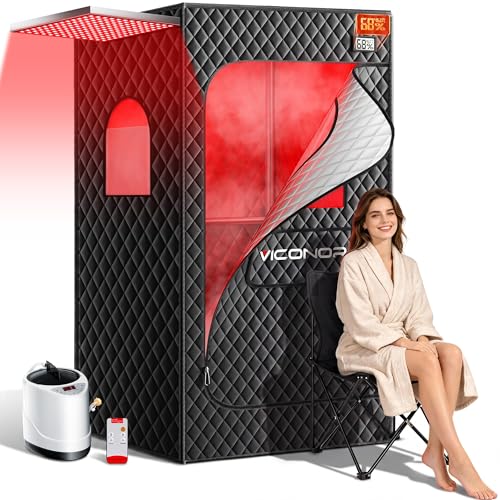
Professional Red Light Sauna: Infrared sauna box features ultrasonic composite sauna covers that efficiently trap heat. 3L/1200W steam generator evenly fills the space with warmth within minutes. Equipped with triple safety protection—dry-burn prevention, leak protection, and explosion resistance, it ensures a worry-free sauna experience. Experience 360° enveloping steam that opens pores. Our advanced red light therapy sauna combines red light therapy with steam therapy for powerful perspiration

CONSCIOUSLY CREATED: Minimal waste construction now available in multiple materials including canvas, leather and the classic, quick dry nylon; This airy shoe is perfect work with socks or barefoot for indoor and outdoor use
Improvement of Joint Mobility
Improving joint mobility is essential for enhancing overall physical function and quality of life. Heated pads facilitate this improvement by increasing tissue temperature, leading to vasodilation and enhanced blood flow. This process reduces joint stiffness and increases joint flexibility, making mobility exercises easier and more effective.
Benefits of using heating pads include:
- Reduced pain and stiffness, aiding individuals with chronic conditions.
- Increased pliability of connective tissues, enhancing movement and extensibility.
- Facilitation of comfortable range of motion, allowing for better participation in physical activities.
Incorporating heat therapy, particularly before mobility exercises, can promote better outcomes, leading to improved joint function and quality of life. Consequently, heating pads serve as a practical tool for those aiming to increase their mobility. Additionally, cordless designs of heated blankets provide versatile options for users to enjoy heat therapy anywhere while enhancing their mobility.
Safety Considerations for Heat Therapy
Heat therapy can greatly enhance joint mobility and overall physical function, but safety considerations must be taken into account when using this method.
General Safety Guidelines:
- Temperature Monitoring: Maintain heat between 40-45°C to prevent burns.
- Duration Limitations: Limit sessions to 20 minutes.
- Supervision Needed: Confirm use is supervised by qualified professionals.
- Medical Clearance: Consult healthcare providers if underlying health conditions exist.
Heating Pad Safety:
- Regular Inspection: Check equipment for wear and frayed wires.
- Avoid Direct Contact: Place a barrier, like a towel, between the pad and skin.
- Automatic Shut-Off: Look for heating pads with auto shut-off features.
Following these heat therapy safety guidelines confirms effective use while minimizing risks.
Long-Term Health Benefits
Long-term health benefits from consistent use of heat therapy are increasingly recognized in both medical and rehabilitation settings. This approach supports long-term wellness and chronic condition management by providing multiple advantages:
- Improved circulation: Heat therapy induces vasodilation, enhancing blood flow, which aids tissue healing and nutrient delivery.
- Pain relief: Regular heat application helps reduce chronic pain intensity, particularly for conditions like arthritis and low back pain.
- Enhanced mobility: Patients experience increased flexibility and a better range of motion, making daily activities easier.
- Reduced stiffness: Lower synovial fluid viscosity improves joint function and decreases discomfort.
Metabolic Risk Factor Reduction
Metabolic health can be significantly influenced by heat therapy, which offers a range of benefits for individuals looking to reduce metabolic risk factors. One significant advantage is improved glucose metabolism, which enhances insulin sensitivity and aids in lowering fasting glucose levels. Additionally, heat therapy promotes substantial fat reduction, allowing individuals to manage weight without altering their food intake.
Moreover, enhanced muscle function from heat application supports increased muscle mass and metabolic rate. This combination of effects contributes to better overall metabolic health. Regular use of heat therapy may also help minimize inflammation and enhance recovery, which are essential for maintaining effective metabolic processes. Consequently, incorporating heat therapy can be a practical strategy for those aiming to mitigate metabolic risks.
Enhancements in Vascular Function
Enhancements in vascular function can play an essential role in overall health, especially as individuals age or experience lifestyle changes. Heat therapy, such as heated pads, can improve vascular elasticity and promote better blood flow.
Key benefits of heat therapy include:
- Improved Endothelial Function: This helps maintain healthy blood vessels and reduces arterial stiffness.
- Increased Blood Flow: Regular use enhances blood circulation to muscles and limbs.
- Blood Pressure Reduction: Heat response can lower mean arterial, systolic, and diastolic blood pressure, especially in sedentary individuals.
- Exercise Mimicry: It can provide vascular benefits similar to those derived from physical activity.
Frequently Asked Questions
Can Heated Pads Be Used During Sleep for Pain Relief?
Heated pads can be used during sleep for pain relief, offering potential benefits in pain management and enhancing sleep quality. However, safety precautions should be taken to mitigate risks such as burns or appliance malfunctions.
How Long Should Heated Pads Be Applied for Optimal Benefits?
In a hypothetical case, a patient experiencing chronic back pain found relief by adhering to duration guidelines of 15-20 minutes at ideal temperatures between 40°C and 45°C, ensuring both effectiveness and safety during application.
Are There Any Side Effects From Using Heated Pads?
Using heated pads can cause skin sensitivity, burns, or irritation, especially with prolonged duration limits. Individuals, particularly the elderly or those with reduced sensation, should exercise caution to avoid adverse reactions during usage.
Can Heated Pads Be Used Alongside Other Pain Relief Methods?
Heated pads can be safely used alongside various pain management strategies, enhancing combined treatment effectiveness. They complement topical analgesics, oral medications, and physical therapy, fostering improved blood flow and muscle relaxation for maximum results in pain relief.
Is Heat Therapy Suitable for Children or Elderly Individuals?
Heat therapy can be a double-edged sword for children and the elderly, where age considerations loom large like storm clouds, warning against its use due to heightened sensitivity and heat-related risks, necessitating extreme caution and vigilance.


