As an Amazon Associate, we earn from qualifying purchases. Some links on this site are affiliate links at no extra cost to you. Our recommendations are based on thorough research and editorial judgment.


Oil Filled Radiator Heaters: Pros And Cons

Oil-filled radiator heaters provide efficient, silent warmth, making them suitable for larger spaces. Key benefits include low electricity usage, excellent heat retention, and improved indoor air quality. However, they have disadvantages such as slow heating time, bulkiness, and limited portability. Safety features include automatic shutoff and overheat protection. These heaters also support eco-friendly practices, as they reduce carbon emissions. For a thorough understanding of their efficiency and how they compare to other heating options, further exploration is suggested.
Key Takeaways
- Oil-filled radiators provide consistent warmth but take 20–30 minutes to reach full heating capacity.
- They operate silently, making them ideal for quiet spaces like bedrooms.
- While efficient for heat retention, their bulky design limits portability and placement options.
- They offer lower energy consumption and reduced carbon footprint, promoting eco-friendly heating solutions.
- Equipped with safety features like automatic shutoff, they ensure safe operation.
Understanding Oil-Filled Radiator Heaters
You may be interested


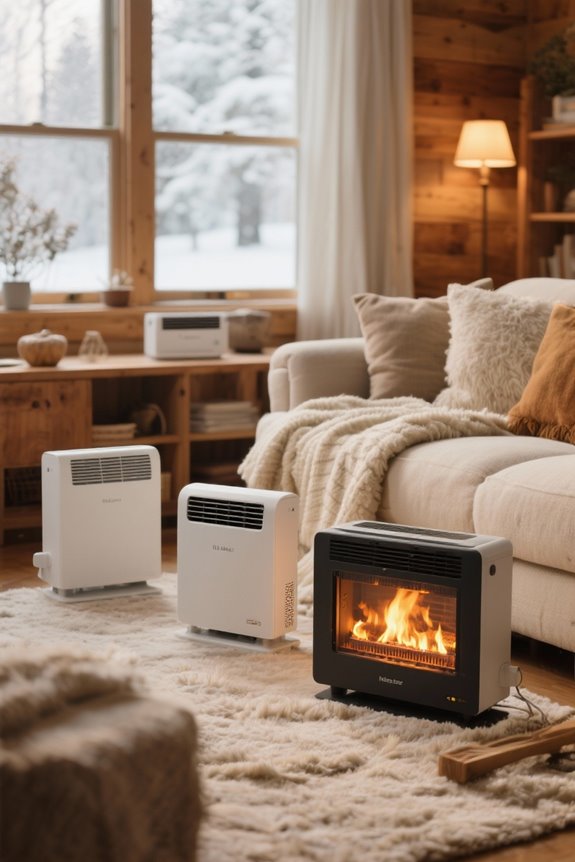
Oil-filled radiator heaters are a popular choice for home heating, known for their efficiency and comfort. These units operate by heating a thermal oil reservoir, which then transfers warmth to the radiator’s metal body.
- The heating element uses electrical energy to create heat through friction.
- This heated oil circulates, allowing convection to distribute warmth.
Heat transfer occurs via convection, conduction, and radiation, enhancing effectiveness.
One of the key features is thermal inertia, as the oil retains heat even after being turned off.
This heat retention results in comfortable room temperatures without constant energy input.
Consequently, oil-filled radiators promote steady warmth while minimizing temperature fluctuations, making them a practical heating option for various living spaces. Additionally, energy-saving models have shown that these heaters can significantly reduce energy bills while providing reliable warmth during cooler months.
Key Benefits of Oil-Filled Radiator Heaters
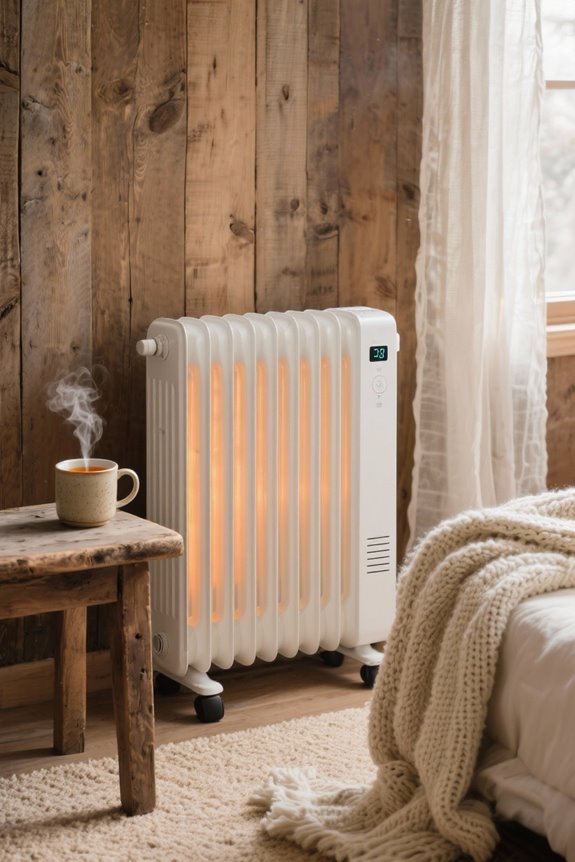
When considering heating options, many find that oil-filled radiator heaters offer various key benefits that enhance comfort and efficiency.
- Efficient Heating: These heaters provide steady, even heat, maintaining warmth even after being turned off. Once heated, they consume minimal electricity, helping reduce energy costs.
- Long-Lasting Warmth: The thermal properties of the oil allow the heater to retain heat for hours, making them ideal for well-insulated spaces.
- Noise and Safety: Operating silently, they are perfect for bedrooms or quiet environments, as they lack fans, reducing dust circulation.
- Environmental Benefits: With a lower carbon footprint, they consume less energy over time, supporting eco-friendly living practices. Additionally, most smart space heaters leverage various technologies to improve heating efficiency, ensuring energy savings and comfort.
Recommended Products

𝑭𝒂𝒔𝒕 𝑯𝒆𝒂𝒕𝒊𝒏𝒈, 𝑳𝒂𝒔𝒕𝒊𝒏𝒈 𝑪𝒐𝒎𝒇𝒐𝒓𝒕: The 1500W power heats the whole house rapidly and the hot air circulation delivers long-lasting and gentle warmth which avoids dryness in winter, making PELONIS oil heater your best choice

𝑭𝒂𝒔𝒕 𝑯𝒆𝒂𝒕𝒊𝒏𝒈, 𝑳𝒂𝒔𝒕𝒊𝒏𝒈 𝑪𝒐𝒎𝒇𝒐𝒓𝒕: The 1500W power heats the whole house rapidly and the hot air circulation delivers long-lasting and gentle warmth which avoids dryness in winter, making PELONIS oil heater your best choice

360° Whole-Home Warmth: DREO radiator heater delivers swift and silent heating at 1500W, boosting efficiency by 92.3%. Its 7 advanced fins outpace competitors by 39.49% in heat dispersion. Stay cozy with rapid, quiet, and even warmth.
Disadvantages of Oil-Filled Radiator Heaters

While oil-filled radiator heaters have several advantages, they also come with notable disadvantages that potential users should consider. One major drawback is slow heating. These heaters can take 20–30 minutes to warm up, making them unsuitable for those seeking immediate warmth.
Additionally, bulkiness issues arise due to their heavy and large design. Oil-filled radiators occupy more floor space and can be cumbersome to move, even with wheels.
These factors make them less portable compared to lighter alternatives like fan or ceramic heaters. Furthermore, frequent on and off cycling reduces energy efficiency and can lead to delayed thermostat responses. Additionally, factors such as heating capacity in BTUs should be considered to ensure the heater meets specific room heating needs.
Recommended Products

POWERFUL & ADJUSTABLE HEATING: Offers an adjustable thermostat and three heat settings - High (1500W), Medium (900W), and Low (600W) - allowing you to customize the warmth to your comfort level.

POWERFUL & ADJUSTABLE HEATING: Offers three heat settings—High (1500W), Medium (1000W), and Low (600W) - allowing you to customize the warmth to your comfort level.
Safety Features of Oil-Filled Heaters
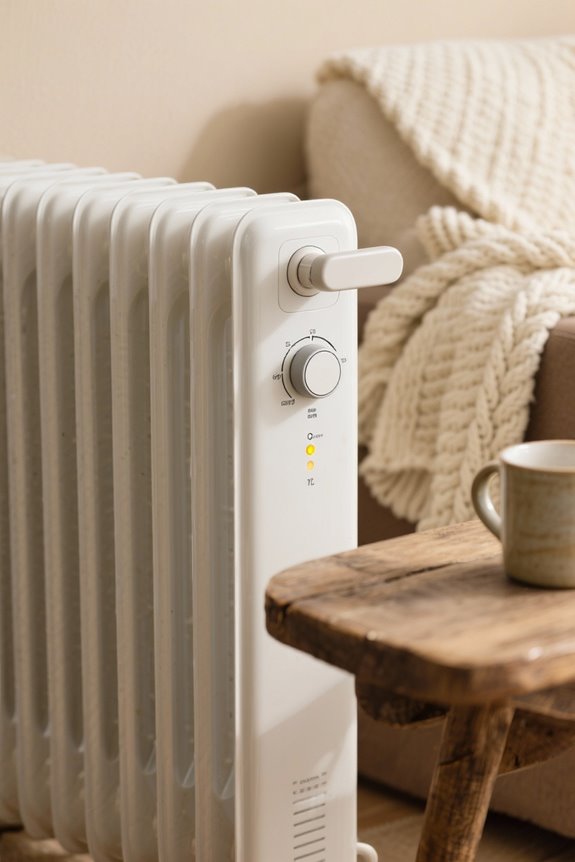
Considering the disadvantages outlined earlier, particularly regarding safety, oil-filled radiator heaters are equipped with multiple features designed to enhance user protection.
Key Safety Mechanisms:
- Automatic shutoff: Tip-over switches and overheat protection sensors activate if the heater falls or overheats.
- Sealed components: The oil and heating element are enclosed, preventing direct contact with hot surfaces.
User Precautions:
- Placement: Position heaters on flat, stable surfaces to prevent tipping.
- Clearance: Maintain space around the heater to avoid fire hazards.
- Ventilation: Use in well-ventilated areas and consider installing detectors for added safety. Additionally, similar to wall-mounted solutions, oil-filled heaters can be advantageous for spaces requiring efficient heating.
These combined features work to minimize risks, ensuring a safer experience when using oil-filled radiator heaters in various environments.
Recommended Products

360° All-Around Heating: Our oil radiator heater boasts 7 advanced fins and high-conductivity thermal oil, improving heat efficiency by 32%. Experience faster, more even warmth throughout your space.

[Efficient Heating & Multiple settings] Three heating options (900w, 1500w, mode) and five temperature settings (65F, 70F, 75F, 80F and 85F) to achieve customized temperature settings with maximized efficiency and warmth. Enjoying user friendly features including the LCD screen, programmable thermostat, remote control and 10-hour Timer.
Environmental and Health Benefits
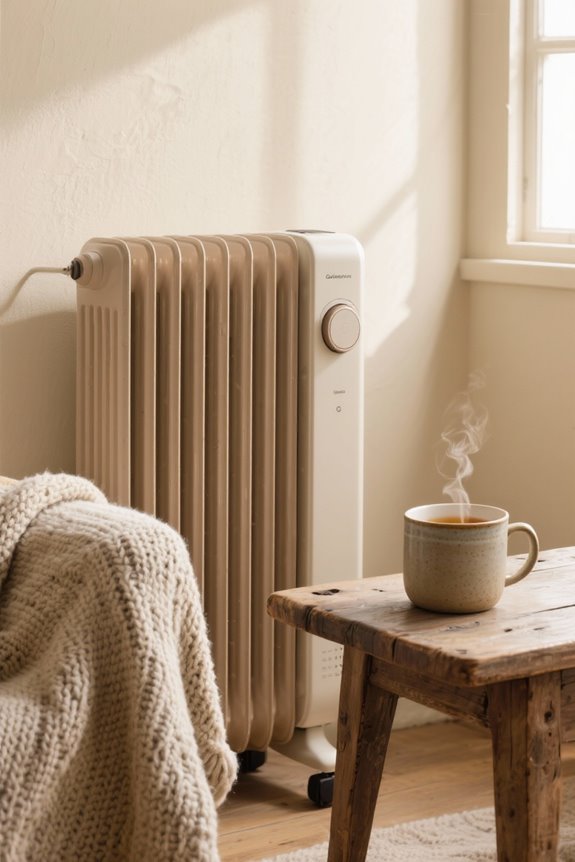
The integration of oil-filled radiator heaters showcases a commitment to environmental and health benefits that appeal to conscientious consumers. These heaters promote sustainability practices by reducing carbon emissions and supporting renewable energy use. Made from recyclable materials and filled with biodegradable oil, they align with eco-friendly disposal methods.
In addition, oil-filled radiators contribute markedly to indoor air quality. They do not emit fumes or gases, which guarantees a healthier environment, particularly benefiting respiratory health. The absence of combustion eliminates common indoor pollutants and reduces the risk of carbon monoxide exposure. Moreover, their silent operation minimizes dust and allergens, enhancing overall air quality. These features offer practical advantages for those seeking environmentally responsible heating solutions. Furthermore, many models, such as the Dreo Oil Filled Radiator, include energy-efficient ratings that reflect their reduced environmental impact.
Comparison With Other Heating Options
Understanding heating options is important, especially when considering the advantages of oil-filled radiator heaters. Compared to fan heaters, oil-filled radiators operate silently and provide steady, even heat distribution. Their ability to retain warmth longer after being turned off enhances overall heating efficiency. In relation to electric fan and convection heaters, oil-filled models are energy-efficient, consuming less power over extended use. Although they may have a higher upfront cost, the potential energy savings and longer lifespan offer notable cost effectiveness. Additionally, when compared to propane heaters, oil-filled radiators are safer and require less maintenance. Overall, oil-filled radiator heaters can be an excellent option for consistent and efficient heating in medium to large spaces. Furthermore, they benefit from built-in safety features that enhance user protection during operation.
Recommended Products

Efficient Heating: This portable radiator utilizes an oil-filled design to provide steady, even warmth throughout the room.

POWERFUL & ADJUSTABLE HEATING: Offers an adjustable thermostat and three heat settings - High (1500W), Medium (900W), and Low (600W) - allowing you to customize the warmth to your comfort level.
Tips for Using Oil-Filled Radiator Heaters
Utilizing oil-filled radiator heaters effectively can greatly enhance comfort while maximizing energy efficiency. To guarantee peak performance, follow these tips:
- Cleaning Practices: Regularly inspect for oil leaks and clean the fins and grills to improve heat efficiency and indoor air quality. Use a damp microfiber cloth with pH-neutral detergent for surface cleaning.
- Thermostat Management: Clean thermostat sensors before winter to maintain accuracy. Opt for appropriate heat settings based on room size and avoid frequent cycling to enhance the heater’s lifespan.
- Energy Efficiency: Position the heater near cold walls to improve circulation. Turn it off a few minutes before exiting to utilize residual heat, and guarantee proper insulation to minimize energy loss. Incorporating high-quality materials can also boost the durability and longevity of your heater.
Adhering to these practices can guarantee effective and safe heater use.
Making the Right Choice for Your Heating Needs
Choosing the right heating solution can greatly impact comfort and energy bills in any home. For those considering oil-filled radiator heaters, several factors must be examined.
- Energy Savings: These heaters offer lower operational costs over time due to their energy efficiency, making them economical choices for extended use.
- Heating Styles: Oil-filled radiators provide consistent warmth suitable for medium to large rooms, ideal for prolonged heating periods.
However, they may not be suitable for instant warmth, as they take time to reach full temperature. Additionally, their bulkiness can affect portability. Weighing these factors allows homeowners to make informed decisions based on their specific heating needs and preferences, ensuring comfort and efficiency throughout the winter months. Furthermore, coupling them with efficient ceramic heating solutions can enhance overall heating performance and comfort.
Frequently Asked Questions
How Long Do Oil-Filled Radiator Heaters Last?
Oil-filled radiator heaters typically last 10 to 20 years, depending on durability factors and maintenance tips. Proper temperature management, regular cleaning, and avoiding physical damage can greatly extend their operational lifespan and efficiency.
Can Oil-Filled Heaters Be Used in Bathrooms?
Like a silent guardian, oil-filled heaters can safely warm bathrooms if properly placed. Prioritizing bathroom safety, ensuring suitable heater placement away from water, along with using GFCI outlets, enhances the comfort and security of the space.
Do Oil-Filled Radiator Heaters Require Assembly?
Oil-filled radiator heaters typically require minimal assembly. Users should consult the user manual for detailed assembly instructions, which usually involve securing castors, ensuring safe operation, and adhering to guidelines for proper installation.
What Type of Oil Is Used in These Heaters?
Oil-filled radiator heaters utilize diathermic oil as a heat transfer medium, enhancing thermal efficiency. This specialized oil’s high specific heat capacity allows for effective heat retention, ensuring consistent warmth even after the heater is turned off.
Are Oil-Filled Heaters Energy-Efficient for Larger Spaces?
In a world of medieval castles, oil-filled heaters showcase limited energy efficiency in larger spaces. Their heating effectiveness diminishes with size, leading to increased energy consumption unless supplemented by additional heating sources for comfort.