As an Amazon Associate, we earn from qualifying purchases. Some links on this site are affiliate links at no extra cost to you. Our recommendations are based on thorough research and editorial judgment.


Programmable Thermostats: Improve Heater Performance

Programmable thermostats enhance heater performance through efficient temperature control. They offer customizable scheduling for heating based on occupancy, which helps reduce energy waste. These devices minimize wear on HVAC systems by automating temperature adjustments, ensuring they operate only when needed. Features like geofencing and smart connectivity allow for remote management, improving convenience. With potential energy savings ranging from 10% to 33%, homeowners can enjoy lower heating bills. Learn about more benefits that these devices can provide for your home.
Key Takeaways
- Programmable thermostats enhance heating efficiency by scheduling temperature adjustments according to occupancy patterns, reducing unnecessary heating when the home is unoccupied.
- Utilizing setback techniques, these thermostats minimize HVAC short cycling, which can lead to prolonged system life and improved performance.
- Regular maintenance alerts from programmable thermostats help prevent HVAC failures, ensuring consistent heater performance and reliability.
- Smart connectivity features offer remote access, allowing homeowners to optimize heater settings from anywhere, enhancing convenience and energy efficiency.
- Energy monitoring features provide insights into heating efficiency, helping users make informed adjustments to further improve performance and save energy.
Benefits of Programmable Thermostats for Homeowners
You may be interested

10 Best Attic Insulation Options for Energy Efficiency in 2026
October 28, 2025

When homeowners consider upgrading their HVAC system, programmable thermostats often stand out due to their various benefits. These devices provide cost-effective solutions by allowing homeowners to set multiple temperature schedules for their daily routines. This feature guarantees comfort tailored to individual preferences without constant manual adjustments.
Key benefits include:
- Customized Comfort: Homeowners can pre-program temperatures, guaranteeing a warm or cool environment upon arrival.
- User Experience: Many models allow remote control via smartphone apps, enhancing convenience for busy lifestyles.
- Reduced Wear: By minimizing excessive thermostat adjustments, HVAC systems experience less strain, prolonging their lifespan. Additionally, incorporating heaters with PTC ceramic technology ensures efficient heat delivery, maximizing the effectiveness of programmable thermostats.
Recommended Products

EASY DIY INSTALLATION: Do it yourself fast with a built-in level and simple step-by-step instructions. Works with the HVAC equipment found in most homes

An Alexa thermostat - Amazon Smart Thermostat is an easy way to switch from a traditional thermostats for homes and help reduce energy usage.

Save up to 23% every year on heating and cooling costs, adjusts to your set schedule to save energy when you’re gone and optimize comfort when you’re home. Compared to a hold of 72
Understanding Energy Savings With Programmable Thermostats
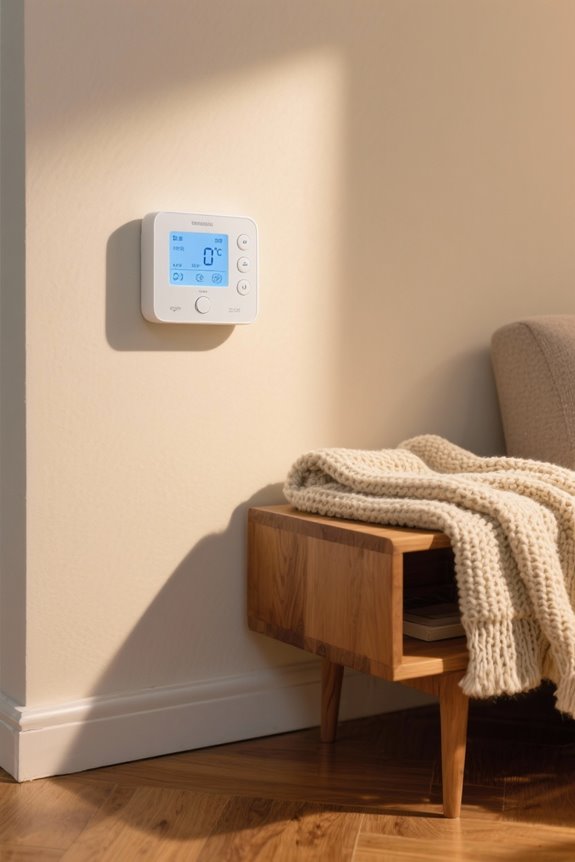
Understanding energy savings with programmable thermostats begins with recognizing their ability to minimize unnecessary energy consumption. These devices adjust temperatures based on user-defined schedules, ensuring heating systems do not operate when homes are empty. Key features contributing to cost efficiency include:
- Automatic Adjustments: They alter temperatures without manual input, saving energy during unoccupied hours.
- Seasonal Adjustments: Homeowners can modify settings as weather changes, further optimizing energy use.
Annual savings can range from 5% to 15% on heating costs, translating to $20 to $80 saved, depending on usage and climate factors. By utilizing programmable thermostats effectively, households can meaningfully reduce energy bills, demonstrating their valuable role in enhancing energy efficiency in residential heating systems. Additionally, implementing energy-saving heaters like the Dreo Quiet Space Heater can further amplify these savings during colder months.
Enhancing HVAC Performance and Longevity
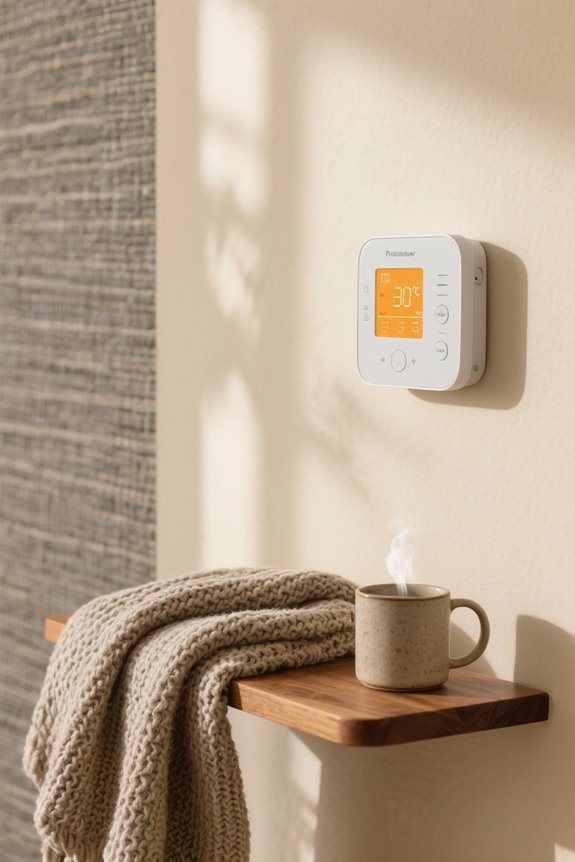
Enhancing HVAC performance and longevity involves implementing strategies that reduce stress on heating and cooling systems. Programmable setback techniques allow for temperature adjustments that give systems periods of rest, reducing wear and tear. This approach minimizes short cycling, which strains mechanical components and heightens the potential for breakdowns.
Key HVAC optimization strategies include:
- Scheduling heating and cooling to align with occupancy, ensuring systems operate only when necessary.
- Utilizing zoning capabilities to control temperatures in different areas, boosting efficiency and comfort.
- Regular maintenance alerts from programmable thermostats remind users to change filters and prevent premature failures. Additionally, natural soy wax candles can contribute to a cleaner air environment, further enhancing indoor air quality while maintaining optimal HVAC performance.
Achieving Custom Comfort With Automated Settings
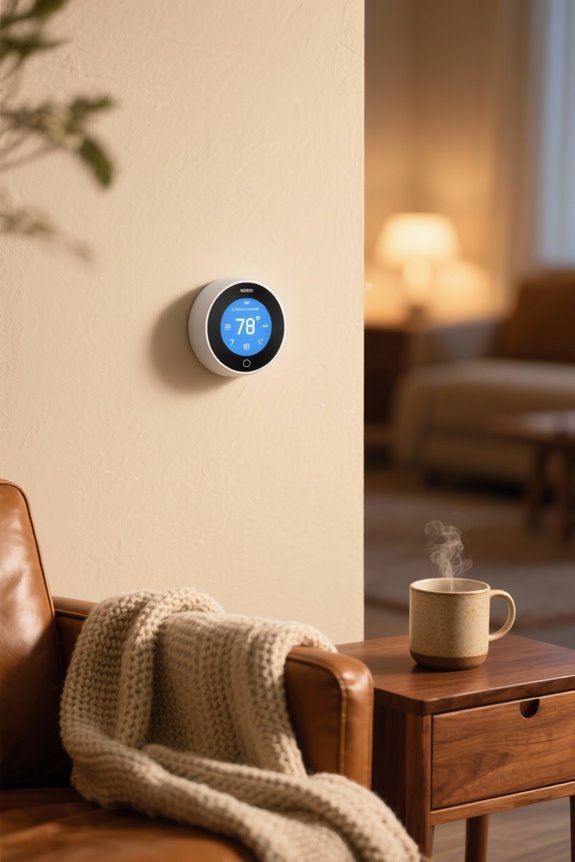
Programmable thermostats provide a way to achieve customized comfort through automated settings, adapting to each household’s specific needs. They allow for custom scheduling, enabling precise temperature adjustments at different times of the day. For instance, homeowners can warm their houses before waking and cool them down at bedtime for better sleep.
Additionally, these thermostats offer adaptive comfort by utilizing sensors to detect occupancy. They adjust heating and cooling based on room use, conserving energy and improving comfort in frequently occupied areas. Moreover, features like digital thermostats can enhance efficiency and facilitate energy savings, making it easier to maintain optimal temperatures without excessive energy consumption.
Advanced Features of Modern Programmable Thermostats
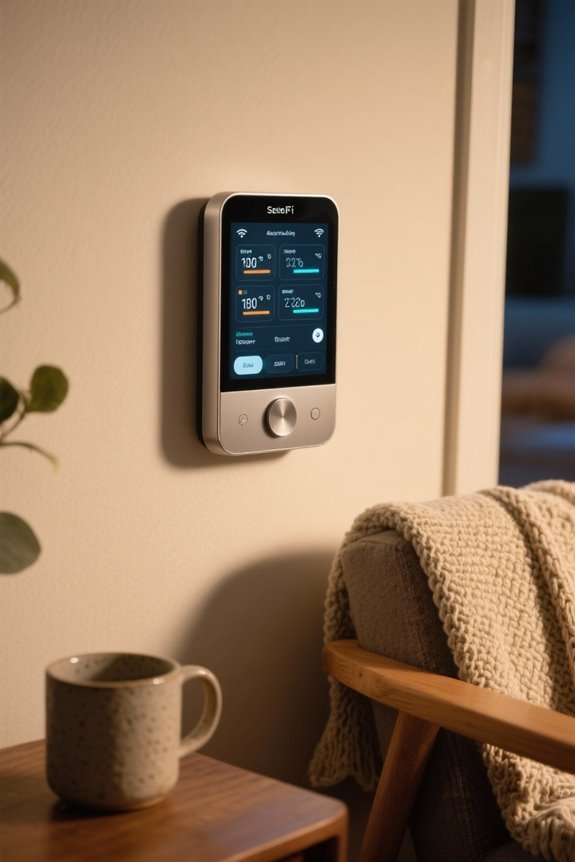
Modern programmable thermostats offer advanced features that enhance user experience and home efficiency. One key innovation is touchscreen technology, providing high-resolution displays with customizable backgrounds and virtual buttons for easy navigation. This design helps users quickly access preferred settings.
Furthermore, voice integration allows hands-free control through popular platforms, like Amazon Alexa and Google Assistant, simplifying adjustments.
Smart connectivity enables remote temperature management via apps on smartphones or tablets, making it easy to control settings from anywhere.
Other features include geofencing, which adjusts temperatures based on residents’ locations, and energy monitoring for tracking usage patterns. These advanced functionalities contribute to an improved comfort level and overall energy savings, making modern thermostats an essential component of modern HVAC systems. Additionally, features like energy monitoring allow users to assess their heating efficiency and make adjustments for further savings.
How Programmable Thermostats Impact the Environment
While many might overlook the significance of programmable thermostats, their capacity to positively influence the environment is remarkable. These devices can greatly reduce household greenhouse emissions by optimizing heating and cooling schedules. When used correctly, programmable thermostats can lead to a reduction in annual greenhouse gas emissions by about 56 billion pounds in the U.S. alone. This reduction is comparable to removing 5 million cars from the road.
Key points regarding their environmental impact include:
- Automation avoids energy waste, especially during unoccupied hours.
- Smart thermostats often achieve energy savings of over 13%.
- Proper programming is essential for maximizing efficiency and actual savings. Additionally, using programmable thermostats in conjunction with energy efficient space heaters can further enhance overall energy savings and performance.
Installation Process and Compatibility Considerations
When considering the installation of a programmable thermostat, several essential steps and compatibility factors must be understood to guarantee a smooth process.
- Preliminary Preparation:
- Turn off power at the circuit breaker.
- Remove the old thermostat, taking care to label wiring.
- Position the new sub-base, marking accurate drill holes.
- Use wall anchors for stability and secure the base with screws.
- Confirm compatibility with existing system voltage.
- Identify the number of connection wires needed, ensuring a C wire if using advanced models.
- Refer to labeled wiring during connections.
- After wiring, restore power and test functionality.
- Intuitive Interfaces: Clear displays and logical navigation help users adjust settings without confusion.
- Simplified Scheduling: Easy-to-follow paths for programming schedules allow for quick setup of common modes like hold and vacation.
- Feedback Mechanisms: User feedback is essential; confirmation indicators reassure users their settings were successfully adjusted.
- Accessibility Features: Touchscreens and appropriately sized buttons improve interaction for users of varying abilities.
- Mobile Control: Some models offer remote access through apps, allowing adjustments from anywhere.
- Remote access via mobile apps for control from anywhere
- Geofencing, which adjusts settings based on user location
- AI integration for fine-tuning schedules
Additionally, understanding energy-efficient models can enhance heater performance significantly, as programmable thermostats can help optimize power consumption based on room temperatures.
Recommended Products

Scheduling your heating/cooling cycles to fit your lifestyle is easy to do, with options to program day-to-day, over the weekend, or for an entire week. .Includes : Package includes thermostat and receiver | Thermostat Type : Programmable

CUSTOMIZE: Choose to receive change air filter reminders and select display settings to optimize this thermostat for home.The RTH20B is a direct replacement for the RTH2300, and replacement for the RTH221 offering 5-2 scheduling

Large touchscreen display makes it easy to set your preferred temperature or set a weekly schedule for automated adjustments.
User-Friendly Designs for Everyday Use
User-friendly designs in programmable thermostats greatly enhance overall usability, making daily interactions more straightforward for users. Key features include:
These elements guarantee thermostat use remains uncomplicated, promoting a positive user experience and maintaining comfort effortlessly. Moreover, incorporating energy-saving modes can further enhance heating efficiency and contribute to lower energy bills.
Recommended Products

COMFORT COMES IN YOUR COLOR. Personalize your Wi-Fi Smart Color Programmable Thermostat to fit your décor.

PRIVACY PROTECTION: Sensi won’t sell your personal information to third parties
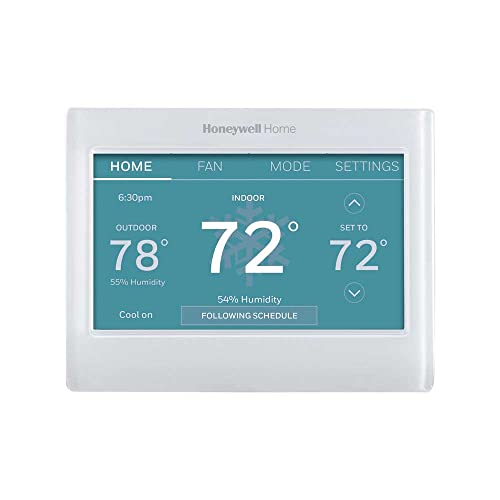
ENERGY STAR certified to help save energy, track your heating and cooling and send personalized tips on reducing energy use..Includes : Thermostat, Wall Plate, Screws, Anchors, Quick Start Guide, Thermostat ID Card, Wire Labels, User Guide
Smart Thermostats: Beyond Basic Programming
Smart thermostats offer advanced features that go beyond basic programming, enhancing both convenience and energy efficiency for users. One key feature is smart scheduling, which allows the device to learn household routines and adjust temperatures accordingly. This capability leads to significant energy optimization, as the thermostat can lower heating costs when the home is empty.
Additional functionalities include:
Moreover, notification systems can alert homeowners about temperature changes or needed maintenance. By incorporating these smart features, thermostats not only improve comfort but also contribute to better energy management and reduced utility bills. Choosing products that are OEKO-TEX certified can ensure that the materials used are safe and environmentally friendly, further enhancing the benefits of a smart home setup.
Recommended Products

PRIVACY PROTECTION*: Sensi won’t sell your personal information to third parties

High use of the scheduling feature of the T5 thermostat saved customers between 8 and 16% on heating and cooling bills. Dollar savings range based on nationwide average annual single-family detached home's heat and cooling bills; actual savings varies based on consumption.
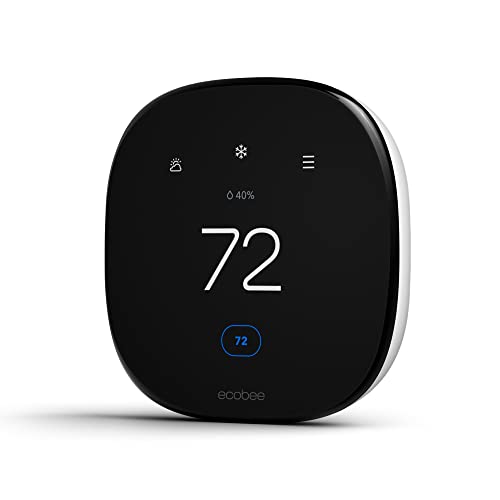
Save up to 26% per year on heating and cooling costs Automatically adjusts the temperature when you’re away to never heat or cool an empty home. Compared to a hold of 72°F
Long-Term Financial Considerations of Programmable Thermostats
Understanding the long-term financial considerations of programmable thermostats is essential for homeowners looking to enhance energy efficiency and reduce costs. These devices can considerably lower heating and cooling expenses, with potential savings ranging from 10% to 33%. Additionally, proper usage provides financial incentives through reduced utility bills, which contributes to increased disposable income.
Another important aspect is the home’s resale value. Buyers often prefer energy-efficient homes, making programmable thermostats an attractive feature. Though initial costs may vary, the potential for long-term savings and added value can justify the investment. Homeowners should prioritize consistent programming and maintenance to maximize these benefits. Overall, programmable thermostats serve as a long-term financial strategy that can yield substantial returns, particularly when combined with energy efficiency ratings that reflect their impact on utility costs.
Frequently Asked Questions
Can I Control My Thermostat Remotely While Traveling?
Yes, remote access allows users to control thermostats while traveling, enhancing travel convenience. In contrast, traditional models lack this feature, requiring physical presence for adjustments. Smart thermostats facilitate effortless temperature management from anywhere with internet connectivity.
What Happens During a Power Outage?
During a power outage, temperature fluctuations can occur. After power restoration, thermostats typically resume previous settings, though clocks may require resetting. Manual intervention might be needed to restart systems, ensuring continued comfort and efficiency.
Are There Any Tax Credits for Installing Programmable Thermostats?
In 2026, there are no federal tax incentives for installing programmable thermostats, despite their potential for energy savings. Homeowners may explore local utility rebates instead, as federal credits focus solely on larger HVAC system upgrades.
How Do Programmable Thermostats Affect Air Quality?
In a world where air pollutants dance like unwelcome guests, programmable thermostats come as the diligent bouncers, expertly regulating temperature while ensuring breathing space remains pristine, showcasing their prowess in air quality management.
Can I Replace My Old Thermostat With a Smart Model?
Yes, one can replace an old thermostat with a smart model. The installation process is generally straightforward, enabling access to smart features that enhance energy efficiency, control, and indoor air quality management for improved comfort.