As an Amazon Associate, we earn from qualifying purchases. Some links on this site are affiliate links at no extra cost to you. Our recommendations are based on thorough research and editorial judgment.


Winter Bedding Care And Storage

Caring for winter bedding involves proper washing and storage techniques. Wash sheets and comforters regularly, using warm or cold water and mild detergents. Avoid fabric softeners, which can impair breathability. Store bedding in breathable containers, guaranteeing a cool, dry environment to prevent mildew. Regular rotation of items helps maintain comfort and hygiene. Additionally, using protective covers can extend the lifespan of mattresses. Following these guidelines guarantees bedding remains fresh and clean. More insights await in the following sections.
Key Takeaways
- Ensure bedding is thoroughly dried before storage to prevent mildew and odors.
- Use breathable storage containers, like cotton bags or vacuum-sealed bags, to protect against dust and moisture.
- Maintain indoor humidity between 30% and 50% to minimize moisture buildup and damage to bedding.
- Store bedding in a temperature-controlled environment to preserve fabric quality and prevent deterioration.
- Regularly rotate and wash bedding to optimize longevity and maintain cleanliness throughout the winter months.
Washing Frequency for Bedding
You may be interested

10 Best Down Comforters for Ultimate Cozy Comfort This Winter
November 1, 2025


How often should bedding be washed to maintain cleanliness and hygiene? It is generally recommended that sheets and pillowcases be washed at least once a week. Regular washing aids in removing oils, dirt, and dead skin buildup. Individuals who sweat at night, have allergies, or sleep with pets may require more frequent washing. For duvets and comforters, a washing frequency of once every three months is advisable, with additional care suggested for duvet covers. Proper bedding maintenance can also include:
- Pre-treating stains for effective cleaning.
- Using mild detergents to protect fabric.
- Avoiding overloading the washing machine for thorough rinsing. Maintaining these washing methods guarantees a hygienic sleep environment and reduces allergens for a healthier rest. Additionally, consider the care options for different comforters to ensure they remain in good condition.
Water Temperature Guidelines

When it comes to washing winter bedding, proper water temperature is essential for both cleanliness and fabric care. Choosing the right water temperature helps preserve the quality of the materials. Here are some key points to evaluate:
- General Recommendations: Warm or cold water is typically suitable, especially for heavier fabrics.
- Delicate Fabrics: Cold water is crucial for protecting delicate materials, such as silk and wool, which are prone to fabric damage.
- Stain Removal: For tough stains, hot water may be necessary but can increase the risk of color fading.
- Energy Efficiency: Cold water reduces energy consumption and is more environmentally friendly.
- Microbial Control: While hot water can be effective for sanitization, cold water combined with the right detergent can also achieve cleanliness. Additionally, mattress protectors can enhance hygiene by reducing allergens and bacteria during washing.
Choosing the Right Detergent

Choosing the right detergent is essential for maintaining the quality and lifespan of winter bedding. Numerous detergent reviews highlight effective options. Eco-friendly choices, such as Puracy Fresh Linen Natural Liquid Laundry Detergent, contain 99.5% natural ingredients, making them perfect for sensitive skin. Method Liquid Detergent, recognized for its stain removal capabilities, features biodegradable ingredients and eco-conscious packaging. For luxury fabrics, LeBlanc Linen Wash offers a pH-neutral formula without harsh chemicals. Additionally, Dedtergent Milk provides softening benefits, while Omo detergents excel in front-loading machines, albeit at a higher cost. Opting for concentrated varieties can also reduce waste and enhance cleaning efficiency, supporting environmental sustainability while ensuring bedding stays fresh and clean throughout the winter season. It’s also important to regularly check your heaters for safety features to maintain a warm and safe sleeping environment.
Recommended Products

One 105 fl oz bottle of ARM & HAMMER Sensitive Skin Laundry Detergent, Fresh Scent Liquid Laundry Detergent that cleans 105 medium loads when used as directed

One 105 fl oz bottle of ARM & HAMMER Sensitive Skin Free & Clear Liquid Laundry Detergent, Free and Clear Detergent that cleans 105 medium loads when used as directed
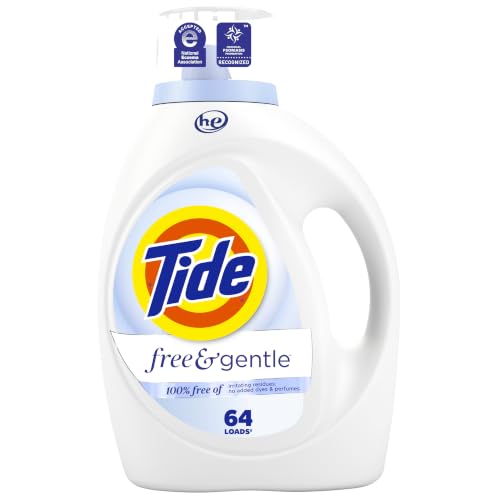
DEEP CLEAN: Designed to provide a deep clean that is gentle on skin and removes more stains than the leading Free detergent
Special Care for Different Materials

Recommended Products

FOUR HANDLES FOR CARRYING AND LIFTING: A VeraMia woven zipper storage bag comes with 4 handy handles! Use side handle to lift from wardrobe, top handles to carry if moving your large canvas bag around. Easy to use large storage bags for bedding, clothing, heavy linens or travel air mattress storage!
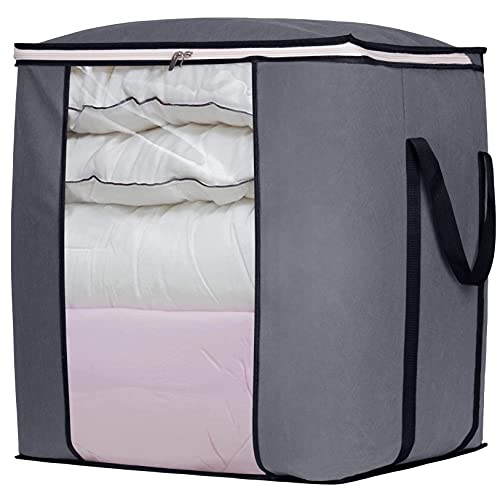
120L oversized blanket storage bag is spacious enough to hold 2 king size comforters + 2 pillows in a bag, fit nice and snug and still have room left over, the size is: 20 L X 16.1 W X 22.3 H.

✔️ EASY COMFORTER STORAGE - Simply fold and fill your items in our mold, dust, and insect proof bags; Our breathable oxford fabric is also machine washable; Compare with "non-woven fabric" (cheaper material that isn't washable and won't last long)
Special Care for Different Materials
Special care for different bedding materials is essential to secure longevity and comfort during the winter months.
- Wool Bedding: Wash in cold or warm water with wool-specific detergents. Air dry flat to maintain shape and avoid mildew by storing in breathable bags.
- Cotton Bedding: Use mild detergents, washing in warm or cold water to prevent shrinkage. Secure thorough drying to avoid mildew, and store in breathable containers.
- Synthetic Fibers (e.g., Polyester): These materials tolerate frequent washing. Use mild detergents and avoid fabric softeners. Store in dry, breathable bags.
- Fleece Blankets: Wash gently in cold water, using mild detergents. Air drying is recommended to maintain softness.
- Mattress Protectors: Follow manufacturer care instructions for best results, securing that they remain fresh and effective. Proper care can enhance the durability of materials used in heated bedding options.
The Importance of Avoiding Fabric Softeners

Why should fabric softeners be avoided in winter bedding care? Fabric softeners can create a chemical coating on fibers, which reduces breathability and moisture-wicking abilities. This impairment may lead to discomfort as trapped sweat can foster bacterial growth. Additionally, residues from softeners can compromise the safety and effectiveness of flame-retardant properties in bedding, particularly for children’s sleepwear. Choosing fabric softener alternatives, like vinegar or baking soda, can mitigate these issues while promoting better fabric longevity. Furthermore, the environmental impact of softeners is concerning; residual chemicals from laundering can pollute water systems. By avoiding these products, individuals can protect their bedding’s integrity, enhance comfort, and contribute to a healthier environment. Also, selecting fire-resistant materials for your bedding can further enhance safety and comfort during nighttime.
Maintaining Blanket Quality
Maintaining blanket quality is essential for guaranteeing comfort and longevity throughout the winter months. Proper care techniques vary based on the blanket type.
- Wool Blankets: Hand wash or use a gentle cycle in cold water to protect the blanket texture. Dry flat, avoiding sunlight.
- Down Blankets: A front-loading machine with mild detergent helps maintain loft. Dry on low heat to prevent mildew.
- Fleece Blankets: Machine wash in cold and tumble dry on low to keep the fabric’s softness intact.
- Heated Blankets: Soaking in lukewarm water is recommended, followed by thorough drying to guarantee safety. The materials used in heated blankets, such as soft coral fleece, contribute to overall comfort and a cozy sleeping environment.
Regular maintenance practices, like brushing wool or using vacuum storage for down, enhance fabric longevity and blanket texture, making them last through many winters.
Best Practices for Comforters and Duvets
Comforters and duvets play an essential role in creating a cozy winter environment. Proper maintenance is vital for comforter types, such as down, cotton, or synthetic, as each has unique care requirements. Washing comforters with duvet covers should occur 2-3 times a year, while uncovered ones need monthly washing. Duvet covers require more frequent cleaning, about every 1-2 weeks. A careful washing technique includes using mild detergents and gentle cycles to preserve materials. For drying, adopting low heat settings or air drying maintains the loft of the filling. Regular fluffing and airing out before winter use guarantees warmth and comfort. Following these practices maximizes duvet benefits while prolonging the life of bedding. Additionally, selecting machine washable comforters ensures ease of care and maintenance throughout the seasons.
Proper Storage Solutions for Winter Bedding
After confirming that comforters and duvets are well cared for, attention turns to proper storage solutions for winter bedding. Effective storage helps maintain the quality during seasonal rotation.
Recommended Storage Locations:
- Linen Closets: Provide air circulation with built-in shelving.
- Under the Bed: Cool, dry spots are ideal when using breathable storage bags.
- Temperature-Controlled Closets: Maintain a consistent environment.
Suggested Storage Containers:
- Breathable Storage Bins: Promote airflow and prevent mildew.
- Cotton Storage Bags: Protect against dust.
- Vacuum-Sealed Bags: Compress bulky items without trapping moisture.
Storage Considerations:
- Verify ventilation to avoid moisture buildup.
- Protect fabrics from light to prevent fading. Additionally, ensure that bedding is stored in a way that maintains its thread count for optimal comfort and longevity.
These solutions enhance the longevity and freshness of winter bedding.
Recommended Products

Spacious & Versatile Design: This comforter storage bag organizer is perfectly sized to fit your king-size comforters, pillows, and blankets. Whether you need linen storage bags for bedding, pillow storage bags with zippers, or quilt storage bags with zippers, this bag accommodates it all. It’s an ideal bedding organizer storage solution that keeps your linens neatly organized and easily accessible.

34-Gallon (128L) Extra Large Capacity: Measuring 29"L x 17.5"W x 15.5"H, this white storage bag offers ample space for comforters, blankets, pillows, seasonal clothing, and bulky bedding, helping you maximize closet, attic, or dorm storage.

LARGER CAPACITY: Extra-large 2pcs120L storage bag can hold 4 king size comforters and 4 pillows with room to spare. Measures 19.7 L X 15.6 W X 23.6 H.
Preventing Moisture and Damage
How can one effectively prevent moisture and damage to winter bedding? Maintaining proper indoor humidity levels between 30% and 50% is essential. Using a dehumidifier, along with effective bedding ventilation techniques like open windows or air circulation, helps reduce excess moisture. Additionally, keeping bedding off cold floors limits moisture transfer from below.
Choosing appropriate fabrics also plays a significant role. Natural fibers, such as cotton and wool, are more breathable and absorb moisture better than synthetics. Employing moisture barrier materials, like waterproof mattress protectors, shields bedding from spills and sweat. Finally, thoroughly drying bedding before storage and using breathable, moisture-resistant containers prevents mildew formation, ensuring that winter bedding remains fresh and dry throughout the colder months. Proper sizing is key to maintaining the comfort and effectiveness of bedding throughout the winter season.
Extending the Lifespan of Bedding
Extending the lifespan of bedding requires careful attention and consistent maintenance to guarantee longevity and comfort. Implementing effective bedding longevity strategies can greatly enhance the durability of bedding items.
- Cleaning: Launder sheets and pillowcases regularly and avoid harsh detergents. For comforters and duvets, wash biannually to eliminate allergens.
- Storage: Keep bedding dry in a cool area. Use breathable bags instead of plastic, and avoid compressing items.
- Maintenance: Fluff pillows and comforters weekly to maintain their shape. Use dryer balls to rejuvenate fills. Moisture-wicking and breathable options can further aid in keeping bedding fresh.
- Material Selection: Opt for natural fabrics and high-quality fills, as they last longer.
Adhering to these fabric care techniques helps preserve bedding, ensuring it remains comfortable and effective for years.
Regular Rotation of Bedding Items
Regular rotation of bedding items plays a significant role in maintaining both comfort and hygiene. Benefits of rotation include seasonal adjustments that optimize fabric weight, guaranteeing the right temperature for restful sleep. This practice also aids in allergen management by reducing dust mites and bacteria buildup. Hygiene is enhanced, supporting better sleep quality and overall wellness.
To achieve an aesthetic refresh, consider changing your bedding colors and textures seasonally. Rotating sheets weekly, while swapping heavier bedding with each major season change, keeps the sleeping environment inviting. Pillowcases should be changed even more frequently due to direct skin contact. By organizing stored bedding effectively, users can guarantee balanced usage and maintain their bedding’s freshness and comfort throughout the year.
Airing Out Bedding to Maintain Freshness
Airing out bedding is essential for maintaining freshness and prolonging the life of textiles. Regularly exposing bedding to fresh air can greatly improve air quality and reduce odors. Here are some effective practices:
- Daily Ventilation: Pull back covers for 15 to 30 minutes to release moisture.
- Shake and Fluff: Shake bedding outdoors and fluff pillows to prevent clumping.
- Direct Sunlight: Use sunny spots to eliminate bacteria and freshen fabric.
- Air in Dry Weather: Air bedding during dry days to avoid moisture build-up.
- Baking Soda: Sprinkle baking soda to absorb odors before vacuuming it off.
Implementing these techniques aids in preserving bedding freshness, reducing allergens, and prolonging overall textile quality.
Protective Covers for Enhanced Longevity
Protective covers play an essential role in enhancing the longevity of bedding. Among these, mattress protectors are crucial, serving multiple purposes. They act as barriers against spills, stains, and allergens, thereby maintaining a healthier sleep environment. These protectors can also help prolong the life of your mattress by reducing wear and tear.
Additionally, many mattress warranties require the use of a protector for warranty coverage. Without one, stains or other damages could void the warranty.
Types of mattress protectors include:
- Encasement covers for full protection
- Fitted sheet-style protectors for ease of use
- Waterproof protectors for liquid concerns
Regular washing of these covers improves hygiene, ensuring a clean sleeping surface while safeguarding the mattress investment.
Tips for Cleaning and Drying Bedding Effectively
Maintaining clean and dry bedding contributes considerably to a comfortable sleeping environment. Effective cleaning techniques start with removing all accessories and shaking out pillows and comforters to dislodge dust. Sorting items by fabric type is essential; some require hand-washing, while others can be machine-washed. Using mild, eco-friendly detergent and avoiding hot water will help preserve fabric integrity.
When it comes to drying methods, there are two main approaches. For air drying, utilize the “three-hanger method” for sheets and guarantee maximum airflow. Alternatively, if using a dryer, select low or medium heat settings, and include dryer balls to maintain fluffiness. Always verify bedding is completely dry before storage to prevent mildew and maintain freshness.
Frequently Asked Questions
How Can I Determine if My Bedding Needs Washing?
Like a weary traveler, bedding reveals its journey through persistent odors and visible stains. When the scent of discomfort lingers, or texture turns coarse, the signal is clear: increase washing frequency to restore freshness.
What Should I Do if My Blanket Shrinks in the Wash?
If a blanket shrinks in the wash, one may attempt pre-shrink treatment by gently stretching it while damp, using a low washing temperature in future washes to prevent further shrinkage and maintain its size.
Can I Use Essential Oils for Freshening up Bedding?
“Where there’s smoke, there’s fire.” Essential oils can effectively freshen bedding, providing essential oil benefits such as reduced allergens and pleasant scents, serving as eco-friendly laundry alternatives, while enhancing the overall sleeping environment and promoting relaxation.
How Do I Prevent Static in My Winter Bedding?
To prevent static in winter bedding, one can use anti-static spray to neutralize charges and reduce friction. Additionally, maintaining indoor humidity and using natural fibers help minimize static electricity buildup for improved comfort.
When Is the Best Time to Replace Old Bedding?
The best time to replace old bedding is typically every 3 to 5 years for high-quality materials. Regular use and signs of wear indicate the bedding lifespan is nearing its end, necessitating timely updates.