As an Amazon Associate, we earn from qualifying purchases. Some links on this site are affiliate links at no extra cost to you. Our recommendations are based on thorough research and editorial judgment.


Dry Indoor Air In Winter: Main Causes

Dry indoor air in winter is caused by several factors. First, cold outdoor air contains less moisture. Second, indoor heating systems, such as furnaces, remove humidity by circulating dry air. Third, poor insulation allows cold air to infiltrate, displacing warm humidity. Additionally, inadequate moisture sources exacerbate dryness. Finally, tight sealing often limits ventilation, trapping indoor pollutants. Overall, these elements lead to discomfort and health issues. For further insights on combating dry air, there is more to explore.
Key Takeaways
- Cold outdoor air has low moisture content, leading to dry indoor conditions when it enters homes.
- Indoor heating systems like furnaces circulate air, which decreases moisture levels.
- Combustion heating methods consume water vapor, lowering indoor humidity further.
- Poor insulation allows cold air to infiltrate, replacing warm, humid air inside.
- Air leakage around windows and doors exacerbates moisture loss in winter.
Cold Outdoor Air Low Moisture Content
You may be interested

Aromatherapy With Humidifiers: Safety Tips
October 30, 2025
Cold outdoor air is inherently low in moisture content, which greatly impacts indoor environments during winter months. This phenomenon occurs because cold air holds less water vapor than warm air. Although outdoor conditions may show high relative humidity, the absolute moisture content remains low at cold temperatures. When this cold air enters a warmer indoor space, the moisture levels drop considerably.
Key points regarding moisture content in cold air include:
- Absolute moisture content is the true measure of water vapor.
- Indoor humidity often drops to uncomfortable levels between 20-40%.
- Air exchanges replace moister indoor air with dry cold air.
These factors contribute to dry indoor conditions, affecting comfort and even leading to issues like skin irritation or static electricity. High-quality humidifiers for small rooms can be an effective solution to mitigate these discomforts.
Indoor Heating Systems Dry Air
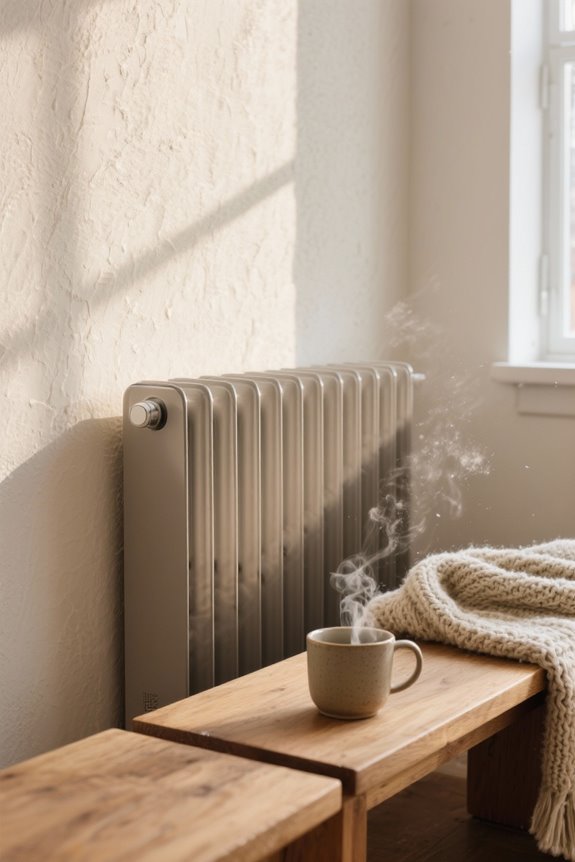
Various indoor heating systems can considerably contribute to dry air in homes during winter months. These systems, such as furnaces and forced-air units, operate by circulating air over hot coils. This heat causes water vapor in the air to evaporate, decreasing humidity levels. The rapid airflow created by forced-air systems can exacerbate moisture loss from indoor surfaces, leading to unbalanced humidity. Additionally, combustion heating inherently consumes water vapor, further lowering indoor relative humidity. Extended operation of these systems results in consistent low moisture levels, negatively impacting comfort and health. Maintaining heating efficiency while ensuring a proper humidity balance is essential. Utilizing humidifiers and optimizing airflow can help mitigate dryness and create a more comfortable indoor environment. Humidifiers for asthma can be particularly beneficial in maintaining adequate moisture levels during winter.
Recommended Products

[𝗟𝗮𝗿𝗴𝗲 𝗖𝗮𝗽𝗮𝗰𝗶𝘁𝘆 & 𝗟𝗲𝗮𝗸𝗮𝗴𝗲 & 𝗧𝗼𝗽 𝗙𝗶𝗹𝗹𝗶𝗻𝗴 𝗗𝗲𝘀𝗶𝗴𝗻] Our humidifier boasts a removable 8L (2.1Gal) large capacity tank, featuring a top-filling design that eliminates leakage issues and simplifies the refilling process. With a single refill, it can continuously run for up to 48 hrs. The high moisture output of 300mL/h is designed to humidify an area of up to 800 sq.ft, the best choice for whole-house humidification, suitable for home, dorms, and living rooms.

[Smart Humidifiers with Humidistat] This humidifier for large rooms allows you to customize the humidity level from 40% to 90%. The built-in humidistat sensor can monitor and detect the ambient humidity value (error ±5%). When the desired humidity level is reached, the mist output will stop to avoid over-humidification. The plant humidifier also features 4 Speed mist & Intermittent mist (30s 60s 90s), making it suitable for different spaces and humidity needs.
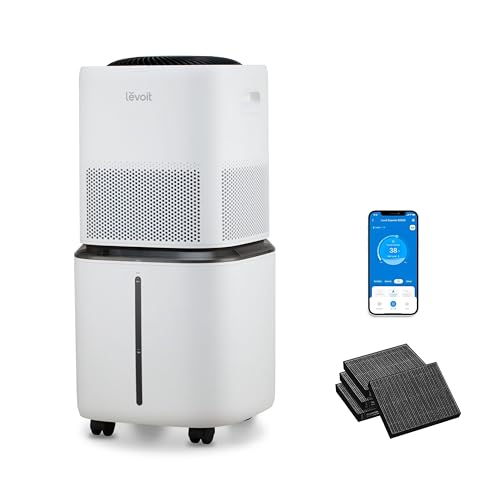
𝙒𝙝𝙤𝙡𝙚-𝙃𝙤𝙢𝙚 𝘾𝙤𝙫𝙚𝙧𝙖𝙜𝙚: Covers up to 3,000 ft² with a powerful 1,500 mL/h output, quickly raise humidity from 30–60% for fast, even moisture throughout large rooms
Poor Home Insulation and Air Leakage
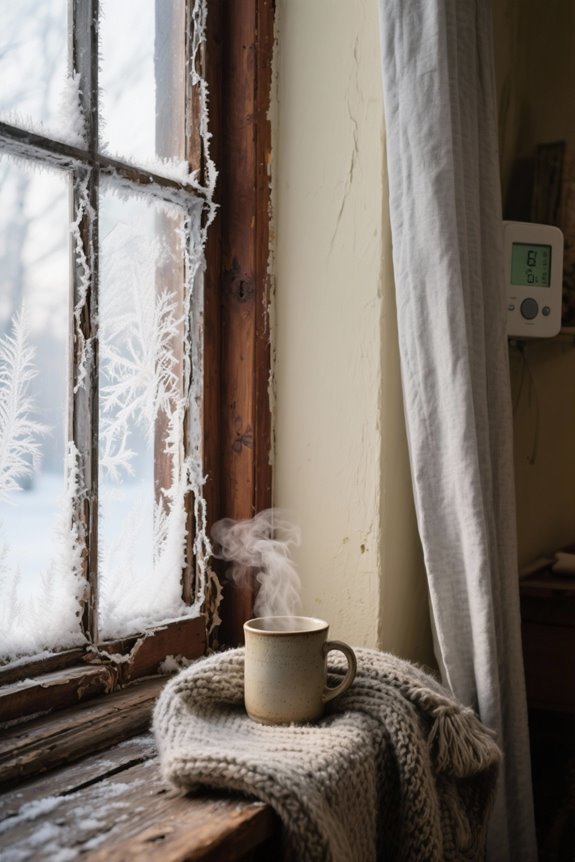
Indoor heating systems, while essential for maintaining warmth during winter, can amplify the effects of poor home insulation and air leakage. Many U.S. homes lack proper insulation types, leading to significant heat loss and increased air exchange. Cold outdoor air infiltrates through leaks, displacing warm, humid air and reducing indoor humidity.
Key points to evaluate include:
- Common air leakage pathways are windows, doors, and attics, which often lead to 7–12 air changes per hour.
- Poor insulation allows cold surfaces to lower indoor temperatures, causing moisture loss.
- Air sealing techniques, like weatherstripping and caulk, can effectively close these gaps. Additionally, using insulation with a high R-value can significantly bolster energy efficiency in the home.
Recommended Products

Upgraded Wedge Design: This window draft stopper features an upgraded wedge design, tapering from 5/32" to 11/32" (0.16"–0.35") to fit a wide variety of gap sizes. Ideal for use on various doors and windows

Extra Long Size: You'll get a 33FT door weather stripping (1/2in x 1/4in). Easy to install, no tools needed, cut to any length

Strong Adhesive, Saves Money】Weather stripping door seal prevent heat and cold from escaping, save your heating and cooling bills. block noise, super adhesive, durable, not easy to degumming, easy to install
Lack of Indoor Moisture Sources and Humidity Control
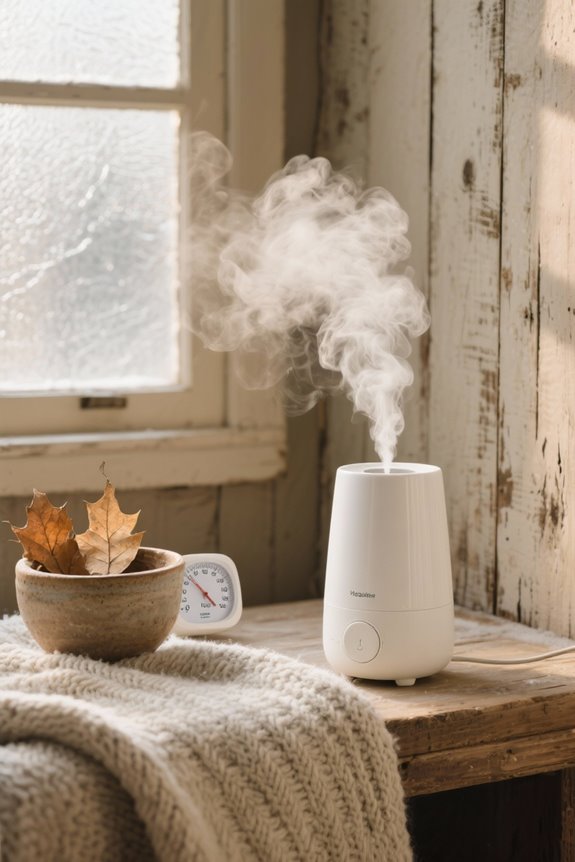
Maintaining appropriate indoor humidity levels can be challenging during winter, particularly due to a lack of effective moisture sources and humidity control systems. This moisture imbalance often results in uncomfortable dry air.
- Internal activities, such as cooking, bathing, and drying clothes, can contribute to humidity. However, many homes lack efficient methods to regulate this moisture.
- Without proper humidifiers, indoor humidity may fall below the recommended 30-50% range.
- Additionally, inadequate monitoring tools can lead to ineffective humidity regulation, exacerbating dryness.
- Homes without energy recovery ventilators fail to retain necessary moisture during ventilation, increasing the issue.
Together, these factors hinder maintaining ideal indoor humidity, affecting both comfort and air quality during the cold winter months. Incorporating effective humidifiers can significantly improve indoor humidity levels and enhance overall air quality.
Recommended Products

BUY WITH CONFIDENCE This humidifier was designed and manufactured in the USA by AprilAire – the inventor of the whole home evaporative humidifier, and the leader in indoor air quality solutions

【Commercial Humidifier with 10-Core Atomizer】This 30L/7.93Gal large humidifier features 10 stainless steel atomizers for high-efficiency mist output. These whole house humidifiers delivers up to 4000ml/h to rapidly humidify areas up to 5000 sq ft, making it ideal for warehouses, greenhouses, and offices too. Offers 3 mist levels (low/medium/high) and provides over 32 hours of continuous operation, ensuring lasting comfort and stable humidity for any environment.

𝙎𝙪𝙥𝙚𝙧-𝙡𝙤𝙣𝙜 100 𝙃𝙤𝙪𝙧𝙨, 𝙀𝙣𝙘𝙤𝙪𝙣𝙩𝙚𝙧 𝙔𝙤𝙪𝙧 𝙊𝙖𝙨𝙞𝙨: Maximize your time and minimize refills with the humidifier's extended 100-hour runtime, allowing you to focus on what you love
Physical and Structural Effects of Dry Air

How does dry air physically affect homes and their contents? Dry indoor air leads to several structural issues. Wood deformation is common, as moisture loss causes shrinkage, cracking, and warping in floors and furniture. Paint and wallpaper also suffer; they can dry out quickly, resulting in peeling and flaking.
Additionally, dry air impacts sealing materials, leading to cracks around windows and doors. This undermines insulation effectiveness and can increase energy costs.
Moreover, the presence of dry air can worsen indoor air quality. Increased static electricity attracts dust particles, while dried surfaces can shed more micro-debris into the air. These issues collectively affect overall comfort and maintenance needs within the home. Using a console humidifier can help mitigate these effects by maintaining optimal humidity levels and improving overall air quality.
Health Impacts of Dry Indoor Winter Air
Dry indoor air not only affects the physical structure of homes but also poses various health risks to individuals. Low humidity can lead to significant issues affecting eye health and respiratory wellness.
- Eye Health: The dryness can cause irritated, dry eyes, which may lead to discomfort and even infections.
- Respiratory Issues: It exacerbates conditions like asthma and sinusitis by drying out mucous membranes, reducing their ability to trap pathogens.
- Infection Risk: Dry air extends the lifespan of airborne viruses, increasing the chance of respiratory infections.
- Skin Effects: Individuals may experience dry skin, leading to itchiness and irritation.
To mitigate these effects, using a humidifier and maintaining hydration can be beneficial strategies for improving indoor air quality. Furthermore, a filter-free design in some humidifiers can enhance user convenience and maintenance ease.
Inadequate Ventilation and Air Circulation
While wintertime brings cozy indoor settings, it often leads to inadequate ventilation and poor air circulation in homes. Many homes are sealed tightly to conserve heat, creating ventilation challenges that impede fresh air exchange. This lack of airflow can result in indoor pollutants like dust, VOCs, and allergens accumulating, negatively affecting air quality.
Key factors include:
- Stack Effect: Warm air rises, pulling potentially contaminated basement air into living spaces.
- Mechanical Ventilation: Reduced use of exhaust fans leads to poor pollutant extraction.
- Closed Windows and Doors: These limit natural air exchange and create stagnant conditions. Regular cleaning of humidifiers can further improve indoor air quality and reduce pollutants.
Overheating and Its Consequences
Overheating in winter, caused by the excessive use of heating systems, can lead to several uncomfortable and health-related issues. Incorrect thermostat settings often result in overly warm indoor environments, greatly lowering humidity levels. This dryness can cause:
- Skin irritation and dry eyes
- Increased risks of respiratory infections
- Dust and allergens circulating in the air
Common thermostat mistakes include setting temperatures above 70°F (21°C), which exacerbates moisture loss. Effective heating strategies, like reducing thermostat levels to 68°F (20°C), can help moderate drying effects. Additionally, over-reliance on space heaters can create localized overheating, worsening air quality. Maintaining a suitable temperature and humidity balance is essential for comfort and health during the winter months. Moreover, using a humidifier with essential oils can significantly enhance air quality benefits, providing therapeutic effects and improving overall well-being.
Recommended Products

Top selling essential oils set: We create our essential oils using rigorously tested ingredients. Top blends, make pampering a luxurious experience with our set of 6 10ml oils. Perfect for blending to make candle making scents, making DIY soap scents or a unique aromatherapy experience. Join 170,000+ customers who love our essential oils for diy crafts, aromatherapy and candle making!

Essential Oil Blends: Introduce the long-lasting, pleasant, and relaxing aroma to your home with our Well-being aromatherapy diffuser oils set! Happy, Calm Mind, Air Freshening, Relax, Immunity, and Sweet Dreams inclued for your well-being and happy life

Premium Essential Oils Set with Top 15 Blends for Diffusers: Crafted with rigorously tested ingredients, our Wtrcsv set includes 15 versatile 5ml organic essential oils—Cinnamon, Lemon, Eucalyptus, Bergamot, Lavender, Jasmine, Lemongrass, Peppermint, Sweet Orange, Grapefruit, Rosemary, Rose, Tea tree, Chamomile, Ylang Ylang—ideal for aromatherapy, home care, or creating custom candle&Soap&perfume making scents. Elevate your space with vibrant fragrance blends for humidifiers, massage oils, or DIY bath bombs. Join countless customers who trust our oils for wellness and creativity!
Seasonal Changes in Humidity Levels
Cold weather brings noticeable changes in indoor humidity levels, which can greatly affect comfort and health. During winter, cold air holds less moisture, resulting in indoor humidity levels that often fall between 25% and 35%. Additionally, heating systems further dry out the air as they operate.
Regular use of humidity monitors is essential to maintain ideal indoor humidity levels of 30% to 50%. Low humidity can lead to issues like dry skin, irritated respiratory systems, and increased static electricity. While reduced humidity helps prevent condensation, it limits moisture absorption in the air. To enhance indoor comfort, homeowners should be proactive in monitoring and managing humidity levels, ensuring a balanced indoor environment during the winter months. Incorporating humidifiers for dry skin can significantly improve air moisture and skin hydration.
Building Materials and Their Responsiveness to Dry Air
Building materials often respond markedly to dry indoor air, especially during the winter months. Wood, being hygroscopic, releases moisture, leading to shrinkage and joint separation. This affects structural integrity, resulting in visible gaps and potential cracking. Additionally, when wood dries excessively, it may warp, causing further deformation.
Concrete and drywall can also suffer; dry air may accelerate chemical degradation, weakening overall resilience. Other materials, like paint and wallpaper, can crack and bubble due to moisture absorption issues.
Consequently, prolonged exposure to low humidity may open pathways for air infiltration, impairing indoor air quality. Understanding these dynamics helps in maintaining a healthy indoor environment and preserving the longevity of building materials, ultimately ensuring ideal structural integrity. Moreover, using a mini space heater can help reduce electric bills by efficiently heating specific areas, assisting in maintaining appropriate humidity levels.
Frequently Asked Questions
How Can I Measure Indoor Humidity Levels Accurately?
To measure indoor humidity levels accurately, one should use a reliable humidity gauge, preferably a digital hygrometer or professional-grade humidity measuring device, ensuring proper calibration and maintenance for ideal precision and reliability.
What Are the Best Humidifiers for Winter Use?
The best humidifiers for winter use include ultrasonic humidifiers, known for their quiet operation and energy efficiency, and evaporative humidifiers, which provide balanced humidity by wicking water without the risk of over-saturation.
Can Houseplants Help Improve Indoor Humidity?
Research indicates that indoor humidity levels can rise from 29.1% to 49.2% with houseplants present. Consequently, houseplant benefits extend beyond aesthetics, effectively improving indoor humidity and promoting a healthier environment, especially in dry conditions.
What Symptoms Indicate My Home Is Too Dry?
Dry air symptoms often manifest as skin irritations, respiratory issues, and general indoor discomfort. Frequent headaches, itchiness, and even static shocks may indicate that a home’s humidity levels are uncomfortably low, warranting attention.
How Often Should I Check My Home’s Insulation?
Homeowners should check their insulation at least once every three years to guarantee energy efficiency. Annual inspections are advisable for effective insulation maintenance, allowing for early detection of potential issues and enhancing overall home performance.