As an Amazon Associate, we earn from qualifying purchases. Some links on this site are affiliate links at no extra cost to you. Our recommendations are based on thorough research and editorial judgment.

Ideal Winter Humidity Levels: What To Know

Maintaining ideal winter humidity levels is essential for health and comfort. Recommended indoor humidity ranges are generally between 30% and 40%, though up to 50% is often acceptable. Low humidity can lead to dry skin, respiratory issues, and increased virus survival. Conversely, high humidity can promote mold growth and respiratory problems. To control humidity, consider using dehumidifiers, opening windows, or utilizing exhaust fans. For a deeper understanding of effective strategies and regional variations, more information is available.
Key Takeaways
- Ideal indoor winter humidity levels range from 30% to 40% relative humidity for optimal comfort and health.
- Maintaining humidity above 30% helps reduce respiratory issues and skin discomfort.
- High humidity levels above 40% can lead to mold growth and damage to indoor structures.
- Using hygrometers and dehumidifiers aids in monitoring and controlling indoor humidity effectively.
- Proper humidity balance supports overall health, reducing the spread of viruses and respiratory infections.
Understanding Ideal Winter Humidity Ranges
You may be interested
10 Best Fill Humidifiers of 2026 – Stay Comfortable All Year Round
November 20, 2025

Aromatherapy With Humidifiers: Safety Tips
November 20, 2025
Understanding ideal winter humidity ranges is vital for maintaining a comfortable and healthy indoor environment. The recommended level is typically between 30% and 40% relative humidity (RH). This balance helps prevent condensation on windows and reduces the risk of mold growth.
Key points to ponder include:
- Some sources extend the range from 30% to 50% RH, noting increasing risks above 40%.
- Humidity measurement tools, like hygrometers, are essential for accurate monitoring.
- Indoor air tends to be drier in winter due to external conditions, complicating moisture retention.
- Maintaining levels above 30% safeguards skin, respiratory health, and wooden furnishings. Additionally, utilizing night light humidifiers can help achieve and maintain these ideal humidity levels effectively.
Recommended Products

Wellness Indicator: This humidity meter with humidity level icon indicates air conditions - DRY/COMFORT/WET, allowing this humidity sensor to ensure you’re always aware of changes to your home/household with just a quick glance
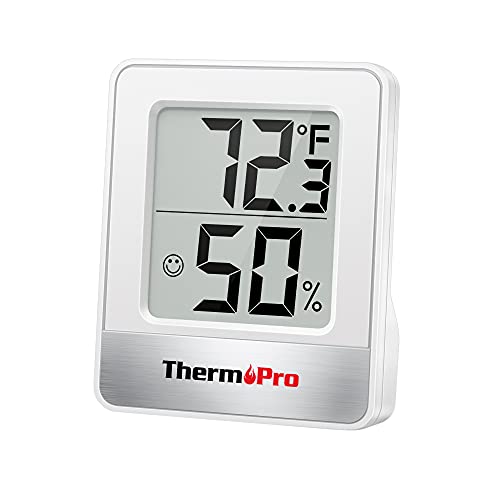
Face Icon Comfort Indicator: Humidity temperature gauge features face icons to indicate DRY/COMFORT/WET air conditions, quickly informs you how to adjust your humidifier or dehumidifier to achieve optimal comfort.

White Humidity and Temperature Monitor: Ideal for a living room, baby nursery, kitchen, greenhouse, or wine cellar
Effects of Low Winter Humidity
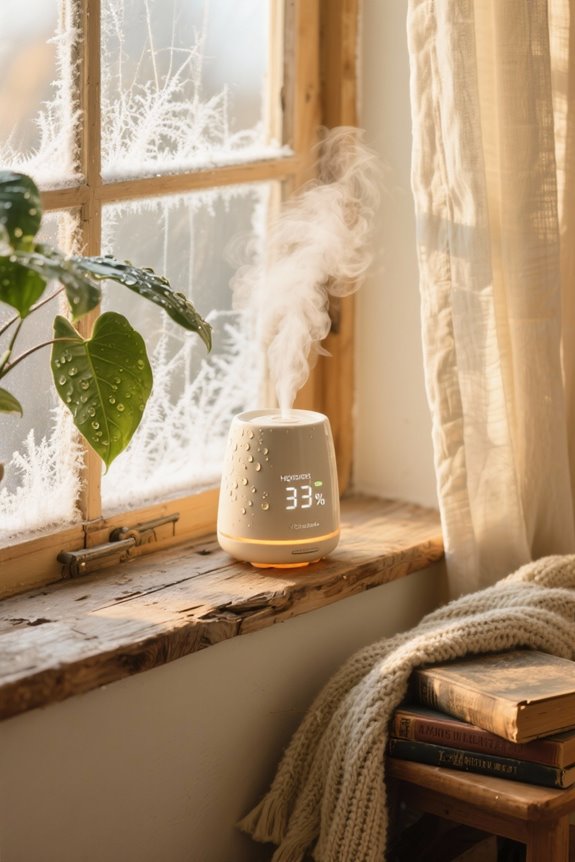
Low winter humidity can have several adverse effects on health and comfort, impacting both the respiratory system and skin.
Health risks related to low humidity include:
- Respiratory issues: Dry air irritates mucous membranes, increasing the chance of infections such as colds and the flu. It can also worsen asthma and bronchitis symptoms.
- Skin irritation: Skin may become flaky and itchy, as low humidity damages the skin’s protective barrier.
- Increased infections: With dried out mucous membranes, individuals are more vulnerable to viruses and bacteria, as these pathogens can thrive in low humidity.
- Eye discomfort: Dry air destabilizes the tear film, leading to greater eye irritation, particularly during activities that involve screens.
Addressing low humidity is essential for enhancing overall comfort and minimizing health complications. Utilizing humidifiers for sinuses can significantly improve indoor air quality, which helps alleviate these issues.
Recommended Products

Vicks humidifiers, vaporizers and steam inhalers help you breathe better with steam for sinus relief and sleep more comfortably

𝙁𝙖𝙨𝙩 𝙃𝙪𝙢𝙞𝙙𝙞𝙛𝙞𝙘𝙖𝙩𝙞𝙤𝙣 𝘼𝙡𝙡 𝙉𝙞𝙜𝙝𝙩: Runs for up to 25 hours on low thanks to its SUPER LARGE capacity of 2.5 liters. The soothing moisture helps quickly relief congestion and dry throat.

[3-in-1 Humidifier Meets All You Expect] Cool Mist Humidifier+Aromatherapy+Mood Light, purchase for once to satisfy all you expect! Let Homvana H101 be the best companion in your bedroom.
Effects of High Winter Humidity
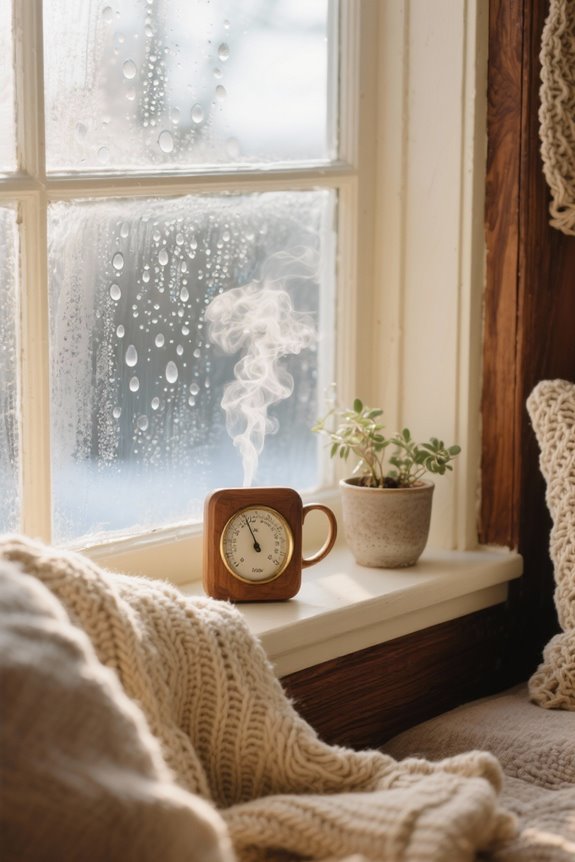
High winter humidity can have several detrimental effects on both indoor environments and health. One notable issue is window condensation, where warm, moist air meets cold glass. This causes water droplets to form, leading to damage in window frames over time. Additionally, high humidity fosters mold growth on walls and ceilings, which can result in both aesthetic and structural problems.
Moreover, elevated humidity levels increase indoor allergens such as dust mites and mold spores. This can exacerbate respiratory issues, uncomfortably affecting individuals with asthma or allergies. Finally, excessive moisture complicates skin conditions and creates a sticky feeling, inhibiting sweat evaporation. Overall, maintaining balanced humidity levels is essential to prevent these negative effects during winter months. Notably, regular maintenance is vital for preventing mineral buildup in humidifiers, which can contribute to these issues.
Recommended Products

WOOD MOISTURE METER: Prevent water and moisture build-up with our humidity reader. It can quickly determine what level of remediation is needed to keep your family safe. High levels of dampness that go untreated can cause hazardous living conditions.

The Kayenqo Mold Test Kit contains 12 test plates, detailed mold guide and mold removal instructions, 12 swabs, label sheets and test gloves, complete kit for easy mold testing at home without needing to prepare anything else

EASY TO USE: you to quickly detect areas prone to mildew growth with a simple scanning motion and without direct surface contact, It also has a Type K thermocouple probe to take contact measurements
Effective Humidity Control Methods
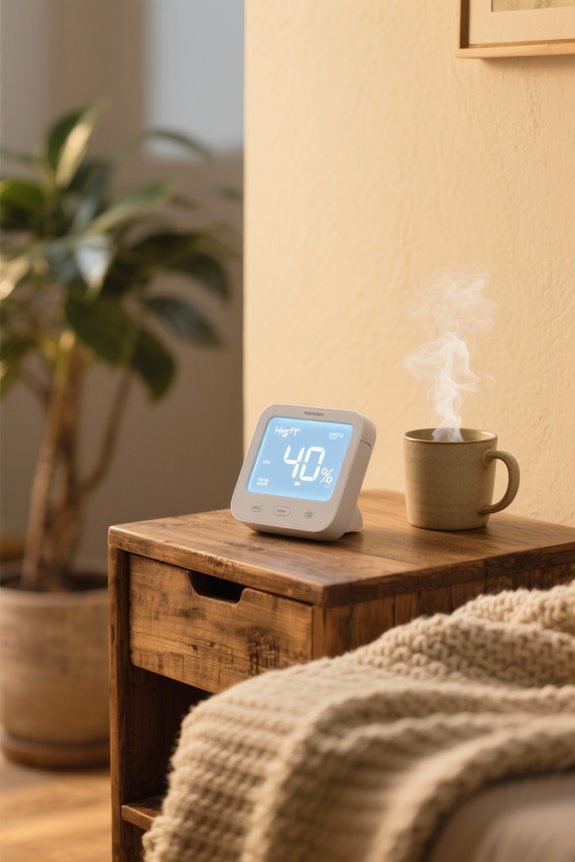
Maintaining appropriate indoor humidity levels during winter is essential for creating a comfortable living environment. Several effective humidity control methods can help achieve this goal.
- Dehumidifiers should be strategically placed in damp areas. They can reduce indoor humidity levels by 20-30% in typical homes.
- Humidity sensors enable automated control of dehumidifiers and ventilation, activating systems when moisture rises.
- Opening windows briefly allows for drier outdoor air to replace moist indoor air.
- Exhaust fans in kitchens and bathrooms should vent outside to eliminate excess moisture.
In well-sealed homes, it is important to increase mechanical ventilation to prevent humidity buildup. Following these practices can guarantee a balanced indoor humidity level throughout winter. Additionally, utilizing small room humidifiers can help improve air quality and comfort in compact living spaces.
Recommended Products

【Readings be Switched Between Fahrenheit and Celsius】 Round Digital Thermometer ease to achieve the mutual conversion between Fahrenheit (°F) and Celsius (°C),(with temperature switch button- °C/°F mode)

This 2-pack indoor hygrometer thermometer helps monitoring room temperature and humidity in real time. Temperature range: -58 ~ 158 ℉( -50 ~ 70℃ ), Humidity range: 10%~99%

Maintain the Right Room Temperature and Humidity Levels: This wireless indoor thermometer/hygrometer combination is perfect to pair with humidifiers or dehumidifiers
Health Considerations Related to Humidity
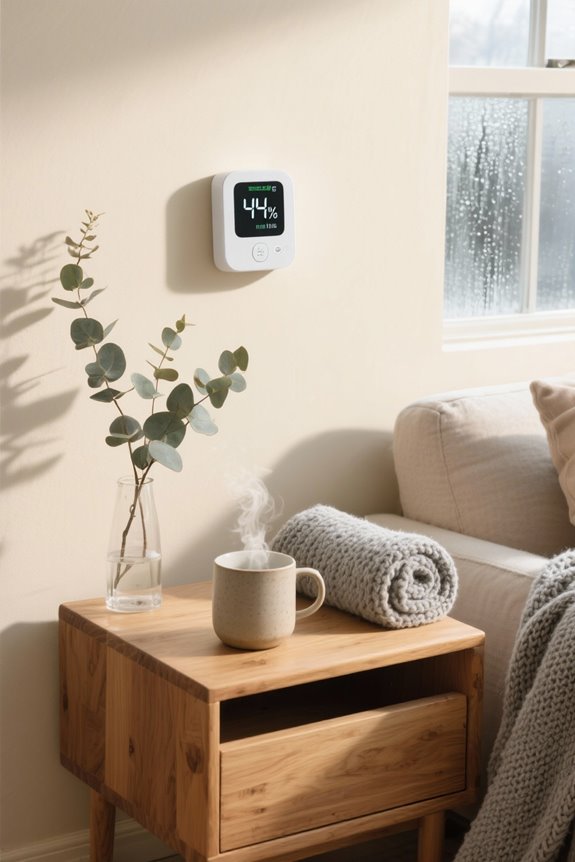
Understanding the relationship between humidity levels and health is essential for maintaining well-being during winter months. Proper humidity balance is vital for respiratory health. Low humidity can lead to several health risks, including:
- Dry, irritated eyes and flaky skin, increasing discomfort.
- Inflamed mucous membranes, raising the risk of respiratory infections.
- Enhanced survival of viruses, facilitating the spread of colds and flu.
Low humidity also contributes to nasal congestion, making it harder to breathe comfortably. Respiratory tract dryness can hinder the body’s ability to clear mucus and pathogens, worsening existing conditions like bronchitis. Maintaining indoor humidity levels between 40-60% supports not only comfort but also a stronger immune response and lowers the risk of infections, promoting overall health during winter. Additionally, using portable humidifiers can greatly improve indoor air quality and help maintain optimal humidity levels.
Recommended Products

【25H Runtime & Rapid Relief】The 2L tank provides 25 hours of continuous mist on low. Use high-output mode (200ml/h) for instant relief from dry throat and congestion within minutes. (Note: Use on hard surfaces; avoid carpets.)

【Important Notes】1. Before using the mini humidifier, fully submerge the filter cartridge in water for several minutes. 2. When installing or replacing the filter cartridge, do not discard the spring. Ensure the spring is placed at the bottom of the filter tube and rotate the filter tube to secure it during installation. 3. Do not use essential oils or perfumes, as these may cause the filter cartridge to clog. 4. After prolonged use, inspect the filter cartridge and replace it promptly.
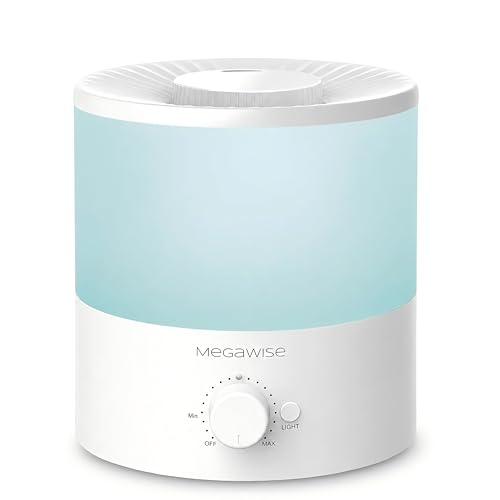
We Care About You: The mist humidifier will be automatically shuts off if waterless, and it is BPA free, FCC Ctificated and RoHS, creating a safe and healthy environment for your families.
Seasonal Humidity Adjustments and Regional Variations
Seasonal changes bring noticeable shifts in humidity levels, greatly affecting indoor comfort and health. During winter, lower temperatures result in less moisture in the air, leading to reduced relative humidity.
- Seasonal Variations: Indoor humidity typically drops to 30-50%, especially in colder regions.
- Regional Climates: Different climates influence humidity levels. For instance, humid continental areas experience significant humidity fluctuations with temperature changes, while mixed-humid climates, found in the eastern U.S., exhibit higher moisture.
Heating systems further decrease indoor humidity, necessitating measures like humidifiers in dry climates. Therefore, understanding regional climate patterns is crucial to effectively manage indoor humidity and guarantee comfort during winter. Using humidifiers is an effective strategy to maintain optimal indoor humidity levels in such environments.
Frequently Asked Questions
How Can I Measure Indoor Humidity Accurately?
To measure indoor humidity accurately, one should utilize hygrometer usage for precise readings. Monitoring humidity trends over time with regular calibration guarantees reliability, providing valuable insights into the indoor climate and its fluctuations.
What Are the Signs of Excessive Humidity in My Home?
Excessive humidity in a home often manifests as mold growth, musty odors, and condensation on windows. Other signs include damp clothing, peeling paint, and respiratory discomfort, indicating an uncomfortable and potentially unhealthy living environment.
Can Plants Help Regulate Indoor Humidity Levels?
Like nature’s silent guardians, plants enhance indoor environments by promoting moisture retention, effectively regulating humidity levels. Their numerous benefits include creating cleaner air and nurturing healthier spaces, showcasing their essential role in fostering well-being indoors.
How Often Should I Check My Home’s Humidity Levels?
Regular checks of humidity levels should occur morning and evening. Employ humidity monitoring techniques to observe seasonal humidity fluctuations, ensuring a comfortable environment while preventing potential issues related to excessive dryness or moisture in the home.
Are There Specific Humidifiers or Dehumidifiers You Recommend?
In the domain of comfort, the best humidifiers, such as the Levoit LV600S and Vicks V3900, harmonize environments, while effective dehumidifiers like those from Frigidaire curate balance, safeguarding indoor air quality against moisture’s unwanted embrace.