As an Amazon Associate, we earn from qualifying purchases. Some links on this site are affiliate links at no extra cost to you. Our recommendations are based on thorough research and editorial judgment.


Bedding For Allergy Sufferers: How To Choose

When choosing bedding for allergy sufferers, it’s important to minimize allergens. First, select hypoallergenic materials such as organic cotton or bamboo. These resist dust mites and mold. Opt for tight weave fabrics that block allergens effectively. Regular cleaning is essential; wash bedding every 2-6 weeks in hot water. Look for certified products that confirm allergen protection. Additionally, consider mattress types; natural latex and memory foam are ideal choices. To learn more about creating an allergen-free bedroom environment, explore further details.
Key Takeaways
- Opt for hypoallergenic materials like organic cotton, bamboo, or eucalyptus that resist allergens and promote a clean sleep environment.
- Choose tight weave fabrics with small pore sizes to effectively block dust mites and other allergens while allowing breathability.
- Maintain a rigorous cleaning routine, washing bedding every 2–6 weeks using hot water and hypoallergenic detergents to minimize allergens.
- Select mattresses made from natural latex or CertiPUR-US certified foam that repel allergens and promote breathability.
- Use allergen-proof covers and regularly vacuum with HEPA filters to keep your sleeping area free from dust and irritants.
Understanding Allergens in Bedding
You may be interested



10 Best Goose Down Duvets for Luxurious Comfort All Year Round
December 3, 2025
Understanding allergens in bedding is essential for anyone dealing with allergies. Bedding is a primary source of allergens, with dust mites and mold being the most common culprits. Dust mite habitats thrive in mattresses, pillows, and bedding due to warmth and moisture.
Key factors include:
- Dust Mite Density: Mattresses can harbor 100,000 to 10 million dust mites.
- Mold Prevention: Mold grows in damp environments, exacerbating allergy symptoms.
Individuals may experience symptoms like sneezing, itchy eyes, and disrupted sleep. Additionally, using machine-washable covers can help maintain hygiene by reducing these allergens and improving overall comfort.
To minimize exposure, consider using mattress and pillow encasements, and regularly wash bedding in hot water. Maintaining a clean, dust-free space further reduces allergen presence, ultimately aiding in allergy management and promoting better overall health.
Importance of Material Selection
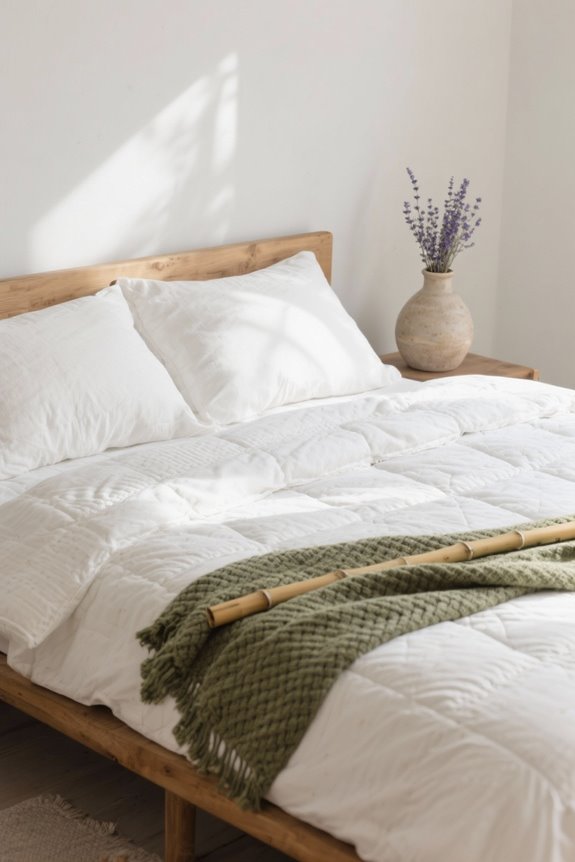
Material selection plays an essential role in managing allergies, and individuals often overlook its significance. The choice of bedding material influences both comfort and allergy control.
- Hypoallergenic options: Materials like bamboo, silk, cotton, and linen are known for their allergen resistance.
- Breathability: Selecting breathable, moisture-wicking materials helps ward off dust mites and mold.
- Material durability: Investing in durable materials guarantees long-lasting comfort and effectiveness against allergens.
- Certification: Look for bedding with allergen testing certifications to verify hypoallergenic properties.
- Avoid synthetic fibers: They can trap allergens and may irritate sensitive skin. Additionally, opting for bedding with hypoallergenic treatments can further enhance your sleeping environment and reduce allergy symptoms.
Recommended Products

SAFEGUARD YOUR INVESTMENT: Keep your expensive mattress in pristine condition with our Premium Full Bamboo Mattress Protector. Our ultra-soft mattress cover protects from dirt, water and normal wear & tear, so it stays clean and comfortable.

100% Viscose Derived from Bamboo Outer Shell Comfort: Enjoy the softness and breathability of our cooling comforter in queen size, featuring a 100% bamboo viscose outer shell and a fill blend of 60% recycled polyester + 40% bamboo viscose, finished with corner ties and box stitching for a secure fit and a flawless look.

【1.5x Breathable】Our sleep sacks are made of Rayon Made from Bamboo, which is breathable, in addition, the ribbed design makes it more breathable, for heat regulation and moisture wicking, helping to keep your baby comfortable and dry, making it easier for parents and babies alike.
Natural Fibers and Their Benefits

When selecting bedding for allergy sufferers, natural fibers offer significant advantages for enhancing comfort and reducing allergens. The natural fiber benefits include inherent antibacterial properties, which help diminish allergens and bacteria. For instance, organic cotton advantages extend to being hypoallergenic, naturally resisting dust mites, mold, and mildew.
Additionally, fibers like eucalyptus can provide a cleaner sleep environment due to their resistance to dust mites and bacteria. Natural fibers are also breathable, promoting air circulation and moisture management, which prevents overheating.
Moreover, they are gentle on sensitive skin, reducing irritation and maintaining skin health. Choosing natural, sustainably produced bedding not only supports well-being but also minimizes the ecological footprint compared to synthetic alternatives. Furthermore, using down alternative filling in bedding can further reduce the risk of allergies while providing comfort for sensitive users.
Tight Weave Fabrics for Allergen Protection
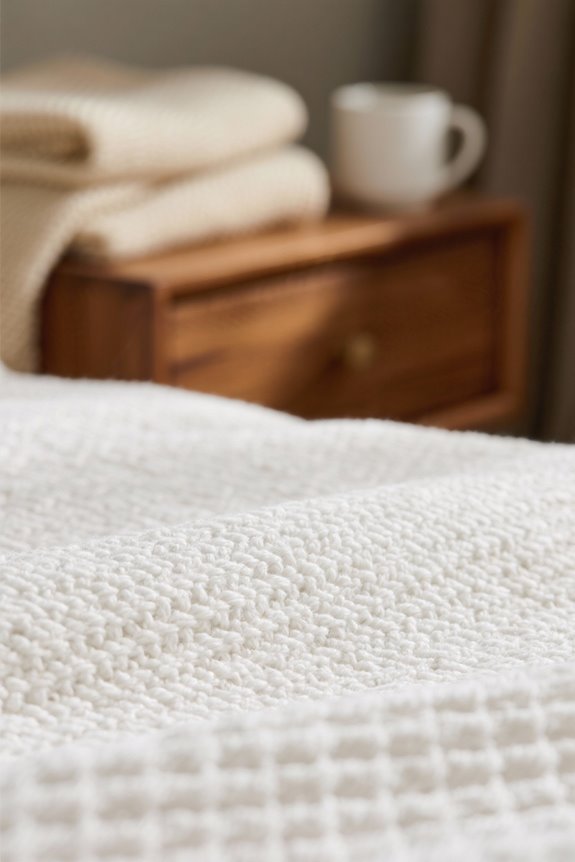
To create an effective barrier against allergens, tight weave fabrics are essential for individuals who suffer from allergies. These fabrics feature small pore sizes, typically ranging from 2 to 6 microns, which block allergens such as dust mites and pet dander.
- Breathability: Tightly woven materials allow air and moisture to circulate, enhancing comfort while keeping allergens out.
- Materials: Options like microfiber, cotton, and polyester differ in softness and durability but all provide protective qualities. Moreover, the choice of materials and textures can significantly impact overall sleep quality and allergy management.
When conducting a fabrics comparison, tight weave fabrics typically score high in allergen testing, proving effective against common allergens.
Utilizing these bedding options can lead to reduced allergy symptoms, better sleep quality, and long-term cost savings by minimizing the need for frequent replacements or medication.
The Role of Mattress and Pillow Protection

Choosing the right mattress and pillow protection can greatly enhance allergen control in bedding.
- Mattress Encasings: Encasing mattresses and pillows in high-quality covers with pore sizes under 6 microns helps block dust mite allergens and pet dander.
- Allergen Barriers: Zippered, fully-enclosing covers prevent allergens from escaping. These often feature seam binding and internal zipper flaps for improved protection.
- Specific Needs: Look for encasings that extend to box springs since allergens can also reside there.
- Maintenance: Regular washing of these encasings is vital, with recommendations to use hot water, which effectively eliminates allergens. Additionally, selecting covers with antimicrobial properties can help further reduce the presence of harmful microbes.
Selecting the appropriate mattress and pillow protection can contribute considerably to a healthier sleeping environment for allergy sufferers.
Recommended Products

100% Cotton Comfort : Experience true comfort with our mattress cover, made from 100% premium cotton with a high thread count for extra softness. The naturally breathable fabric wicks away moisture and reduces heat retention, creating a cool and comfortable sleeping surface. Gentle on sensitive skin and completely hypoallergenic, it’s the perfect choice for families, children, and anyone who values a healthy, restful sleep.

Zippered mattress cover stretches to fit any Queen (60” x 80”) standard mattress depth from 12" to 18"

100% Waterproof - Six-sided premium protection against everyday liquids and stains; 10-year quality guarantee
Choosing Hypoallergenic Duvets and Pillows
Selecting hypoallergenic duvets and pillows can greatly improve sleep quality for individuals prone to allergies. These bedding options are often made from materials that enhance humidity control and minimize allergen detection.
- Natural Fibers: Organic cotton, linen, and British wool effectively resist dust mites and mold while ensuring breathability.
- Goose Down: When sanitized properly, this material offers excellent insulation and moisture-wicking properties, promoting a healthier sleep environment.
- Tightly Woven Fabrics: These create barriers against allergens, like dust mites and pet dander, essential for reducing allergic reactions.
Choosing certified hypoallergenic products assures minimal exposure to harmful substances, further benefitting those with sensitivities. Furthermore, selecting products that are hypoallergenic and OEKO-TEX certified can further enhance the safety of your sleeping environment. For allergy sufferers, investing in the right duvets and pillows can greatly enhance comfort and overall health.
Recommended Products

COOL, DRY SLEEP ALL NIGHT LONG: This 100% TENCEL Lyocell Duvet Cover actively draw moisture away from your body, keeping hot sleepers dry and comfortable through night sweats, hot flashes, and humid summer nights; the breathable lyocell duvet covers regulate temperature naturally while Oeko-Tex Standard 100 certification ensures they're free from harmful substances and safe for sensitive skin—wake refreshed, not restless.

COOL, DRY SLEEP ALL NIGHT LONG: This 100% TENCEL Lyocell Duvet Cover actively draw moisture away from your body, keeping hot sleepers dry and comfortable through night sweats, hot flashes, and humid summer nights; the breathable lyocell duvet covers regulate temperature naturally while Oeko-Tex Standard 100 certification ensures they're free from harmful substances and safe for sensitive skin—wake refreshed, not restless.
Cleaning and Maintenance Practices
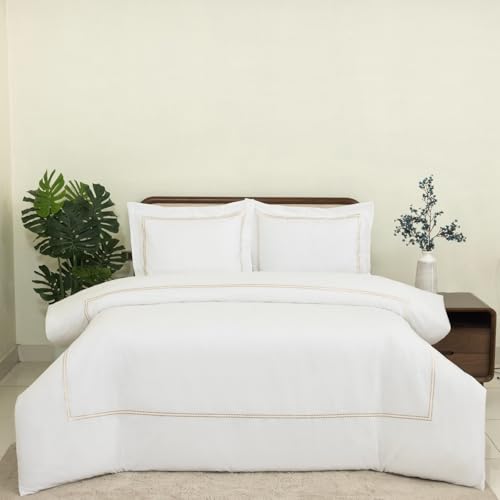
When maintaining bedding for allergy sufferers, consistent cleaning is essential to minimize allergen levels and guarantee a healthier sleeping environment. Establishing a cleaning frequency is vital; for comforters, aim to wash every 4–6 weeks, or every 2 weeks for severe allergies. A regular vacuuming schedule should include using a handheld vacuum with an upholstery attachment weekly. Additional practices involve airing out bedding on sunny days to utilize UV light, which helps disinfect and eliminate odors. Flipping and shaking bedding weekly redistributes fill and loosens debris, while using zippered, allergen-proof covers traps dust mites effectively. These practices contribute greatly to maintaining a clean sleeping area that reduces allergens and promotes better health for allergy sufferers. Incorporating regular cleaning of bedding can further enhance the effectiveness of these practices by ensuring that allergens are consistently minimized.
Washing Guidelines for Bedding
Proper washing guidelines for bedding play an essential role in minimizing allergens and promoting a comfortable sleep environment for allergy sufferers.
- Washing Frequency: Bedding should be washed every two weeks, though this may increase during high pollen seasons. If pets sleep on the bed, a weekly wash is recommended.
- Washing Methods: Use water hotter than 130°F to effectively reduce dust mites and allergens. It’s vital to follow care labels for fabric integrity, while hypoallergenic detergents should be preferred to avoid additional irritation.
- Extra Rinsing: Perform an extra rinse cycle to eliminate detergent residue. High heat drying helps kill dust mites, but low heat is safer for delicate fabrics. Implementing regular washing along with effective heating efficiency can create a more comfortable environment for allergy sufferers.
These practices guarantee that bedding remains clean and allergen-free, enhancing overall sleep quality.
Selecting the Right Mattress for Allergy Relief
For allergy sufferers, choosing the right mattress is essential in creating a restful and allergen-free sleep environment. When considering mattress selection, certain materials and characteristics can markedly impact allergy symptoms.
- Natural Latex: Resistant to dust mites and mold, promoting breathability.
- Memory Foam: Dense and closed-cell, repels allergens; opt for CertiPUR-US certified to reduce chemical emissions.
- Gel-Infused Foam: Offers cooling and similar benefits to memory foam, useful for those experiencing night sweats.
- Hybrid Options: Combine foam with coils for airflow but require protection against allergen accumulation.
- Innerspring Mattresses: Generally not recommended unless equipped with protective covers.
Selecting hypoallergenic materials and ensuring airflow can greatly reduce allergen exposure, facilitating better sleep quality for allergy sufferers. Additionally, certain memory foam pillows can enhance comfort and support while minimizing allergen presence, further improving sleep quality for those with sensitivities.
Recommended Products
SAFEGUARD YOUR INVESTMENT: Keep your expensive mattress in pristine condition with our Premium Twin Bamboo Mattress Protector. Our ultra-soft mattress cover protects from dirt, water and normal wear & tear, so it stays clean and comfortable.
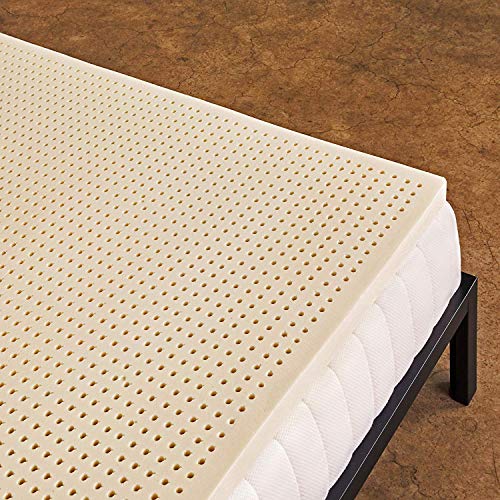
Firm - Provides Strong Pinpointed Support
Soft - Great for Adding Softness to the Surface of a Mattress
The Impact of Certifications
Understanding the impact of certifications can greatly influence the choice of bedding for allergy sufferers. Certifications signal essential assurance of allergen awareness and safety.
- The Asthma & Allergy Friendly® Certification assesses materials to confirm they do not provoke allergy symptoms.
- Certified products effectively block >90% of dust mite and cat allergens, improving health and comfort.
- Rigorous testing guarantees that bedding withstands repeated washes, critical for controlling allergens.
- Certifications also minimize harmful chemical emissions, enhancing indoor air quality.
- Additionally, selecting eco-friendly production practices ensures that bedding is made without harmful chemicals that could exacerbate allergy symptoms.
Evaluating Mattress Types for Allergies
Selecting the right mattress is essential for individuals with allergies, as the material and construction can greatly affect allergen exposure.
- Memory Foam Mattresses: Naturally resistant to dust mites, these mattresses limit allergen accumulation and often have CertiPUR-US certifications for low VOC emissions. However, allow them to air out to minimize initial off-gassing odors.
- Latex Mattresses: Known for their hypoallergenic properties, natural latex is durable and resists dust mites, mold, and mildew. Choose natural latex over synthetic to avoid triggering sensitivities.
- Hybrid Mattresses: Combining innerspring coils with hypoallergenic foam or latex, these mattresses balance support and allergen resistance, often featuring allergen-resistant covers.
- Innerspring Mattresses: Typically porous, these can harbor allergens. Combining them with allergen-resistant layers may improve their suitability for allergy sufferers.
These mattress comparisons help in making informed choices tailored to reduce allergen exposure.
Recommended Products
Soft - Great for Adding Softness to the Surface of a Mattress

NATURAL LATEX: Discover the unparalleled buoyant, pressure-free support of natural latex. Our latex undergoes a thorough washing process to remove all allergy-causing proteins, ensuring pure, lasting comfort.
Soft - Great for Adding Softness to the Surface of a Mattress
Maintaining an Allergen-Free Bedroom
Creating an allergen-free bedroom is essential for improving overall health and comfort, especially for allergy sufferers. Effective bedroom organization plays a significant role in this process.
- Regularly wash bedding in hot water to kill dust mites and remove allergens.
- Use dust mite-proof covers on pillows and mattresses for allergen storage.
- Opt for hypoallergenic materials such as cotton or bamboo.
Additionally, maintain cleanliness through routine dusting and vacuuming with a HEPA filter. Reducing clutter, such as stuffed animals and excessive decorative items, minimizes dust accumulation. Consider hard flooring over carpets, or at least choose low-pile varieties that are easier to clean.
Additional Tips for Allergy Management in Bedding
How can one further reduce allergens in bedding? Implementing additional tips can greatly improve allergy management.
- Moisture Control: Keeping humidity below 50% helps deter dust mites and mold growth.
- Allergy Free Accessories: Opt for hypoallergenic pillows and breathable mattress encasements.
- Regular Cleaning: Wash bedding weekly in hot water and utilize a dryer to eliminate allergens.
- Vacuuming: Use a vacuum with a HEPA filter to minimize airborne particles.
- Limit Clutter: A tidy bedroom reduces dust buildup and allergen accumulation.
- Choose Fabrics Wisely: Select materials like Tencel, bamboo, or eucalyptus silk for their antimicrobial properties.
Following these steps can lead to a healthier sleep environment, aiding allergy sufferers in achieving better rest.
Frequently Asked Questions
Can I Use Essential Oils on Bedding for Allergies?
Essential oils can potentially enhance allergy relief when used indirectly with bedding materials, but caution is required. It’s recommended to dilute them, as direct application may irritate skin and exacerbate reactions in sensitive individuals.
How Often Should I Replace My Pillows and Duvets?
Pillows should be replaced every 6 months to 2 years depending on material, while duvets typically last 3 to 5 years. Regular pillow care and duvet maintenance can extend their lifespan and reduce allergens.
Are There Specific Brands Known for Hypoallergenic Bedding?
Bamboo-based brands, such as Ethical Bedding and Cozy Earth, showcase superior hypoallergenic materials. Brand comparisons reveal SmartSilk’s luxurious silk offerings and BedCare’s certified encasings, all designed to diminish allergens, enhancing comfort for sensitive sleepers.
How Can I Minimize Allergens in Stuffed Animals?
To minimize allergens in stuffed animals, regularly wash them, use hypoallergenic options, vacuum with a HEPA filter, control humidity, and employ protective storage. These steps help maintain allergen-free environments for sensitive individuals.
Do Air Purifiers Help With Allergens in the Bedroom?
Can air purifiers truly enhance bedroom air quality? Research indicates they considerably improve air quality by reducing allergens, with HEPA filters proving especially effective. However, settled allergens require additional cleaning measures for ideal effectiveness.