As an Amazon Associate, we earn from qualifying purchases. Some links on this site are affiliate links at no extra cost to you. Our recommendations are based on thorough research and editorial judgment.


Electric Heater Maintenance: Safe Cleaning Guide

Electric heater maintenance guarantees safe and efficient operation. Begin by unplugging the heater and allowing it to cool before cleaning. Use mild soap on microfiber cloths for the exterior and compressed air for dust removal from vents. Schedule annual inspections, especially before winter. Always maintain a safe distance from flammable materials while cleaning. This routine enhances the heater’s performance and lifespan. There are additional practices that can further improve maintenance and safety.
Key Takeaways
- Always unplug the electric heater and let it cool completely before starting the cleaning process to avoid electrical shock and burns.
- Use soft cleaning tools like microfiber cloths and avoid liquids, as they can damage internal components of the heater.
- Schedule maintenance annually, ideally before the heating season, to catch potential issues early and ensure optimal performance.
- Employ professional inspections for comprehensive checks on electrical connections, duct cleanliness, and overall system safety.
- Maintain a safe distance of three feet from flammable materials during cleaning and ensure automatic shut-off features are functioning correctly.
Exterior Cleaning Procedures
Maintaining the exterior of an electric heater is essential for both safety and efficiency. Proper cleaning tools are crucial for the task. Begin by turning off the heater and allowing it to cool completely. Use mild soap or dish detergent on slightly damp microfiber cloths to wipe down surfaces, ensuring to reach all corners. For stubborn stains, a citrus-based cleaner is effective but should still be used carefully. Avoid abrasive cleaners and never spray directly onto the heater to prevent moisture damage. After cleaning, consider applying automotive wax for exterior protection, which helps restore shine and safeguard surfaces. It’s also important to regularly check for automatic shut-off features to ensure the heater operates safely. Perform this maintenance regularly to maintain the heater’s efficiency and appearance. Always consult the manufacturer’s guidelines for specific recommendations.
Recommended Products
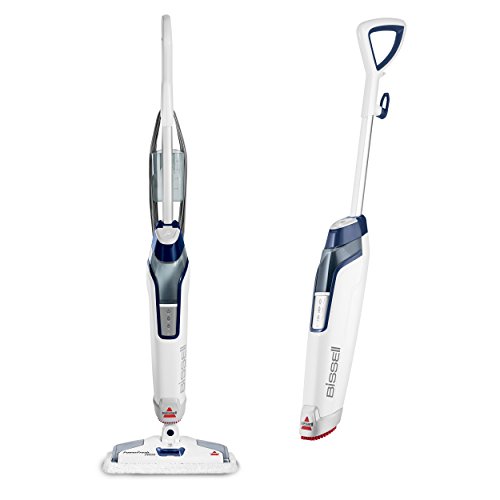
Every BISSELL purchase helps save pets. BISSELL proudly supports BISSELL Pet Foundation and its mission to help save homeless pets..Choose between high or low steam settings based on your cleaning needed. Heater warm up time: 30 seconds. Cleaning path width - 12 inches

Petroleum distillate/alcohol based precision cleaner

Our natural ingredient-based formula is free of harsh chemicals, making it safe for use around children and pets.
Interior Dust and Debris Removal
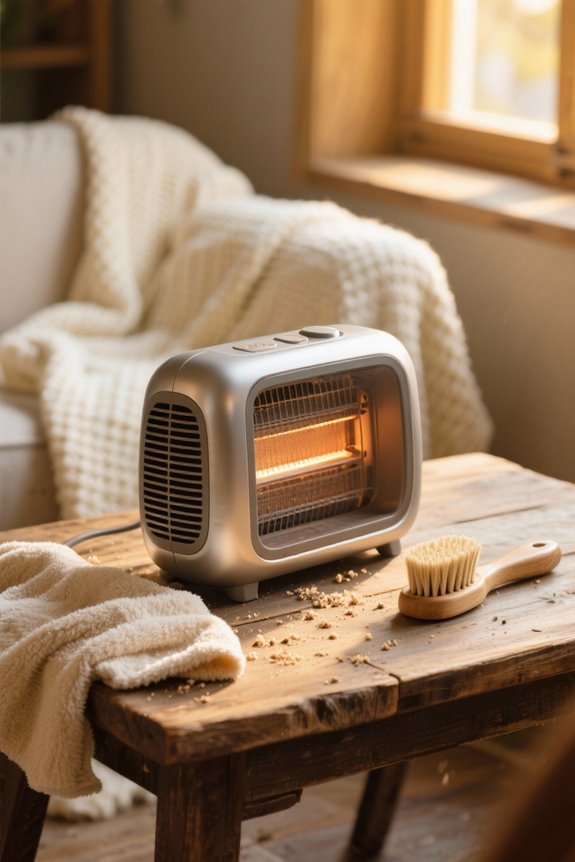
Dust and debris can considerably hinder the efficiency of an electric heater, making it imperative to perform regular interior cleaning. Neglecting this task can lead to dust buildup, impacting performance and safety.
To clean the interior:
- Always unplug the heater and verify it is cool.
- Use compressed air to blow dust from vents and internal parts.
- Employ soft vacuum attachments and dry brushes to gently remove dust from hard-to-reach areas.
- Avoid using liquids, as they can damage internal components.
Safety is paramount; avoid touching electrical wires and refrain from using abrasive materials. Following these practices will maintain the heater’s efficiency and help prevent potential overheating or fire hazards. Regular cleaning ensures optimal performance and longevity, as well as compliance with safety standards.
Recommended Products

4 Person Steam Sauna Outdoor: HKXSC 4 person outdoor steam sauna is constructed from solid African Mahogany for durability, moisture resistance and elegant appearance. The internal dimensions of 67.52"W*51.77"D*74.01"H are enough to comfortably holds four people. Perfect for family use or social relaxation.

🔥 PREMIUM OUTDOOR COOKING: This outdoor propane-grills kitchen island features 6 high-efficiency stainless steel burners delivering 85,000 BTU heat output. The outdoor kitchen grill includes a ceramic infrared rear burner and side burner, offering 684 square inches of cooking space with 8mm stainless steel cooking grids.
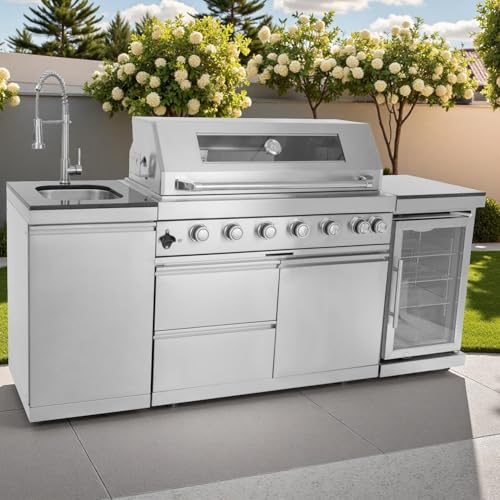
🔥 PREMIUM OUTDOOR COOKING: This outdoor kitchen island features 6 high-efficiency stainless steel burners delivering 85,000 BTU heat output. The outdoor kitchen propane gas grill includes a ceramic infrared rear burner and side burner, offering 684 square inches of cooking space with 8mm stainless steel cooking grids.
Frequency and Timing of Maintenance
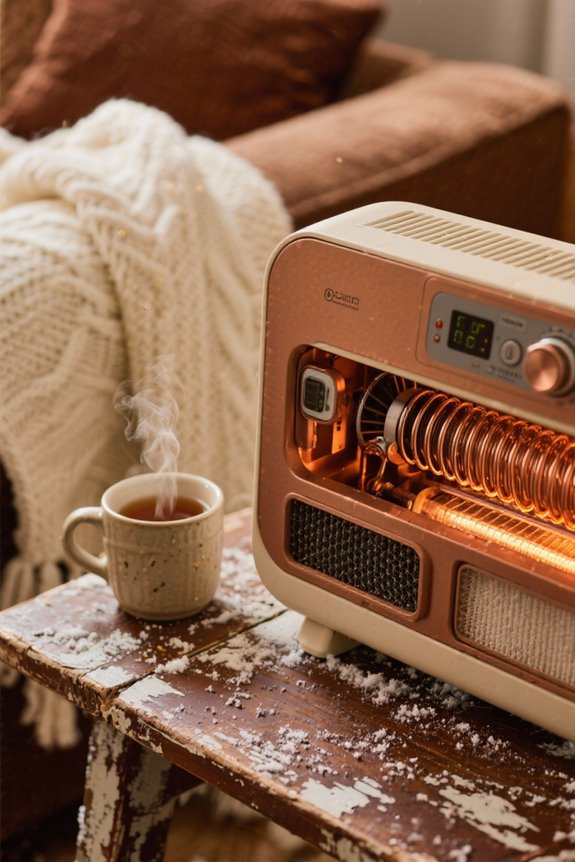
Regular maintenance is important for ensuring the ideal performance of electric heaters, especially after addressing the buildup of dust and debris inside. To maintain peak efficiency, homeowners should consider frequency and timing based on several factors:
- Seasonal Adjustments: Schedule maintenance before the heating season, typically in the fall.
- Usage Intensity: Systems under heavier use in harsh climates may require additional checks.
- Annual Inspections: Many professionals recommend yearly inspections to catch potential issues early.
- Flexible Scheduling: Homeowners can adjust maintenance frequency based on specific system needs. Additionally, understanding the importance of safety features can guide you in selecting heaters that allow for easier maintenance and safe operation.
Recommended Products

SPORT 4D ADJUSTABLE DEEP TISSUE MASSAGE MECHANISM - Customize the depth of your massage, from a light relaxing massage to an intense session that accelerates the rehydration of muscle tissue and releases trigger points.

Package including: Fusion Splicer T-82C+ AC adapter ADC-1430 Cooling tray Carrying Case Charging cord Spare Electrodes Electrode(spare) ER-10 Battery module BU-11 Fiber cleaver FC-8R Operating CD manual Carrying case
HIGH-EFFICIENCY BURNERS: The grill features 4 tubular stainless steel high efficiency burners plus a rear ceramic infrared burner and a standalone side burner, delivering a total of 72000 BTU heat output. The cooking area measures 38 by 18 inches (684 square inches) and includes a stainless steel warming rack and 8mm stainless steel cooking grids
Safety Precautions During Cleaning
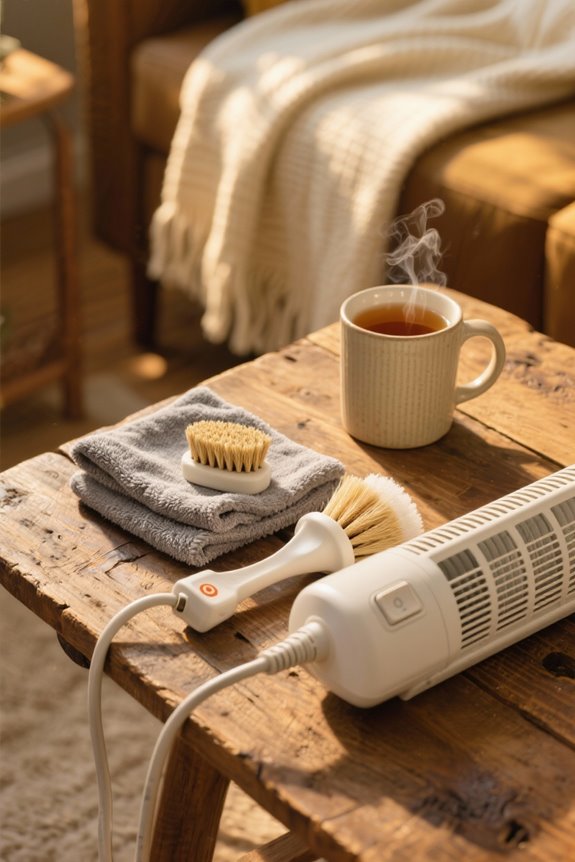
When preparing to clean an electric heater, it is vital to prioritize safety to prevent accidents or injuries. Conducting a proper risk assessment is imperative.
- Always unplug the heater to avoid electrical shock.
- Make sure the device has cooled down completely prior to cleaning.
- Use appropriate cleaning tools, such as soft microfiber cloths and gentle brushes, to avoid damage.
- Never immerse any part of the heater in water or cleaning solutions.
- Maintain a three-foot clearance from flammable materials during and after cleaning.
- Inform household members to keep pets and children away.
- Check cords and plugs for damage, and discontinue use if any issues are found. Additionally, consider towel warmers with safety features such as auto shut-off to enhance overall safety during use.
These precautions will help maintain safety during the cleaning process.
Specific Component Care
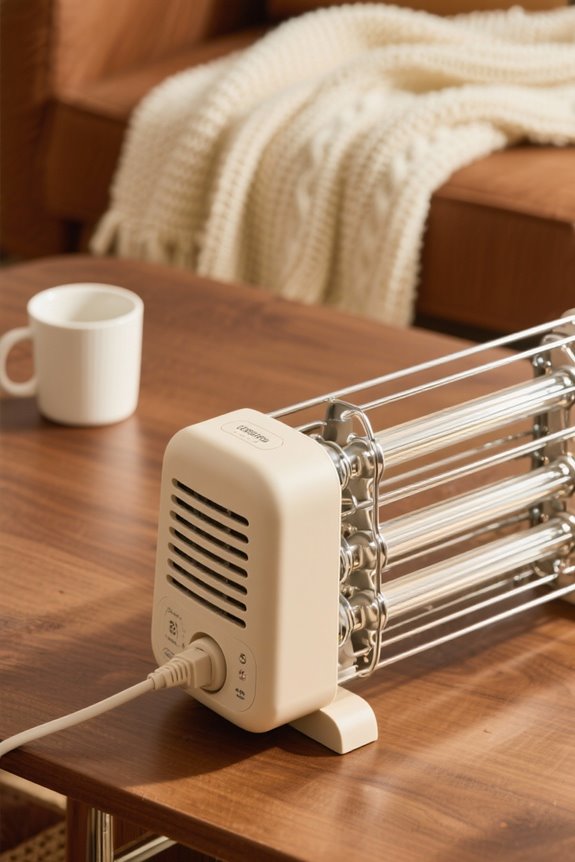
Caring for specific components of an electric heater is vital to guarantee ideal performance and longevity. Proper heating element care involves regular inspections for buildup, corrosion, or damage that can affect efficiency. Gentle cleaning methods, like using compressed air, are recommended. Additionally, always disconnect power before handling these elements. Regular inspection of safety features is also crucial to ensure the heater operates safely.
Thermostat calibration is equally significant. Regular checks affirm accurate temperature readings and proper heater cycling. Inspect wiring and terminals for wear or corrosion, which can lead to thermostat failures.
Routine maintenance of fan and airflow components is also important. Cleaning fan blades and confirming proper airflow will optimize heat distribution. Following these guidelines helps maintain an efficient and safe electric heater for long-term use.
Recommended Products

An efficiently heated pool or spa lets you control your swim season & provides luxurious comfort that fits your lifestyle
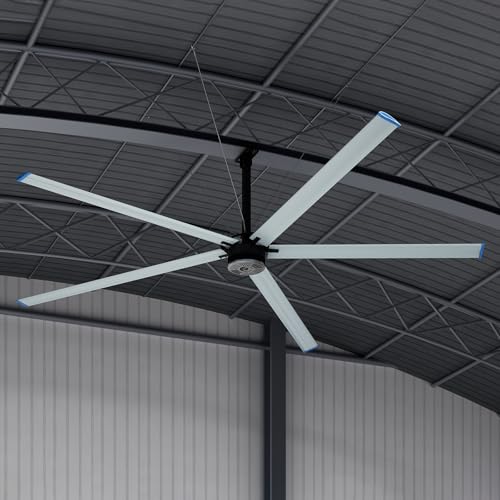
Efficient Heat Dissipation:Designed with high-precision heat dissipation fins at the motor base, this outdoor ceiling fan prevents overheating during extended use. It ensures consistent cooling performance and extends the motor's lifespan.

Energy-Saving PlatinumX Electronic Temperature Controller
Impact of Regular Cleaning on Performance and Safety
Maintaining cleanliness in electric heaters greatly enhances both performance and safety. Regular cleaning provides key cleaning benefits that optimize heater function. Dust and debris can block vents, reducing airflow and requiring more energy to heat spaces. By removing these obstacles, heaters can operate more efficiently, minimizing energy waste and lowering monthly utility costs.
Additionally, accumulated dust poses fire hazards, as it can ignite at high temperatures. Routine cleaning reduces risks of overheating and electrical failures, ensuring safe operation. Regular inspections during cleaning further help identify potential hazards, such as frayed wires. Ultimately, clean electric heaters not only perform better, contributing to overall home comfort, but also promote a safer environment free from excessive dust and allergens. Regular cleaning is especially important for heaters that use advanced PTC ceramic technology, which can help maintain optimal energy efficiency and performance.
Professional Maintenance and Inspections
Routine cleaning establishes a foundation for effective electric heater maintenance, yet professional inspections are equally important. An annual professional inspection is recommended for ideal performance and safety. Technicians should possess recognized qualifications, ensuring they are skilled in electric heating systems.
During an inspection, technicians examine:
- All electrical connections for security, corrosion, and wear.
- Ducts, filters, and indoor components for dirt and airflow adequacy.
- Thermostat calibration to maintain accurate temperature control.
Professionals may detect common issues, including:
- Dust buildup reducing efficiency.
- Loose connections posing safety risks.
- Wear on moving parts indicating the need for lubrication.
Hiring certified technicians reduces the risk of improper servicing and protects warranties. Always follow the manufacturer’s maintenance schedule for best practices. This ensures your heater operates at optimal performance and maintains safety standards.
Recommended Products
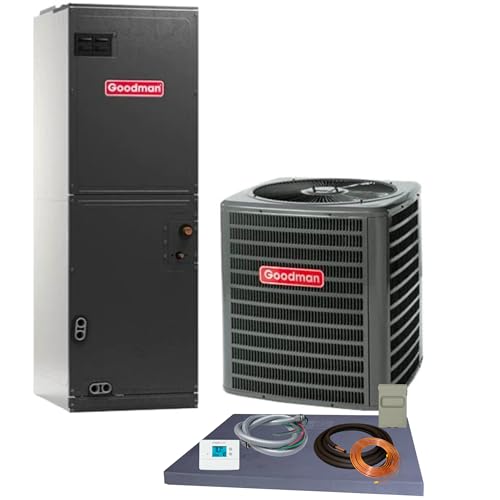
GLZS4BA2410 and AMST24BU1300 replace the following heat pumps and air handlers: GSZ140241,SSZ140241,ARUF43D14,ARUF47D14,ASPT47D14,ASPT49C14,ASPT49D14,ASPT59C14. Please contact us with any questions.

𝐖𝐡𝐲 𝐜𝐡𝐨𝐨𝐬𝐞 𝐭𝐡𝐞 𝐑𝟖𝟎𝟖𝟗 Massage Chair? Upgraded with motorized extensions for legs, not springs. Feet with ergonomic 3-stage massagers

Product Type:Auto Part
Frequently Asked Questions
What Tools Do I Need for Cleaning My Electric Heater?
Proper cleaning supplies include a soft-bristle brush, microfiber cloth, and needle-nose pliers. Essential maintenance tips emphasize safety and efficiency, such as utilizing a voltage tester and ensuring the area remains dry during the process.
Can I Use Vinegar or Baking Soda for Cleaning?
Vinegar serves as an effective cleaning solution for electric heaters, particularly in removing mineral buildup. In contrast, baking soda is ineffective in this situation. Following proper heating tips guarantees safe and efficient maintenance practices.
How Can I Tell if My Heater Needs Professional Servicing?
Indicators for professional servicing include unusual noises, inefficiencies in heater performance, increasing energy bills, or safety concerns like abnormal flame colors. Regular maintenance can prevent these issues, ensuring peak heater performance and safety.
Is It Safe to Use a Pressure Washer for Cleaning Outdoor Heaters?
Using a pressure washer for cleaning outdoor heaters compromises pressure washer safety and risks damaging components. Adopting gentle cleaning methods guarantees proper outdoor heater care, preserving functionality while avoiding hazards associated with high-pressure water exposure.
What Should I Do if I Smell Burning Dust When the Heater Runs?
Like smoke rising from a smoldering fire, burning dust signals potential heater malfunctions. It is advisable to turn off the heater, allow it to cool, and inspect for dust buildup or foreign objects before resuming use.