As an Amazon Associate, we earn from qualifying purchases. Some links on this site are affiliate links at no extra cost to you. Our recommendations are based on thorough research and editorial judgment.


Heater Placement Guide: Best Room Practices

Heater placement is crucial for safety and efficiency. Maintain required clearances: four inches for water heaters, three feet for furnaces, and one to two feet from walls for space heaters. Position heaters near windows and doors to combat drafts. In larger spaces, opt for multiple units or more powerful models. Professional installation guarantees proper mounting and ventilation. Be aware of common mistakes, such as improper sizing and neglecting safety codes. More insights await on optimizing heater use effectively.
Key Takeaways
- Position heaters near windows and doors to combat drafts and ensure efficient warmth distribution in the room.
- Use larger or multiple heaters in expansive spaces for even heat distribution; select compact options for smaller rooms.
- Maintain necessary clearances, such as 3 feet in front of furnaces and 1-2 feet from walls for space heaters, to promote safe operation.
- Place heaters strategically in insulated areas, near heat loss points in poorly insulated spaces for optimal heating efficiency.
- Ensure accessibility for maintenance and adhere to local building codes for safe and effective heater installations.
Clearance and Safety Standards
When setting up heaters in a home, it is essential to follow specific clearance and safety standards. Understanding clearance regulations is imperative to guarantee safety compliance, as improperly positioned heaters can pose fire hazards. Key installation requirements include:
- Water Heaters: Must have 4 inches on sides and rear, and 24 inches in front for maintenance access.
- Furnaces: Require a minimum of 3 feet clearance with an additional 2 feet in front.
- Space Heaters: Should maintain at least 1-2 feet from walls and 3 feet from combustible materials.
Prioritizing these space considerations will enhance safety while permitting easier maintenance access. Regular inspections and compliance with local building codes can greatly reduce fire risks and guarantee a secure heating environment. Additionally, ensuring that heaters are equipped with safety features like overheat protection will further enhance safety during use.
Ideal Placement by Room Factors

Understanding how to place heaters effectively according to room factors is essential for maintaining comfortable indoor temperatures. Consider the following:
- Room Dimensions: Larger spaces require more powerful heaters or multiple units to guarantee even heat distribution.
- Insulation Impact: Good insulation allows more flexible heater placement, while poorly insulated areas need heaters closer to heat loss points.
- Airflow Patterns: Place heaters strategically near windows or doors to combat drafts and maintain warmth. Avoid blocking them with furniture to enhance circulation.
- Heater Types: Choose heater types based on room layout and size; compact solutions work in small rooms, while larger units suit expansive spaces. Additionally, be mindful of energy consumption and heating efficiency to ensure optimal performance without excessive costs.
Recommended Products

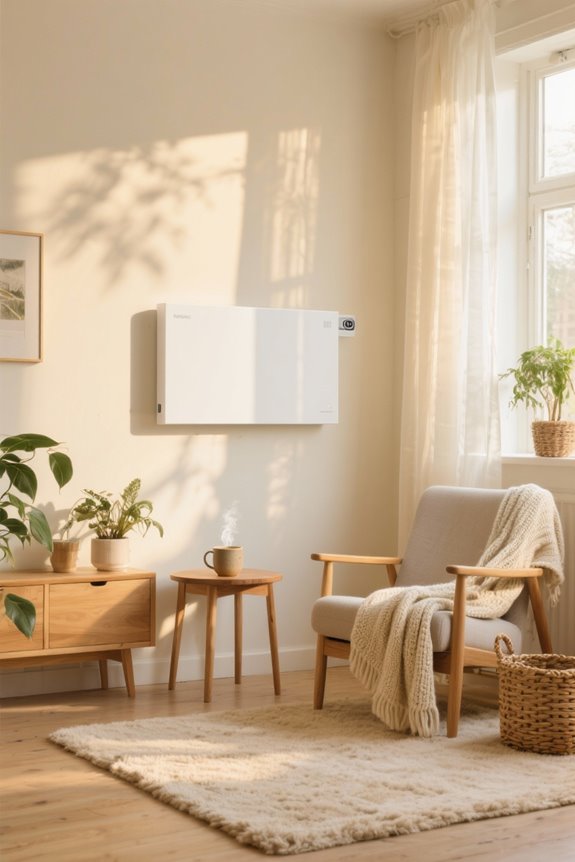
Consistent And Efficient Heating For Every Room: The Rinnai direct vent wall heater ensures optimal temperature control with advanced modulating technology, effectively eliminating cold spots for a cozy living environment

100% KILL: All the equipment and training you need to obtain a 100% kill of bed bugs 100% of the time, every time! Modern bed bug populations are highly resistant to insecticides. Not to mention environmentally friendly, heat is a very effective bed bug killer and can be used in many different ways to treat infestations.

1. Dual-Function Innovation for Mining Experience the next level of home mining with the Canaan Avalon Mini 3 — a cutting-edge device that combines powerful Bitcoin mining capabilities (up to 37.5 TH/s) . Whether you're mining solo or contributing to a staking pool, this unit delivers solid performance while doubling as a practical heat source for your living space.
Mounting and Installation Best Practices
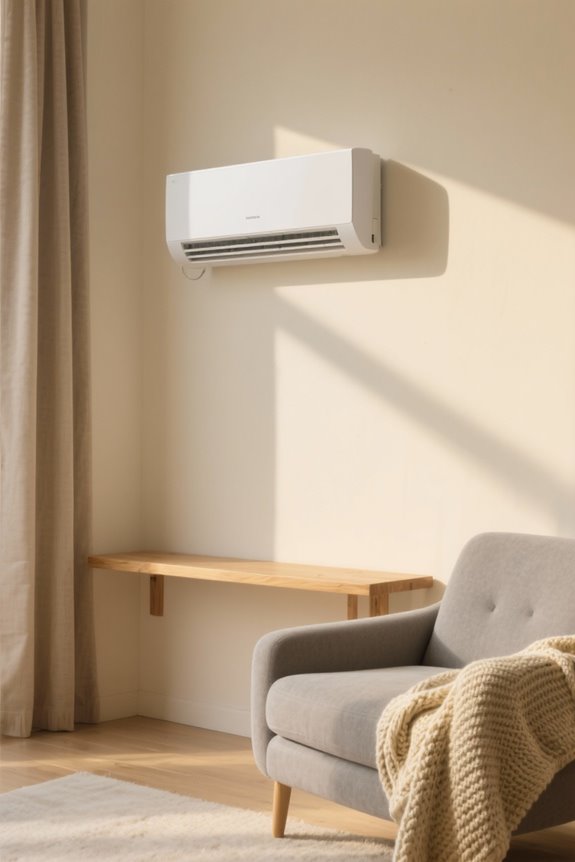
Effective heater installation is just as important as selecting the right placement. Before beginning, safety is essential; disconnect the power or gas supply and wear protective gear. Proper mounting techniques involve using suitable brackets and ensuring stability, especially for ceiling-mounted heaters.
Key points include:
- Check for adequate ventilation, especially for gas heaters.
- Maintain recommended clearances above and around the heater.
- Use installation tools like toggle bolts for heavy units.
Ensure all connections are secure, especially in gas or oil installations. Additionally, safety features such as tip-over protection should be installed to enhance the overall safety of the heating system. Finally, conduct final testing to confirm proper operation and absence of leaks. Following these best practices will enhance safety and efficiency while promoting effective heating in the designated space.
Recommended Products

【Unbeatable Performance】The 2×4 led flat panel lights with edge-lit LEDs are integrated so there are no bulbs to replace; 50/60/70/90W Wattage options, 10000LM high performance surface mount ceiling light fixtures; 110LM/W energy saving, significantly reducing electricity costs compared to traditional fluorescent fixtures. Ideal for eco-conscious lighting solutions in Commercial Areas, Educational and Healthcare Facilities

All-in-One Solution for Multiple Rooms: This product comes with multiple indoor air handlers and individual controllers for each room, along with a single outdoor condenser. Our mini split AC and heating system is usable all year round, featuring air conditioning, a robust heat pump, dehumidifier, fan, and an accelerated turbo function. Every room can have its own temperature control, providing you with ideal climate control

All-in-one for Multiple Rooms: Equipped with 1 outdoor 42,000BTU condenser and 5 indoor (9,000BTU + 12,000BTU + 12,000BTU + 12,000BTU + 12,000BTU) air handlers with individual controllers for each room. Our mini split air conditioning and heating system offers an all-season solution with air conditioning, powerful heat pump, dehumidifier, fan, and speed-up turbo function. Each room has individual temperature control for ideal climate control
Garage Heater Placement Specifics

Selecting the right placement for a garage heater is crucial for achieving ideal warmth and efficiency. Optimal garage heating begins by placing the heater near the coldest spots, often outside walls or corners. Heater orientation should aim toward the garage door to minimize cold air infiltration.
Key considerations include:
- Mount the heater at a height of at least 2.4 meters for unobstructed heat flow.
- Maintain at least 8 inches of clearance from vertical surfaces.
- Guarantee adequate ventilation, especially for gas heaters, to prevent carbon monoxide buildup.
Additionally, consider accessibility for wiring and gas connections to facilitate safe installation. Following these guidelines promotes even heat distribution and enhances the overall effectiveness of garage heating solutions. Furthermore, ensure that the heater has safety features like overheat protection and tip-over switches to enhance user safety.
Recommended Products

Cooper & Hunter 48,000 BTU (4 Ton) Multi Zone Outdoor Condenser 24 SEER2, 230V, with (4) Wall Mounted Indoor Units 9,000 + 9,000 + 18,000 + 18,000 BTU. Smart Control Included: Comes with smart kit, allowing you to set schedules, adjust temperature, and control your system remotely via smartphone app.
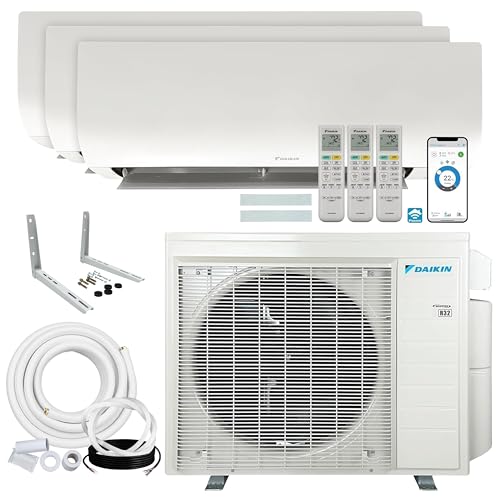
Multi-Zone Comfort: The 4MXM36AVJU9 R32 pre-charged outdoor condenser powers Three independently controlled FTXV fan coils ( 9,000 BTU, 9.000 BTU, and 15,000 BTU, providing personalized climate control for each zone.
Multi-Zone Comfort: The 3MXM24AVJU9 R32 pre-charged outdoor condenser powers three independently controlled FTXV fan coils (12,000 BTU, 12,000 BTU, and 15,000 BTU), providing personalized climate control for each zone.
Commercial/Facility Heater Layout Guidelines

In commercial settings, proper heater layout greatly impacts both comfort and energy efficiency. To achieve effective heat distribution, heaters should be positioned near the building perimeter to blow warm air toward the center. Placing units close to larger heat loss zones, like dock doors, enhances heat loss prevention and reduces supplementary heating needs.
Key considerations include:
- Avoiding obstructions that restrict airflow, such as walls or racks.
- Adapting heater orientation based on space constraints and facility layout.
- Conducting load calculations to determine precise heating demands.
Using smart controls can further optimize heater operation, taking into account occupancy and temperature feedback. This strategic approach guarantees that the heater orientation impact maximizes energy efficiency while maintaining comfort across various facility areas. Additionally, understanding the importance of energy-efficient models will help ensure that heaters perform effectively without incurring excessive costs.
Recommended Products

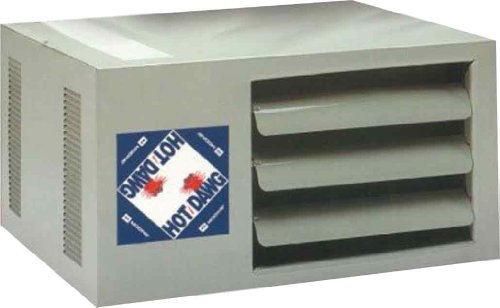
Propane Garage Heaters: Reznor UDXC models work as a propane heater for indoor use and make a great space heater solution for many kinds of commercial or industrial applications such as garages, workshops, warehouses, factories, and more.

Maintenance and Safety Post-Installation
Proper maintenance and safety measures are essential after heater installation to guarantee peak performance and risk mitigation. Regular visual inspections should be conducted to identify any wear, corrosion, or damage. Key components, such as the combustion chamber and flue systems, must be checked for dirt and blockages.
Electrical checks are equally important. Technicians should inspect wiring connections to prevent overheating and verify safety controls function correctly.
Routine cleaning of motors and burners helps maintain efficiency and performance. For safety, keep flammable materials at least three feet from heaters, and always install carbon monoxide detectors. Additionally, incorporating safety features like overheating protection can significantly enhance user safety during heater operation.
Room-Specific Heater Recommendations
Choosing the right heater for specific rooms can greatly impact comfort and efficiency.
Living Room: Opt for convection or large-capacity radiant heaters to warm the space efficiently. Heaters should be centrally located, ideally near seating areas for even heat distribution.
Bedroom: Small to medium-sized heaters, like ceramic models with thermostats, ascertain steady Bedroom warmth. Position heaters away from beds and flammable materials, prioritizing models with automatic shut-off features for added safety.
Bathroom: Utilize moisture-resistant heaters that are safe for humid environments. Wall or ceiling-mounted options enhance Bathroom safety while providing quick warmth. Ensuring safety features such as tip-over protection and overheat shut-off enhances peace of mind while using heaters in any setting.
Considering specific room requirements allows for effective heating solutions tailored to boost comfort and maintain safety in each space.
Recommended Products

Includes one pallet of 32 cases (320 tiles/2560 sq ft); Versatile; The no-fuss smooth texture and color allow for seamless integration into any room or design scheme; Perfect for office buildings, restaurants, and home improvement

All-In-One Integrated Design Portable Restroom integrates a flushable Toilet, handwash sink, ventilation fan, ceiling light, and floor drain into a single, self-contained unit. Interior essentials—including wall hooks, toilet paper holder, and privacy lock—are already built in, delivering a complete set of features for a dependable Outdoor Restroom experience.

【Fully Pre-Assembled & Time-Saving】No assembly needed. This bathroom vanity with sink comes fully pre-assembled before shipping, including the cabinet, ceramic top, smart LED mirror cabinet, faucet, drain kit, and angle valve. Just unpack, mount it on the wall, and it's ready to use. Floating bathroom vanity set, No puzzling over parts – save hours of assembly time and frustration
Energy Efficiency Considerations
Energy efficiency is an essential factor to take into account when selecting heating systems for homes. Proper insulation quality is critical, as it directly influences heat pump performance. Homes with well-insulated envelopes can achieve heat pump coefficients of performance (COP) exceeding 3.5, enhancing energy savings. In contrast, poor insulation may reduce heat pump COP to below 2, ultimately increasing energy costs.
Key considerations include:
- Evaluating insulation quality before installation allows for smaller systems, optimizing energy use.
- Seasonal variations affect efficiency; heat pumps perform best in mild weather.
- Maintenance, such as duct sealing and regular filter changes, is significant for sustaining efficiency. Additionally, using high-quality fabrics like velvet blankets can contribute to overall comfort in your living spaces, aiding in maintaining desired temperatures.
Common Installation Mistakes to Avoid
When undertaking heater installation, avoiding common mistakes can greatly enhance performance and safety. Key installation errors often arise from:
- Improper Heater Sizing: Using a heater that is too small causes inadequate heat, while an oversized unit leads to energy waste and frequent cycling.
- Neglecting Safety Guidelines: Ensuring secure gas connections prevents leaks and fire risks. Misinstalled relief valves may result in dangerous explosions.
- Ignoring Local Codes: Not following building codes can result in safety hazards and legal issues, potentially leading to costly rework.
- Poor Equipment Positioning: Incorrect placement obstructs airflow and may expose heaters to combustible materials, increasing fire risk.
- Faulty Connections: Using incompatible metals or poor soldering techniques can cause leaks and system inefficiency.
Proper planning minimizes the risk of these issues with heating systems. In addition, consideration of safety features such as auto shut-off timers can further mitigate risks associated with heater installation.
Frequently Asked Questions
Can I Use Extension Cords With Electric Heaters?
Using extension cords with electric heaters poses significant heater safety risks, as improper extension cord lengths can lead to overheating and malfunction. It’s advisable to connect heaters directly to wall outlets for ideal safety and performance.
How Do I Clean My Heater Safely?
To clean a heater safely, one must follow recommended cleaning methods, including unplugging the unit, using dry cloths, inspecting vents for blockages, and adhering to essential safety precautions to prevent electrical hazards or burns.
What Signs Indicate a Heater Needs Repairs?
A heater, like a weary traveler, shows signs of distress when it emits unusual smells or engages in frequent cycling. These warnings hint at internal troubles, necessitating timely repairs to restore comfort and safety.
Are There Heaters Suitable for Outdoor Use?
Various outdoor heaters, including gas-powered, electric infrared, and tabletop models, are suitable for outdoor use. Prioritizing heating safety is essential, ensuring proper placement and adherence to manufacturer guidelines to prevent hazards and enhance efficiency.
How Can I Reduce Heater Noise?
To reduce heater noise, implementing sound insulation and prioritizing heater maintenance are essential. Regular inspections and upgrades to quieter models greatly enhance tranquility, leaving one wondering how much comfort they’ve been missing without these improvements.