As an Amazon Associate, we earn from qualifying purchases. Some links on this site are affiliate links at no extra cost to you. Our recommendations are based on thorough research and editorial judgment.


Humidifier Maintenance: Avoiding Mold Growth

Regular maintenance of a humidifier is essential for avoiding mold growth. Daily tasks include emptying the water tank and rinsing components. Weekly deep cleaning and monthly disinfection with diluted bleach inhibit mold development. Using distilled or reverse osmosis water reduces mineral buildup, while hydrogen peroxide and vinegar solutions effectively clean and prevent mold. Additionally, monitoring humidity levels between 30% and 50% guarantees a healthier environment. Implementing these practices can enhance air quality; further tips are available to maximize efficiency.
Key Takeaways
- Regularly empty and rinse the water tank daily to prevent stagnant water that promotes mold growth.
- Perform weekly deep cleaning according to the manufacturer’s guidelines to eliminate existing mold.
- Use distilled or reverse osmosis water to reduce mineral buildup, which contributes to mold favorable conditions.
- Incorporate cleaning solutions like hydrogen peroxide or vinegar for periodic maintenance to inhibit mold growth effectively.
- Monitor indoor humidity levels between 30% and 50% to create an environment less conducive to mold proliferation.
Importance of Regular Cleaning
You may be interested
10 Best Console Humidifiers for Optimal Comfort and Air Quality
October 12, 2025
Maintaining a humidifier through regular cleaning is vital, as it directly impacts both health and device performance. Consistent upkeep minimizes bacterial growth and maintains air quality.
Daily Tasks:
- Empty the water tank to prevent contamination.
- Rinse components with fresh water to remove deposits.
- Wipe surfaces dry to avoid excess moisture.
Weekly Duties:
- Perform a deep clean as per manufacturer recommendations.
- Scrub areas with a soft brush to eliminate mold.
Monthly Checks:
– Disinfect using a diluted bleach solution to inhibit mold.
Regular upkeep and cleaning frequency are essential in ensuring the humidifier functions effectively while protecting the user’s health. This structured approach will help maintain a suitable environment. Additionally, incorporating Germ-Free Technology can further enhance indoor air quality by minimizing harmful microorganisms.
Understanding Water Quality
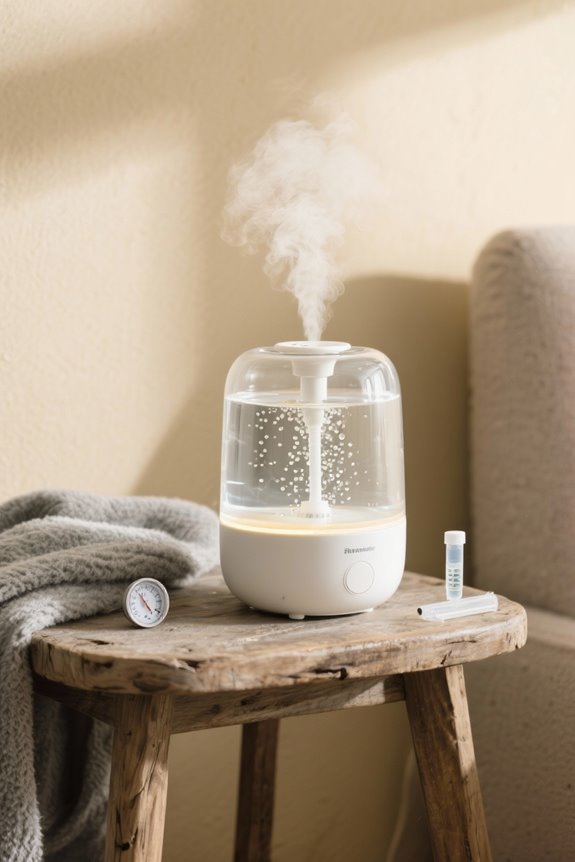
Water quality plays a significant role in the operation and effectiveness of humidifiers. Understanding water hardness is vital, as high mineral content can lead to mineral buildup within humidifiers, reducing their efficiency. Regular water testing helps identify contaminants that may affect air quality. Different water sources, such as tap, spring, and well water, have varying characteristics that can impact maintenance needs and operational effectiveness.
For peak performance, consider using distilled or reverse osmosis (RO) water, which offers better contaminant removal. Maintaining air quality is essential, as aerosolized minerals can contribute to indoor pollution. Regular assessment of water quality and source comparison is advised to guarantee humidifiers function properly and support a healthy living environment. Additionally, using distilled water for optimal performance can significantly reduce maintenance issues.
Effective Use of Hydrogen Peroxide
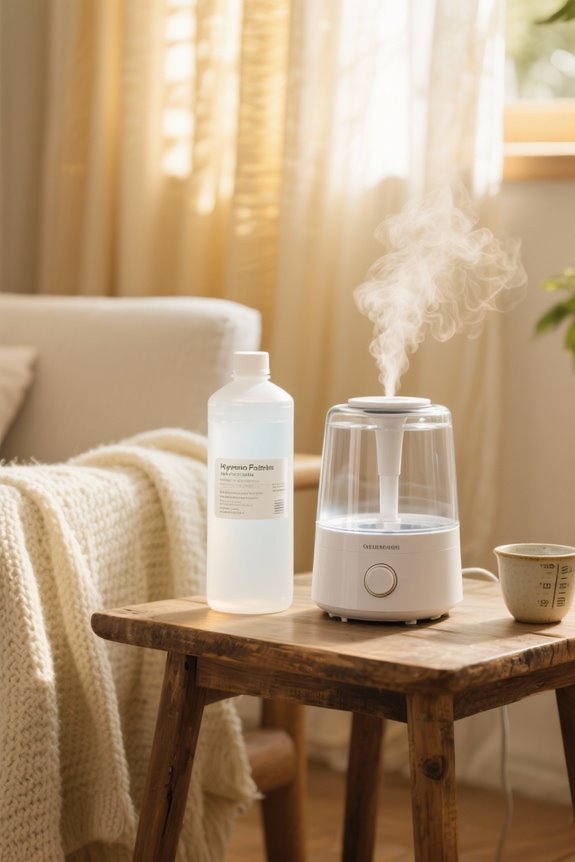
Effective use of hydrogen peroxide can considerably enhance the maintenance of humidifiers, reducing the risk of mold and bacterial growth. This compound offers various hydrogen peroxide benefits, including its antifungal and antibacterial properties. To maintain cleanliness, one can add half a teaspoon to the water reservoir whenever it is filled. For deeper cleaning, mixing one part 3% hydrogen peroxide with four parts water creates an effective sanitizing solution. Applying this solution to interior surfaces and allowing it to sit for 10 to 30 minutes maximizes disinfection techniques. Regular use of hydrogen peroxide not only prevents microbial contamination but also prolongs the life of the humidifier. Proper rinsing after use is essential to prevent any residual peroxide from affecting indoor air quality. Additionally, maintaining optimal humidity levels can significantly reduce the potential for mold proliferation in your humidifier.
Recommended Products

Contains One - 16 fl oz Bottle of Food Grade Hydrogen Peroxide

Versatile Antiseptic Hydrogen Peroxide Solution for Everyday Needs: Look no further than our 3% hydrogen peroxide solution, your all-in-one choice for effectively cleaning and disinfecting minor cuts, scrapes, burns, bug bites, and skin irritations. It acts as a proactive shield against potential infections, making it an essential addition to your first aid kit.

TWO CORE INGREDIENTS. ENDLESS USES. Food grade hydrogen peroxide and deionized water combine to create one of nature's most versatile and powerful cleaning and oxygenating solutions — no unnecessary additives, no mystery chemicals, no fine print. If you've been searching for a clean, straightforward formula, this is it. Proudly bottled in the USA.
Cleaning With Vinegar Solutions
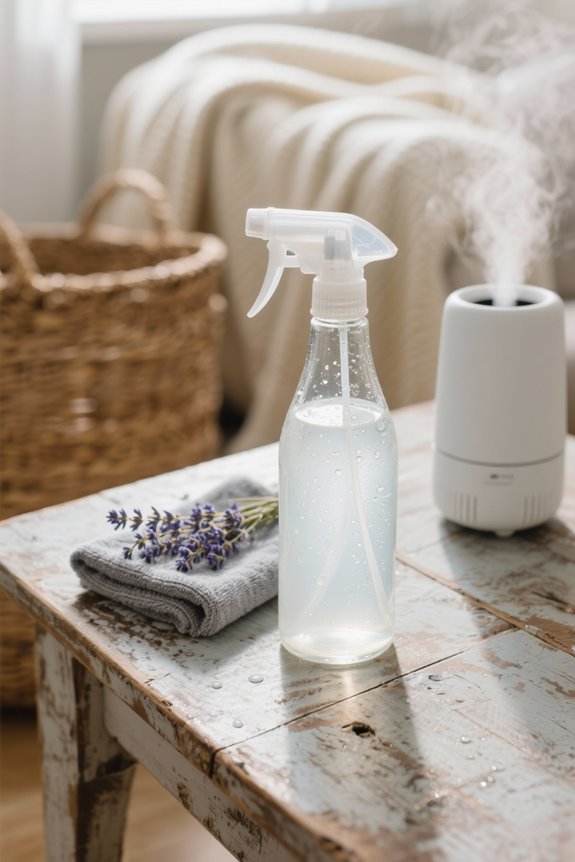
While maintaining a humidifier, using vinegar solutions can be a practical choice for cleaning and disinfecting its components. Vinegar applications, particularly white distilled vinegar diluted with water, are effective at dissolving mineral deposits and inhibiting mold growth. It is recommended to use a 1:1 ratio of vinegar to water for descaling. Cleaning frequency may vary; routine vinegar cleaning is suggested every 1 to 2 weeks, especially in hard water areas or with daily use. However, users should note that excessive vinegar cleaning may damage certain internal parts. Additionally, lingering vinegar odors could affect indoor air quality. Always consult manufacturer guidelines, as some brands recommend alternatives to vinegar for maintaining component integrity. Moreover, ensuring the humidifier’s components remain free from overheat protection is crucial in preventing potential issues over time.
Recommended Products

EXCEPTIONAL RESULTS: Introducing Tillbrook Cleaning Vinegar—the perfect choice for natural cleaning and maintenance. Our powerful formula, made from 6% all-natural vinegar and infused with a fresh citrus scent, delivers an unmatched cleaning experience without unnecessary additives.

VERSATILE PANTRY STAPLE: Perfect for cooking, pickling, marinating, and enhancing your favorite recipes with a crisp, tangy flavor.

VERSATILE PANTRY STAPLE: Perfect for cooking, pickling, marinating, and enhancing your favorite recipes with a crisp, tangy flavor.
Drying Techniques to Prevent Mold

Maintaining a humidifier’s cleanliness is important, but drying techniques are equally essential in preventing mold growth. Proper drying prevents moisture accumulation, which is a key factor in mold development. Implementing the following drying techniques can greatly reduce this risk:
- Regular Drying: Thoroughly dry the humidifier after each use.
- Daily Tank Emptying: Empty and dry the water tank to eliminate stagnant water.
- Storage: When not in use, store the humidifier in a dry area away from humidity.
- Area Management: Keep the surrounding area clean and dry.
- Air Circulation and Ventilation: Improve air flow to aid drying and control humidity levels.
Additionally, choosing a model with filterless designs can simplify maintenance and further minimize the risk of mold growth. Using these methods can considerably enhance the humidifier’s safety and prolong its lifespan while minimizing mold risks.
Daily Rinsing and Maintenance
Daily rinsing and maintenance of a humidifier is essential to confirm its efficient operation and prevent issues such as mold growth. To effectively manage daily humidity and minimize bacteria risks, users should follow these steps:
- Empty the water tank each day to avert stagnant water that promotes mold growth.
- Rinse the tank thoroughly with warm water, removing impurities and confirming a clean environment.
- Wipe all surfaces inside and out with a dry cloth to reduce moisture accumulation.
- If mineral buildup is visible, a mild vinegar-water solution can help.
- Inspect components visually to identify early signs of mold or debris and confirm all seals are intact. Regular maintenance (cleaning every three days) ensures efficiency and air quality, as it is crucial for preventing any potential mold growth and maintaining an optimal environment.
Seasonal Maintenance Guidelines
Seasonal maintenance guidelines for humidifiers are essential to confirm effective performance and clean air quality throughout the year. Key actions include:
- Seasonal Checks: Inspect and replace water panels annually to prevent clogs and inefficiency. During each season, confirm the cleanliness of all components.
- Humidity Adjustments: Set indoor humidity to 30%-40% in winter, increasing to 40%-50% in spring, and adjust to maintain 30%-50% during summer and fall.
- Deep Cleaning: Clean the tank every three days during peak use and verify all parts dry before long-term storage.
- Water Quality Management: Use low mineral or distilled water. Regularly refill and avoid stagnant water in reservoirs.
- Regular maintenance is vital for preventing mineral buildup and ensuring durability.
Following these guidelines can notably reduce the risk of mold growth while maintaining ideal humidity levels.
Whole-House Humidifier Care
Whole-house humidifier care is an important aspect of home maintenance that guarantees effective humidity control and air quality. Maintaining whole house efficiency involves regular checks and cleaning of key components.
- Evaporator Pad: Replace or clean every 1 to 3 months to prevent mineral buildup and secure proper airflow. Inspect for deposits that can hinder performance.
- Tank Cleaning: Clean the humidifier tank every 2 to 3 weeks with mild soap. Disinfect monthly to prevent bacterial growth and eliminate any standing water daily.
- System Checks: Regularly inspect drainage systems for blockages or leaks. Proper functioning prevents water accumulation, reducing mold risks. Additionally, consider the type of humidifier, as evaporative models effectively self-regulate humidity levels, which can aid in maintaining an optimal environment.
Recommended Products

MAXIMIZE YOUR COMFORT - Relax in a more comfortable home by optimizing your humidifier with a paper Honeywell Home Whole House Humidifier Pad

MAXIMIZE YOUR COMFORT - Relax in a more comfortable home by optimizing your humidifier with a paper Honeywell Home Whole House Humidifier Pad

BUY WITH CONFIDENCE This genuine replacement water panel was designed and manufactured in the USA by AprilAire, the leader in indoor air quality solutions, to optimize the performance of your AprilAire Humidifier Models: 300, 350, 360, 560, 560A, 568, 600, 600A, 600M, 700, 700A, 700M, 760, 760A, 768
Filter Maintenance Best Practices
Maintaining filter quality is essential for guaranteeing the efficient operation of a humidifier. To enhance filter longevity, follow a consistent maintenance schedule that includes regular inspections and timely replacements.
- Replace filters at least once a year, and more frequently if hard water is used.
- Clean filters as per manufacturer instructions; some may require replacement, while others can be gently rinsed.
- Descale mineral buildup by soaking in distilled white vinegar for 15–20 minutes. Make certain all parts are rinsed and dried to prevent mold growth.
- Use low mineral content water, like distilled, to minimize deposits. Additionally, ensuring that the humidifier’s safety features include an auto shut-off function can prevent accidents and enhance overall safety during operation.
Document all maintenance activities, noting dates for replacements and cleanings, to support systematic upkeep and effective humidifier performance.
Recommended Products

𝗣𝗘𝗥𝗙𝗘𝗖𝗧 𝗖𝗢𝗠𝗣𝗔𝗧𝗜𝗕𝗜𝗟𝗜𝗧𝗬: Our Humidifier Wicking Replacement Filter Compatible with Canopy Bedside Humidifier ONLY. Ensuring a seamless fit and optimal performance.
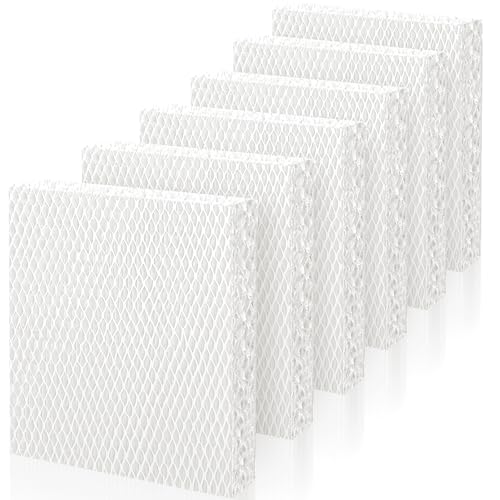
FIT MODELS-These HFT600 humidifier wicking filters T for Honeywell HFT600T HFT600PDQ Filter. Compatible with HFT600 Series HEV-600 Series: HEV615, HEV615B, HEV615W, HEV620, HEV620B, HEV620W, HEV-615, HEV-615B, HEV-615W, HEV-620, HEV-620B, HEV-620W.

4 Piece Value Pack - 4 premium humidifiers filters for your Honeywell HAC-504, HAC-504AW, and HAC-504V1 humidifier filters. Made from high-quality, durable material with an optimized filter design to maximize your compatible Honeywell HCM 350 filter moisture output
Monitoring Indoor Humidity Levels
Indoor humidity levels play a significant role in overall comfort and health within living spaces. Maintaining a humidity balance between 30% and 50% prevents discomfort and reduces risks of mold growth. To monitor humidity accurately, various measurement tools are available, including:
- Digital hygrometers: Reliable and easy to use, providing real-time readings.
- Humidity indicator strips: Affordable but only approximate.
- Dataloggers: Track humidity trends over time.
For best results, position these devices away from heat sources and in central locations to guarantee representative readings. Regularly check the measurements and analyze the data to identify trends and fluctuations. This proactive approach helps maintain ideal indoor conditions and prevents moisture damage, contributing to a healthier living environment. By utilizing advanced mist-free technology, you can further ensure that your humidifier operates effectively without promoting unwanted mold.
Recommended Products

[High Accuracy & 5s Fast Refresh]: Built-in smart temperature humidity sensor, the indoor thermometer is accurate to ±1°F while humidity is ±5%RH. Enjoy precise data from the room thermometer indoor every 5 seconds

Wellness Indicator: This humidity meter with humidity level icon indicates air conditions - DRY/COMFORT/WET, allowing this humidity sensor to ensure you’re always aware of changes to your home/household with just a quick glance

2-in-1 Thermometer Hygrometer Meter: Built-in probe for unparalleled precision. It serves as both a digital electronic thermometer and a hygrometer, meticulously engineered for indoor environmental monitoring.
Seeking Professional Help for Issues
When issues arise with a humidifier, seeking professional help is often the smartest course of action. Certified technicians possess the expertise necessary for accurately identifying issues, including mechanical failures and leaks. They conduct professional diagnostics to thoroughly assess the system’s components.
Common signs that require professional attention include:
- Persistent leaks or water pooling
- Unusual noises indicating potential motor failures
- Inconsistent humidity levels suggesting blockages or miscalibration
- Visible mold or mildew present in the unit
- Electrical malfunctions, like failure to power on
Utilizing professional services guarantees proper cleaning, repairs, and preventative actions. This not only prolongs the life of the humidifier but also improves indoor air quality, effectively minimizing the risk of mold growth.
Frequently Asked Questions
How Often Should I Replace My Humidifier’s Water Tank?
The water tank should be inspected monthly for deterioration and replaced if issues arise. Regular humidifier cleaning is essential to maintain peak performance and prolong the water tank’s lifespan, preventing costly repairs and decreasing health risks.
Can I Use Tap Water in My Humidifier?
Using tap water in a humidifier is not advisable due to tap water quality concerns, particularly mineral buildup. Such buildup can lead to inefficiency, require more maintenance, and increase the risk of mold growth.
What Symptoms Indicate the Presence of Mold in My Humidifier?
Symptoms indicating potential issues with the humidifier include persistent odors and humidity-related symptoms like sneezing or respiratory discomfort. Observing visible growth can also serve as mold identification methods for evaluating hidden contamination within the unit.
How Can I Tell if My Humidifier Filter Needs Replacing?
To determine if a humidifier filter needs replacing, monitor filter indicators like discoloration, brittleness, and reduced moisture output. Following maintenance tips, such as adhering to the replacement schedule, guarantees peak performance and air quality.
Is It Safe to Use Essential Oils in My Humidifier?
Using essential oils in a humidifier is generally unsafe; around 70% of models are not designed for this purpose. Adhering to safety guidelines guarantees protection, though alternative methods like diffusers can effectively disperse essential oil types.