As an Amazon Associate, we earn from qualifying purchases. Some links on this site are affiliate links at no extra cost to you. Our recommendations are based on thorough research and editorial judgment.


Humidifiers And Air Quality: Comfort Benefits

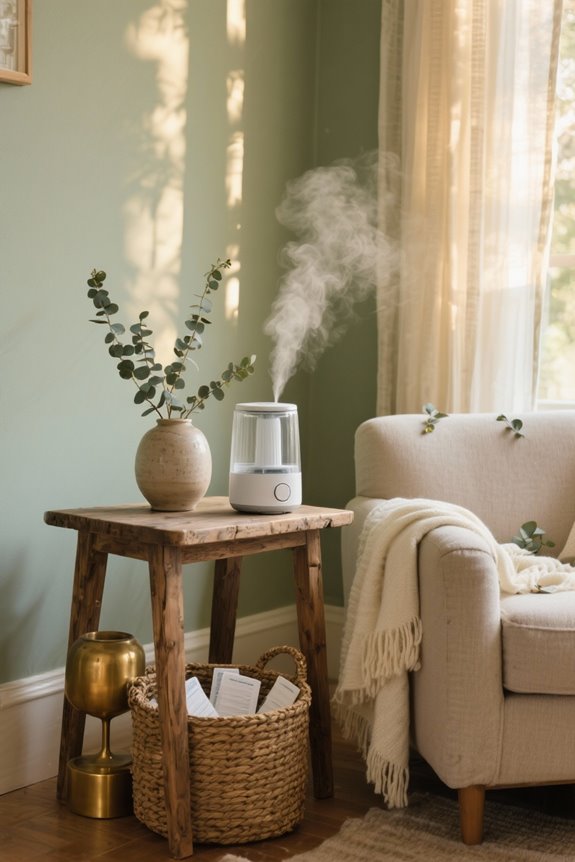
Humidifiers greatly enhance indoor air quality and comfort by adding moisture to the air. This process alleviates dryness-related irritations in skin and respiratory systems. Additionally, it supports mucous membranes, reducing the risk of infections. The right humidity levels can improve overall well-being, making breathing easier. However, it is crucial to regularly maintain humidifiers to prevent potential risks, such as aerosolizing harmful minerals. Understanding how different models work can further enhance your indoor environment. Discover more insights on maintaining ideal air quality.
Key Takeaways
- Humidifiers reduce dryness-related irritations in skin, eyes, and respiratory systems, enhancing overall comfort, especially in colder, drier months.
- Maintaining optimal humidity supports mucous membranes, reducing irritation and lowering the risk of infections.
- Adequate moisture levels improve air quality by creating a more pleasant atmosphere and reducing static electricity.
- Humidifiers alleviate respiratory discomfort by easing dry symptoms, thinning mucus, and reducing congestion.
- Regular maintenance and monitoring humidity levels are essential to maximize the comfort benefits and ensure safe air quality.
Benefits of Adding Moisture to Indoor Air
You may be interested

10 Best Ceramic Space Heaters of 2026 - Efficiency Meets Style
November 8, 2025
10 Best Console Humidifiers for Optimal Comfort and Air Quality
November 8, 2025
Adding moisture to indoor air brings several notable benefits that contribute to overall comfort and well-being. The most significant moisture benefits include the reduction of dryness-related irritation in skin, eyes, and the upper respiratory system. By managing humidity levels, individuals can experience enhanced comfort during colder months when indoor air tends to be drier.
Key advantages include:
- Alleviation of discomfort associated with dryness, which can improve daily living.
- Support for the integrity of mucous membranes, reducing irritation and potential infection entry points.
- Enhancement of perceived air quality, positively influencing indoor environments.
- Reduction of static electricity, contributing to a more pleasant setting.
Ultimately, maintaining balanced humidity fosters a healthier, more comfortable indoor experience. Using a humidifier for improved air quality can significantly enhance these benefits.
How Humidifiers Support Respiratory Health

Maintaining balanced humidity is important for promoting respiratory health in indoor environments. Humidifier usage effectively alleviates dry respiratory symptoms, which can cause irritation in the nose, throat, and airways. When humidity levels drop, individuals might experience discomfort, such as dry cough or sinus headaches.
Additionally, increased moisture helps thin mucus, making it easier to expel and reducing congestion. This is particularly helpful during colds and respiratory infections. Humidifiers may also lower the risk of respiratory infections by maintaining ideal humidity levels, which can hinder viral growth. For individuals with chronic conditions like asthma or COPD, appropriate humidifier usage helps soothe inflammation and irritation, facilitating overall respiratory relief. Monitoring humidity levels remains essential for achieving these health benefits. Optimal noise levels are also important, as many models operate under 30 dB, making them suitable for restful environments.
Recommended Products

[3-in-1 Humidifier Meets All You Expect] Cool Mist Humidifier+Aromatherapy+Mood Light, purchase for once to satisfy all you expect! Let Homvana H101 be the best companion in your bedroom.

𝐅𝐨𝐫𝐠𝐞𝐭 𝐚𝐛𝐨𝐮𝐭 𝐜𝐨𝐧𝐬𝐭𝐚𝐧𝐭 𝐫𝐞𝐟𝐢𝐥𝐥𝐬: With a 3L tank and convenient top-fill design, this humidifier large room for baby offers up to 30 hours of long run time humidification in sleep mode, ensuring dry air is no longer an issue for your family, plants, and baby.

𝙁𝙖𝙨𝙩 𝙃𝙪𝙢𝙞𝙙𝙞𝙛𝙞𝙘𝙖𝙩𝙞𝙤𝙣 𝘼𝙡𝙡 𝙉𝙞𝙜𝙝𝙩: Runs for up to 25 hours on low thanks to its SUPER LARGE capacity of 2.5 liters. The soothing moisture helps quickly relief congestion and dry throat.
Risks of Poor Air Quality With Humidifiers
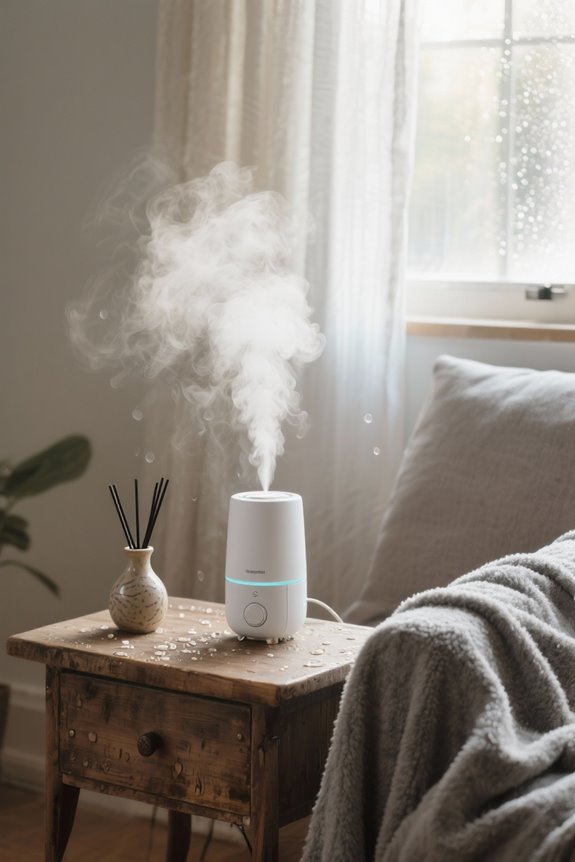
When using humidifiers, it is essential to take into account the potential risks associated with poor air quality. Ultrasonic humidifiers can aerosolize harmful minerals, leading to particle exposure. Common contaminants in tap water may include metals like lead and cadmium, which can become airborne and negatively impact lung health.
Key risks associated with aerosol exposure include:
- Chronic respiratory diseases, such as COPD and asthma.
- Acute lung inflammation and worsening asthma symptoms.
- Increased risk for vulnerable groups, like children.
Furthermore, ultrasonic humidifiers can lead to poor indoor air quality, contributing to cardiovascular issues. To minimize these risks, it is advisable to use distilled or reverse osmosis water and maintain clean humidifier tanks, thereby mitigating aerosol risks and maintaining healthier indoor environments. Additionally, incorporating Germ-Free Technology in your humidifier can help reduce the presence of harmful bacteria and allergens in the air.
Overview of Different Humidifier Types

Humidifiers come in various types, each designed to meet different needs and preferences.
- Ultrasonic Humidifiers use ultrasonic vibrations to create a fine mist, offering advantages like quiet operation and low energy consumption. They are suitable for smaller to medium rooms but require regular cleaning to prevent bacterial growth.
- Evaporative Humidifiers utilize a fan to blow air through a wet wick, providing efficiency by self-regulating moisture output. They are effective in hard water areas, making them a practical choice.
- Warm and Cool Mist Humidifiers provide temperature-specific options, with warm mist ideal for colder climates and cool mist recommended for respiratory relief.
- Whole-House Humidifiers offer consistent humidity throughout an entire home but require professional installation and are more expensive initially. Many of these units enhance indoor air quality by maintaining optimal levels of humidity, which can significantly improve comfort and health.
Recommended Products
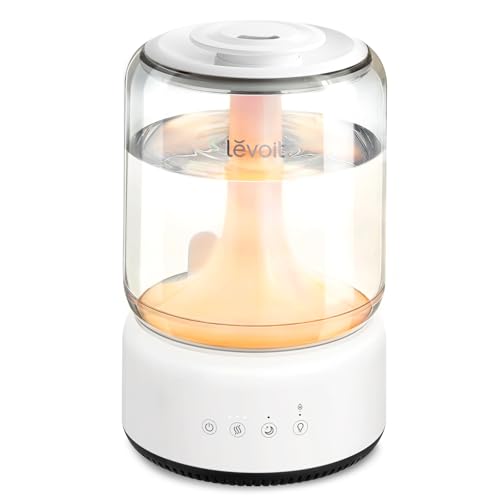
𝑮𝒐𝒐𝒅𝒃𝒚𝒆 𝑫𝒓𝒚 𝑨𝒊𝒓, 𝑹𝒆𝒔𝒕𝒐𝒓𝒆 𝑪𝒐𝒎𝒇𝒐𝒓𝒕: 270 mL/h mist output, 432 ft² coverage, and 46.8-inch mist height* to powerfully humidify your room and relieve dryness fast. *The height includes the product height.

【25H Runtime & Rapid Relief】The 2L tank provides 25 hours of continuous mist on low. Use high-output mode (200ml/h) for instant relief from dry throat and congestion within minutes. (Note: Use on hard surfaces; avoid carpets.)

【Smart App & Remote & Touch Control】Connect the smart humidifier to the smart(TUYA) app to easily set up the large humidifier, you can control the air humidifier on your phone at any time. Adjust the customize humidity, timers, mist levels, night light and sleep mode. Large Room humidifier for bedroom also works with remote and touch control,You can create a moist and comfortable living environment at your own pace.(Only Support 2.4G Wi-Fi.)
Maintenance Tips for Optimal Humidifier Performance
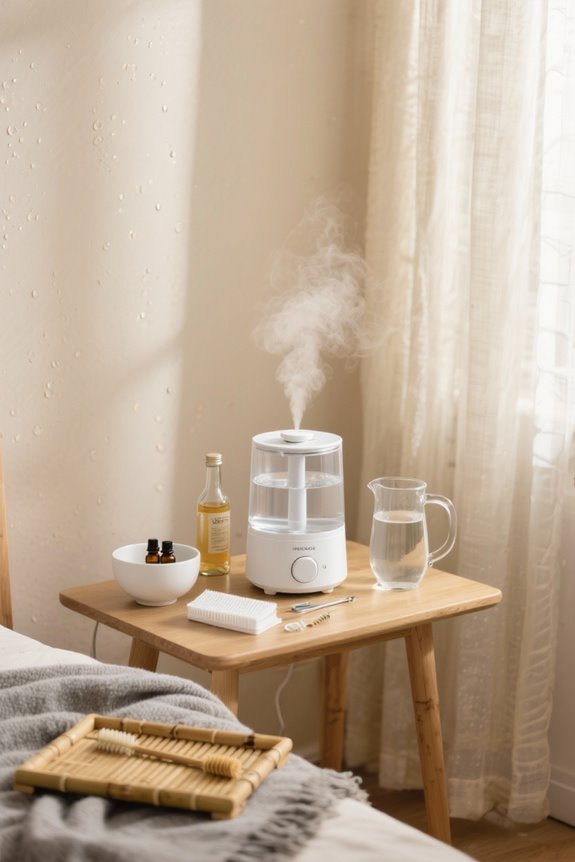
Proper maintenance is crucial for guaranteeing ideal humidifier performance and prolonging the unit’s lifespan. Regular cleaning and descaling methods are essential for peak functionality.
- Maintenance Frequency: Clean water-contacting parts at least twice weekly to avoid mold and mineral buildup. Tanks should be scrubbed every three weeks with mild soap.
- Descaling Methods: Use undiluted white vinegar to descale ultrasonic humidifier plates effectively.
- Replace evaporator pads annually and inspect them regularly for scale.
- Daily, empty and rinse water tanks to prevent stagnation.
Additionally, use distilled water to reduce mineral deposits and maintain efficiency. By following these maintenance tips, users can guarantee their humidifiers function smoothly and provide healthy air quality.
Recommended Products

8-in-1 Value-Multi-Kit - Lumkew small cleaning brush for household use set includes crevice brush, bottle brush, groove brush, gap brush, edge brush, detailing brush, track brush, corner brush, and hole brush. Different shapes and sizes to meet different cleaner need, like cleaner to make dirty small spaces shinning
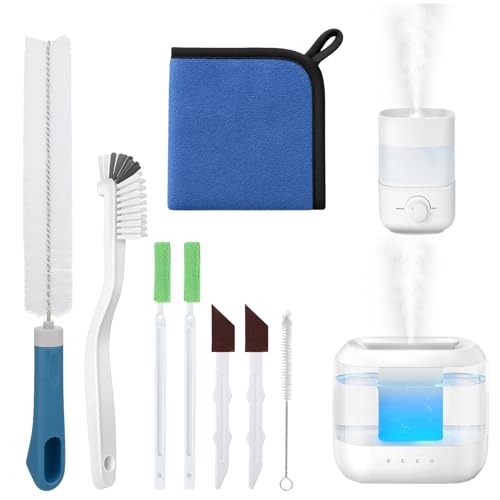
Humidifier Cleaning Solution:Still looking for a cleaning tool that can thoroughly clean your humidifier? Come and try our humidifier cleaning brush set!The nylon brush cleans the stains on the base, the sandpaper brush powerfully removes the severe scale at the bottom, and the long brush can easily reach the air outlet and the interior of the water storage tank, thoroughly cleaning every corner of the humidifier in all aspects, making your humidifier look brand new and more reassuring to use.

Bottle cleaning brushes with multiple usage includes 7.9-12.5 inches straw tube cleaning lab brushes, 16 inches long handle beer bottle brush, 14 inches sports water bottle brush, 10 inches multifunction sponge brush and 4.3 inches spout cleaning brush; You can hang them on hook for drying and storage.
Balancing Humidity Levels for Healthier Air
Maintaining a balanced indoor humidity level is essential for both comfort and health. The ideal range is generally between 30% to 50% relative humidity (RH), which supports air quality and prevents issues such as mold growth and respiratory problems.
To achieve effective humidity control:
- In winter, aim for 35% to 45% RH to minimize window condensation.
- In summer, maintain 40% to 50% RH to inhibit mold while ensuring comfort.
- Monitor humidity levels using a digital hygrometer to stay within the preferred range.
- Utilize humidifiers during dry months and dehumidifiers in humid conditions to adjust levels accordingly, as advanced mist-free technology can prevent the buildup of white dust and enhance air quality.
Recommended Products

Wellness Indicator: This humidity meter with humidity level icon indicates air conditions - DRY/COMFORT/WET, allowing this humidity sensor to ensure you’re always aware of changes to your home/household with just a quick glance

Smart Features: The Govee Wireless Thermometer Hygrometer supports all basic functions as well as smart functions such as remote monitoring and temp humidity graphs. Our humidity meters are reliable and easy to use for homes, greenhouses and more.(Only supports 164ft Bluetooth connection)

White Humidity and Temperature Monitor: Ideal for a living room, baby nursery, kitchen, greenhouse, or wine cellar
Understanding the Impact on Skin and Hair
Indoor humidity levels play a significant role in skin and hair health, as fluctuations can impact hydration and overall appearance.
- Skin Hydration: Low humidity can cause dry skin, leading to issues like eczema and impaired barrier function. Maintaining a relative humidity of 45-50% helps preserve skin hydration, reducing transepidermal water loss.
- Hair Health: Humid conditions can cause frizzy hair, yet ideal humidity supports hair elasticity and prevents dryness. Humidifiers can help maintain this balance by providing adequate moisture levels in the air.
- Product Selection: Adapting skincare and haircare routines to humidity levels is essential. Individuals should use appropriate moisturizers and hair products to enhance their skin hydration and hair health based on environmental conditions. Moreover, maintaining optimal humidity levels can lead to improved air quality, benefiting both skin and respiratory health.
The Importance of Clean Humidifiers for Comfort and Safety
Clean humidifiers are vital for guaranteeing comfort and safety in indoor environments. Routine maintenance contributes greatly to humidifier hygiene, preventing harmful microbial growth. To avoid respiratory issues and maintain air quality, users should clean humidifiers every three days.
Key maintenance practices include:
- Daily emptying, drying, and refilling of water tanks to minimize microbial accumulation.
- Using low mineral content water to prevent mineral scale buildup.
- Replacing water panels annually to guarantee efficient moisture output.
Regular inspections and planned maintenance prevent mechanical failures, leaks, and increased energy costs. Consequently, clean humidifiers not only enhance comfort by reducing dry skin and static electricity but also create healthier indoor environments, essential during dry or cold seasons. Prioritizing cleanliness maximizes a humidifier’s efficiency and effectiveness, ensuring optimal humidity levels for overall well-being.
Recommended Products

Product Content: You will receive 13 pieces of cleaning brush kit, specially designed for humidifier deep cleaning, also perfect for scrubbing tiny gaps of keyboards, air conditioners and other small home appliances, a versatile cleaning essential for home use.

Continuous cleaning: This humidifier water filter cartridge helps keep your humidifier cleaner longer
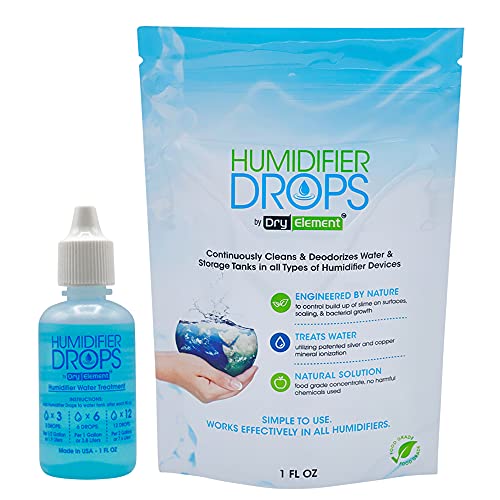
THE ORIGINAL FORMULA: We are the first and the only true authentic humidifier treatment solution on the market. We thank our customers for their trust and support.
Frequently Asked Questions
How Often Should I Change the Water in My Humidifier?
Like a daily ritual, water maintenance in a humidifier should occur each day to guarantee humidifier hygiene. Changing the water prevents mold and bacteria, promoting better air quality and device efficiency over time.
Can Humidifiers Help With Allergies?
Humidifiers can assist with allergies by promoting allergen reduction and benefiting respiratory health. By maintaining ideal humidity levels, they reduce nasal inflammation and irritation, creating a more comfortable environment for individuals suffering from allergy symptoms.
Is It Safe to Use a Humidifier While Sleeping?
Using a humidifier while sleeping is safe, provided safety guidelines are followed. Maintaining humidity between 30-50% enhances sleep comfort, prevents discomfort caused by dryness, and reduces risks of mold and bacteria growth.
What Symptoms Indicate I Need a Humidifier?
Common symptoms indicating a need for a humidifier include persistent dry skin, sinus congestion, frequent coughing, and nosebleeds. These signs suggest that indoor air moisture levels are inadequate, leading to discomfort and irritation.
Do Ultrasonic Humidifiers Make Noise During Operation?
Ultrasonic humidifiers, equipped with whisper technology, typically operate at low sound levels, making them nearly silent. Noticeable noise often indicates mechanical issues, necessitating maintenance or repairs to guarantee peak performance and quiet operation.