As an Amazon Associate, we earn from qualifying purchases. Some links on this site are affiliate links at no extra cost to you. Our recommendations are based on thorough research and editorial judgment.


Avoiding Space Heater Fire Hazards

To avoid space heater fire hazards, guarantee heaters are at least three feet away from flammable materials, like bedding or curtains. Always plug heaters directly into wall outlets and avoid using extension cords. Regularly inspect cords for damage and maintain heaters properly. Use UL-approved models with safety features, such as tip-over switches and automatic shut-off mechanisms. Educating yourself about placement and safety can prevent accidents, paving the way for safer heating practices this season. More insights await on effective safety measures.
Key Takeaways
- Keep space heaters at least three feet away from flammable materials and bedding to minimize fire hazard risks.
- Regularly inspect cords and plugs for damage, and unplug heaters when not in use to prevent malfunctions.
- Use only UL-approved heaters with built-in safety features such as tip-over switches and automatic shut-off functions.
- Avoid using space heaters in damp areas like bathrooms or kitchens to reduce the risk of electric shock.
- Ensure smoke and carbon monoxide detectors are functional to enhance safety and alert you to potential hazards.
Understanding the Risks Associated With Space Heaters
You may be interested

Child Safe Heater Features
January 4, 2026

Heater Overheat Protection: Why It Matters
January 4, 2026

Heater Safety Around Children And Pets
January 4, 2026
Understanding the risks associated with space heaters is essential for ensuring home safety, especially during colder months. Awareness of risk perception is vital; many underestimate the hazards linked to heat sources like space heaters.
Key risks include:
- Fire Hazards: Space heaters cause 21,800 to 25,000 residential fires annually in the U.S., resulting in around 300 deaths.
- Carbon Monoxide Poisoning: Fuel-burning heaters can emit toxic gases, risking indoor air quality.
- Electrical Issues: Using heaters in damp areas increases electric shock dangers due to misuse.
- Proximity to Combustibles: Placing heaters too close to flammable materials greatly raises fire risk.
Staying informed and practicing safety measures can help mitigate these dangers, promoting a safer living environment during winter months. Additionally, it is crucial to choose models with comprehensive safety features to reduce the likelihood of accidents while operating space heaters.
Common Causes of Space Heater Fires

Space heaters, although often convenient for heating specific areas of a home, can present significant fire hazards if not used correctly. Common ignition sources include flammable materials such as curtains, bedding, and furniture being too close to the heater. About 48% of space heater fires occur due to this proximity. Additionally, faulty electrical components, like worn power cords and overloaded outlets, can spark and ignite nearby objects. Heater maintenance practices are essential; neglecting regular checks can lead to mechanical failures or dirt buildup, increasing fire risk. Leaving space heaters unattended also raises the chance of fires, especially in cluttered or unstable areas. Adhering to safety features and proper usage guidelines is imperative to minimize these dangers. For instance, ensuring that your heater has certification like ETL or UL can enhance reliability and safety compliance.
Recommended Products

CUSTOMIZABLE HEATING OPTIONS: Choose from three settings to suit your needs - High (1500W), Low (900W), or Fan Only for air circulation without heat.

ETL-Certified Safety: Made of V0 flame-retardant materials with multiple safety features including built-in smart tip-over protection, overheat protection, 12-hour timer, 24-hour automatic power off without interaction, V0 flame retardant 2-prong plug, and sturdy 6ft long flat power cord. Safe and worry-free all-day use. Safety Reminder: Please do not use with an extension cord. Only plug directly into the wall outlet.

Efficient and Fast Heating: The indoor small-space heater features advanced PTC ceramic heating technology, providing rapid heat-up in seconds and delivering continuous warmth to small spaces. It is ideal for various settings, including bedrooms, offices, and living rooms.
High-Risk Areas in Your Home

Where are the most dangerous spots for using space heaters in a home? Certain high-risk areas require extra fire safety considerations and heater precautions.
- Living Rooms: Space heaters should not be within three feet of combustible items like curtains or upholstered furniture.
- Bedrooms: Placing heaters near bedding increases fire risks. Verify at least three feet of clearance from all bedding materials.
- Bathrooms and Kitchens: Avoid heaters near water sources and flammable cooking materials. It’s essential to choose heaters with safety features like automatic shut-off to enhance protection in moist environments.
- Entryways and Hallways: Narrow spaces can lead to heaters being tipped over, so keep them clear of clutter.
- Attics, Basements, and Garages: Flammable liquids and poor ventilation heighten risks considerably.
Remaining vigilant in these areas can help reduce potential dangers associated with space heater use.
Importance of Proper Space Heater Placement

Proper placement of space heaters markedly enhances safety and minimizes fire hazards. A critical aspect of heater location is maintaining a minimum clearance of three feet from combustible materials such as furniture and curtains. This safe distance prevents ignition from radiant heat. Additionally, heaters must be placed on hard, flat surfaces to reduce tip-over risks.
Avoid sockets near water sources and rooms with flammable liquids, as these increase hazards. Placing heaters on level ground prevents accidental knocking over. The best installation guarantees air circulation and avoids overcrowded spaces. Regularly check cords for damage to reduce fire risks. Following these practices guarantees effective heating while minimizing potential dangers associated with improper placement. It’s also important to recognize that selecting heaters with safety features can significantly improve overall fire safety. Always prioritize safety in heater location decisions for peace of mind throughout the season.
Recommended Products

CUSTOMIZABLE HEATING OPTIONS: Choose from three settings to suit your needs - High (1500W), Low (900W), or Fan Only for air circulation without heat.

Powerful heat that fits everywhere: DREO space heaters for indoor combines Hyperamics 1500W advanced PTC system with a new heat funnel design to deliver heat within seconds and enhance warm air circulation for up to 200% farther reach than traditional heaters.

COMPACT DESIGN: Measuring just 5.9”D x 3.2”W x 6.0”H, this heater is ideal for tables, desks, or other small spaces, providing warmth without taking up much room.
Electrical Safety Tips for Space Heater Use

Guaranteeing electrical safety when using space heaters is essential for preventing accidents and protecting households from fire hazards. Following space heater regulations enhances safety. Key tips include:
- Use only UL-approved space heaters with safety features like tip-over shut-off and guards.
- Always plug heaters directly into wall outlets; extension cords can cause overheating.
- Maintain a three-foot clearance from flammable materials to minimize fire risk.
- Regularly inspect cords for wear and unplug heaters when not in use.
- For emergency preparedness, verify smoke and carbon monoxide detectors are functional. Additionally, look for heaters with overheat protection to further reduce safety risks.
Recommended Products
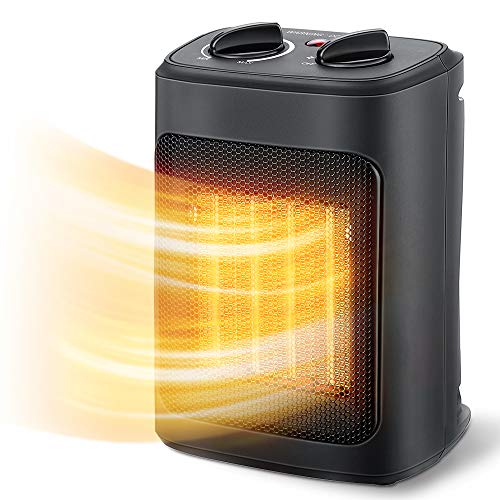
GET NICE & TOASTY FASTER: The advanced PTC ceraming heating technology combined with the ultra-efficient fan will heat up any space faster and distribute the heat more evenly. Just turn on your space heater, count to 3, and enjoy your warm living room, bedroom or office.

2 in 1 heater fan: This ceramic heater offers dual heating modes (1500W/750W) plus a cool air fan, making it ideal for both winter and summer. With automatic thermostat control, it cycles on and off to maintain your preset temperature without any manual adjustment. A practical and thoughtful gift for working from home, or for family, friends, and colleagues during the cold season.

COMPACT DESIGN: Measuring just 5.87”D x 3.15”W x 5.95”H, this heater is ideal for tables, desks, or other small spaces, providing warmth without taking up much room.
Maintenance Practices to Prevent Fires
Regular maintenance of space heaters is essential for fire safety and efficient operation. Adhering to maintenance schedules and conducting regular heater inspections can prevent potential hazards.
- Inspect cords and plugs for damage before use, and clean vents to guarantee proper airflow.
- Maintain a minimum of three feet clearance from flammable materials, and make certain heaters are stored safely during off-seasons.
- Conduct annual professional servicing for fuel-burning models to prevent soot buildup.
- Test automatic shut-off and overheat protection systems to confirm they function properly.
- Avoid using extension cords, and verify that power cords are undamaged and properly routed.
- Additionally, consider utilizing automatic shut-off features to enhance safety during operation.
These practices will help guarantee that space heaters operate safely and effectively throughout their usage.
Recommended Products
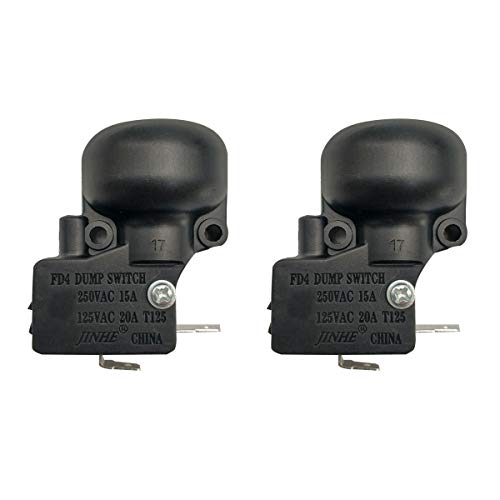
For safety, if the heater tips or falls over, this device will automatically shut your heater off

New manual style anti tilt switch for Patio Heater ; Space Gas heater replacement part.

[Compatible with 3 Generations]Designed to work with the Nintendo Switch 2, Switch OLED, and Switch official dock
Seasonal Trends in Space Heater Incidents
Why do space heater incidents increase during the winter months? Seasonal patterns show that nearly half of all home heating equipment fires occur between December and February. This surge correlates with the increased fire frequency in colder months, as more people rely on space heaters for extra warmth. Space heaters cause over 40% of heating-related fires annually, highlighting their role as a primary hazard.
Key factors contributing to this trend include:
- Longer operating hours and increased usage
- Common placement near flammable materials, like curtains
- Use in sleeping areas, often unattended
- Connecting heaters to power strips, leading to overload risks
Awareness of these seasonal trends can help manage fire risks and promote safer heating practices. Additionally, understanding the importance of safety features ensures that users are better protected against potential hazards while using space heaters.
Education and Awareness for Fire Safety
How can education and awareness improve fire safety when using space heaters? Enhanced fire education can markedly reduce fire risks associated with space heaters.
- Important educational messages include maintaining at least three feet of clearance from combustibles and using heaters with safety certifications.
- Community engagement plays an essential role in disseminating this information.
- Tailored outreach, especially in high-risk populations, can use visuals to communicate safety practices effectively.
- Programs providing free smoke alarms and fire safety workshops not only raise awareness but also empower local residents.
- Encouraging the development and practice of fire escape plans is critical. Additionally, understanding the importance of fire safety certifications can significantly aid in selecting safe space heaters.
Myths Surrounding Space Heater Use
What common misconceptions exist about space heater use? Space heater myths suggest that all devices are inherently dangerous. While approximately 25,000 fires annually stem from heater-related incidents, risk arises from improper use rather than the heaters themselves.
To guarantee heater safety, consider the following points:
- Misuse Risks: Leaving heaters unattended, placing them near flammable items, or using faulty equipment increases fire hazards.
- Unplugging Necessity: Simply turning off a heater does not eliminate risks. Unplug it to prevent possible electrical fires.
- Home Fire Risks: Residential use presents unique dangers, given proximity to combustibles like furniture and curtains.
- Cost Myths: Using space heaters may not save money, as electric heating often proves costlier than central heating systems.
- Safety Features: Essential safety features in modern electric heaters, such as overheating protection, help minimize the risk of fires.
Understanding these facts can aid in effective and safe usage.
Safety Features to Look for in Space Heaters
When steering through the selection of a space heater, safety features play an essential role in guaranteeing appropriate use and minimizing fire hazards.
Key safety features to evaluate include:
- UL Certification: Confirm the heater meets safety standards through testing by trusted agencies.
- Tip-Over Switch: This feature automatically shuts off the heater if it is knocked over.
- Automatic Shut-Off: Look for units that turn off when overheating occurs.
- Heat Settings: Multiple settings allow for better temperature control, preventing excessive heat.
- Secure Cord Management: This helps prevent tripping hazards.
- Smoke Alarms: Always use smoke detectors when operating any heater type. Moreover, ensure that the heater comes equipped with safety features like thermal overload protection and tip-over shut-off systems for added peace of mind.
Recommended Products
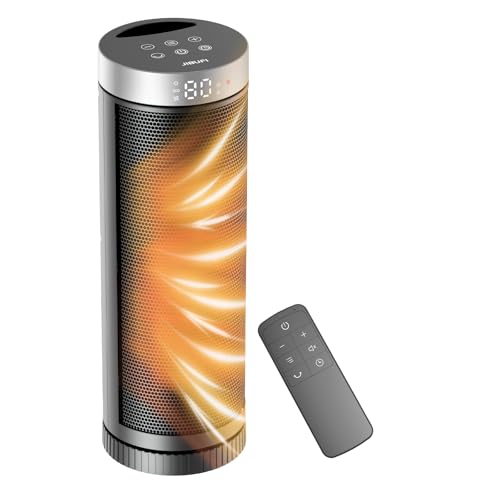
Three Power Settings: This indoor space heater offers three adjustable power levels—700W, 1000W, and 1500W—allowing you to switch freely based on ambient temperature and personal needs. Suitable for various indoor environments.

【Durable & Portable Space Heater】The SHINIC milkhouse heater features a heavy-duty, all-metal housing that is durable and strong enough to last for years. Equipped with an stay-cool convenient carry handle, help you easy to move this heater when it's working

Fast & Efficient Heating: The PTC ceramic heater heats up in just seconds, delivering continuous warmth while maintaining energy efficiency.
Frequently Asked Questions
Can I Use Space Heaters Outdoors?
Space heaters outdoors? Imagine a sizzling spectacle of sparks! However, the truth reveals diminished heating efficiency and outdoor safety risks. Instead, opt for specially designed outdoor heaters to avoid hazards and guarantee warmth without worry.
How Long Can I Safely Leave a Space Heater On?
A space heater can safely run for 6 to 8 hours during daytime, optimizing energy efficiency, while overnight use should be limited to 4 to 6 hours, preferably with safety features like automatic shutoff.
Are There Specific Safety Certifications I Should Look for in Space Heaters?
When choosing a space heater, one should look for recognized safety certifications like UL, ETL, or FM. These heater certifications guarantee compliance with rigorous safety standards, guiding consumers toward safer heating choices amid countless options.
What Should I Do if My Space Heater Starts Making Unusual Noises?
If a space heater exhibits noisy operation, one common solution involves checking for loose parts or obstructions. If noises persist, it is advisable to turn off the unit and consult the manufacturer’s guidelines for assistance.
How Can I Educate My Children About Space Heater Safety?
To educate children about space heater safety, parents should explain essential space heater rules through engaging safety demonstrations, emphasizing dangers and practices, while ensuring children grasp the importance of maintaining a safe distance and supervision.
