As an Amazon Associate, we earn from qualifying purchases. Some links on this site are affiliate links at no extra cost to you. Our recommendations are based on thorough research and editorial judgment.


Heater Safety Around Children And Pets

Heater safety around children and pets is essential. Unattended heaters can lead to burns and fire hazards. To maintain safety, keep heaters on hard surfaces and away from flammable materials. Create a safety zone of three feet and guarantee adequate supervision. Install carbon monoxide alarms and regularly inspect heating equipment for potential risks. Educating household members about safe practices can further prevent accidents. Understanding these fundamentals can help create a safer environment for all. There is more to explore on this topic.
Key Takeaways
- Maintain a safety zone of at least three feet around heaters to prevent children and pets from accidental burns and injury.
- Supervise children and pets near heaters, ensuring they understand the dangers associated with heat sources.
- Use heaters with built-in safety features like tip-over protection to reduce risks when in use around children and pets.
- Educate family members about heater safety and the importance of avoiding contact with hot surfaces to prevent accidents.
- Consider alternative heating solutions, like battery-powered heated blankets, to minimize the use of traditional heaters around young ones and animals.
Understanding the Risks of Heater Use Near Children and Pets
You may be interested

Avoiding Space Heater Fire Hazards
November 16, 2025

Candle Safety Around Pets: Tips
November 16, 2025

Child Safe Heater Features
November 16, 2025
The use of heaters in homes, especially during colder months, requires careful consideration regarding the safety of children and pets. Heat exposure from portable heaters can lead to serious injuries, such as burns from hot surfaces. Heaters must be placed securely to avoid tipping, and should not be located near combustible materials.
- Unattended heaters can pose fire risks, so supervision is vital.
- Always make certain electric heaters are plugged directly into wall outlets, avoiding extension cords.
Additionally, vehicle safety is important when traveling with pets or children. Leaving them in vehicles, even briefly, can lead to dangerous heat buildup. Awareness and vigilance in both home and vehicle settings are essential to protect children and pets from these risks. An important aspect of ensuring safety is familiarity with ergonomic designs that enhance comfort and reduce hazards in the home environment.
Preventing Carbon Monoxide Poisoning
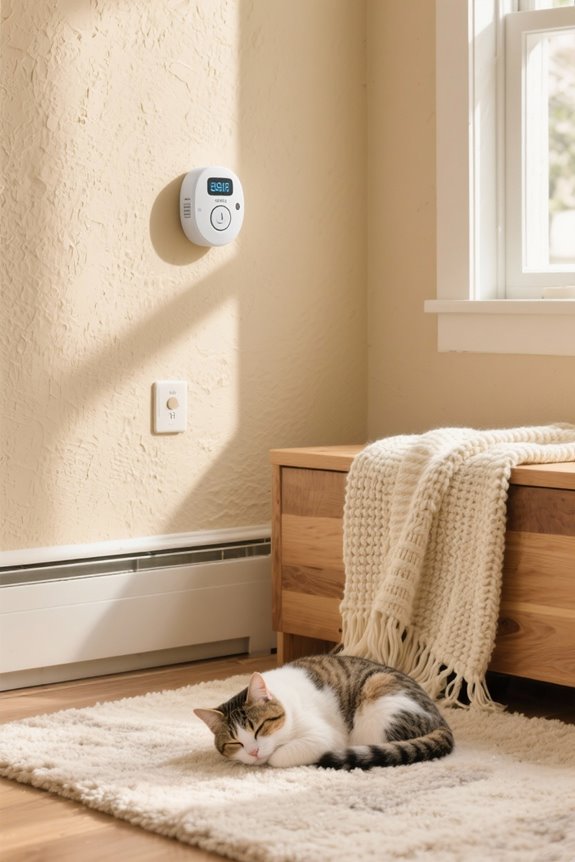
Ensuring safety around heaters extends beyond preventing burns; it also involves protecting against carbon monoxide (CO) poisoning, a serious risk linked to fuel-burning appliances. To minimize this risk, homeowners should prioritize carbon monoxide detection through the installation of UL-listed alarms on every level of the home.
Key preventive measures include:
- Scheduling yearly inspections of heating systems, ensuring proper venting of combustion gases.
- Using only certified space heaters and operating them according to manufacturer instructions. Models like the DeWalt DXH1000TS provide built-in thermostat settings to help maintain safe temperatures.
- Following emergency planning guidelines, such as evacuating immediately if a CO alarm sounds and not re-entering until the hazard is eliminated.
Recommended Products

Please Note: The SC07 is a basic standalone unit. It does not support wireless interconnection, Wi-Fi, or base station connection; for wireless interconnection, search for SC07-W
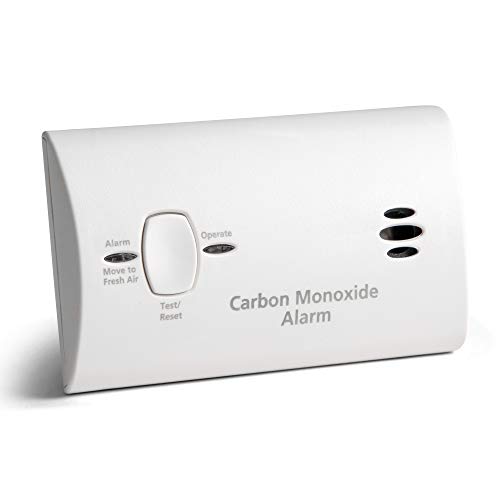
Electrochemical sensor technology detects CO gas
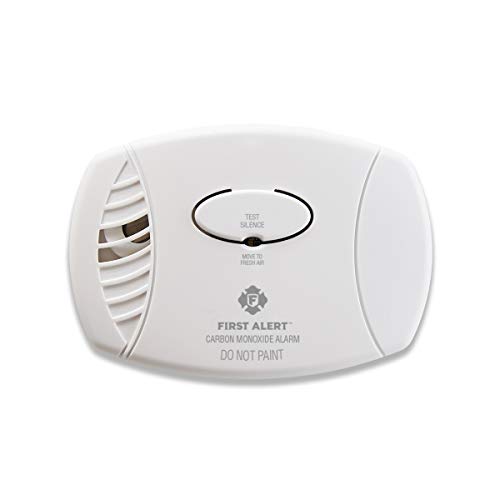
Keep your family safe with this easy to use plug in carbon monoxide alarm; It works with any standard outlet and also has a battery backup for continuous monitoring of Carbon Monoxide levels, even if there's a power failure
Fire Hazards Associated With Heating Equipment
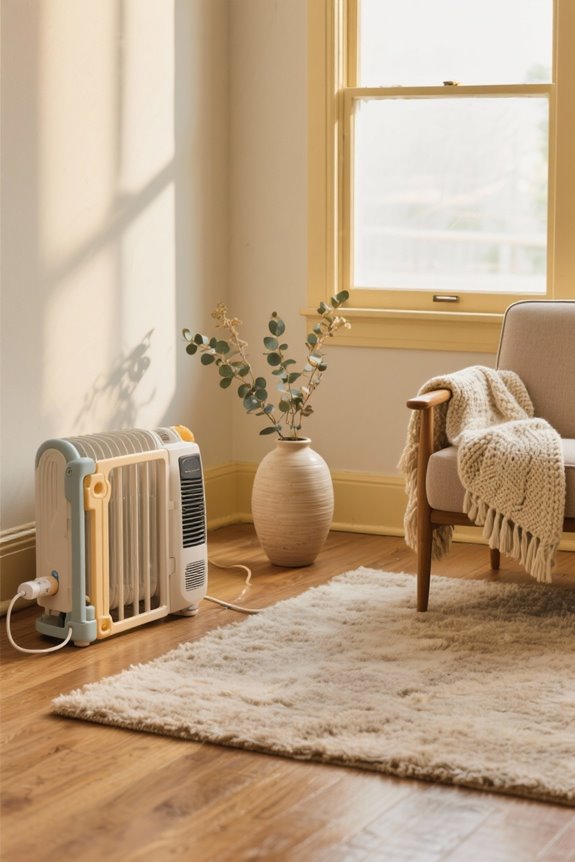
Fire hazards associated with heating equipment present a significant risk in many households, especially during colder months. According to fire statistics, portable heaters are responsible for 41% of fatal residential heating fires, with most incidents occurring in bedrooms. Common ignition sources include bedding and proximity to combustibles.
Heating sources such as space heaters account for 44% of home heating fires, causing 86% of heating-related deaths. Nearly half of these fires happen in December, January, and February. Additionally, effective heating solutions can help reduce the potential for these dangers by ensuring safe and efficient operation of heating devices.
Furthermore, failure to maintain solid-fuel heating systems leads to frequent chimney fires. Understanding these risks can help families take necessary precautions to reduce dangers associated with heating equipment, ensuring safer environments for both children and pets.
Recommended Products

ETL-Certified Safety: Made of V0 flame-retardant materials with multiple safety features including built-in smart tip-over protection, overheat protection, 12-hour timer, 24-hour automatic power off without interaction, V0 flame retardant 2-prong plug, and sturdy 6ft long flat power cord. Safe and worry-free all-day use. Safety Reminder: Please do not use with an extension cord. Only plug directly into the wall outlet.
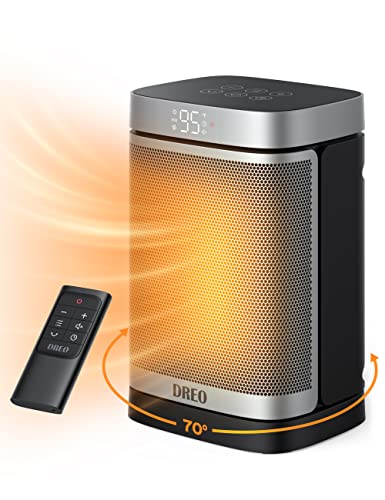
Faster Heat Than Ever: Powered by DREO Hyperamics Technology, Atom One space heater heats up more efficiently with up to 1500W working power, reaching your desired temperature immediately, letting you feel fast, balmy heat straight away. This electric heater is meant to sit by your feet on the floor, near your hands on a desk, or carry around indoors. Add our heaters for indoors use to your cart & experience our amazing heater and customer service

CUSTOMIZABLE HEATING OPTIONS: Choose from three settings to suit your needs - High (1500W), Low (900W), or Fan Only for air circulation without heat.
Safe Practices for Using Portable Heaters
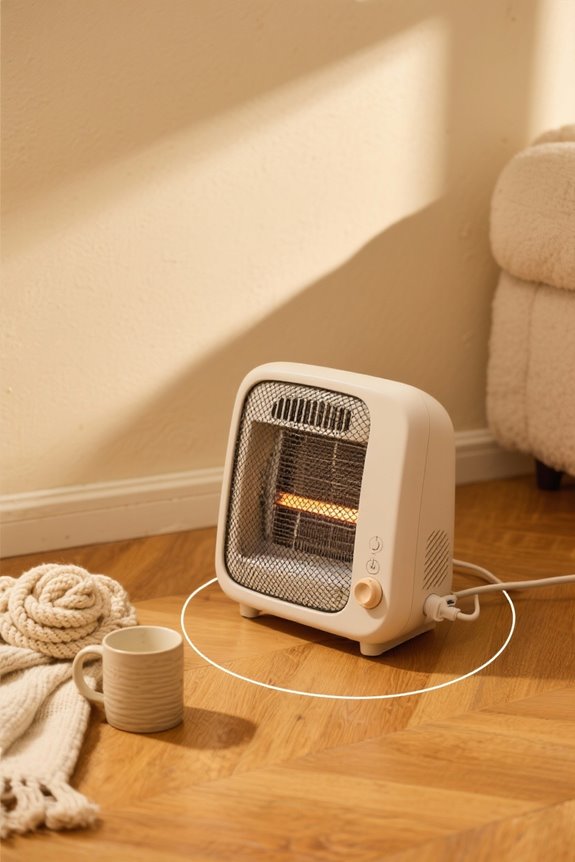
Portable heaters can provide valuable warmth during cold weather, but utilizing them safely is vital for protecting both children and pets. Following safe heater placement practices guarantees stability and minimizes hazards. Heaters should be placed on hard, level, nonflammable surfaces, maintaining a safety zone of at least three feet around all sides.
Proper heater cord management is also important. Avoid using extension cords, which can increase fire risks. Instead, plug heaters directly into a wall outlet, and verify that cords are free from damage. Regularly inspect the heater, power cord, and plug for visible wear. Educating household members about these practices can greatly reduce the risk of accidents associated with portable heaters. It’s also essential to ensure that your heater has built-in safety features like tip-over protection and overheat safeguards to enhance safety further.
Recommended Products

Compact and Space-Saving Design: Our space heater features a compact and sleek design that takes up minimal space. desk heater is perfect for small rooms, dorms, offices, and apartments. It is the perfect choice for your efficient heating in winter

Powerful heat that fits everywhere: DREO space heaters for indoor combines Hyperamics 1500W advanced PTC system with a new heat funnel design to deliver heat within seconds and enhance warm air circulation for up to 200% farther reach than traditional heaters.

COMPACT DESIGN: Measuring just 5.9”D x 3.2”W x 6.0”H, this heater is ideal for tables, desks, or other small spaces, providing warmth without taking up much room.
Creating a Safe Environment for Children and Pets
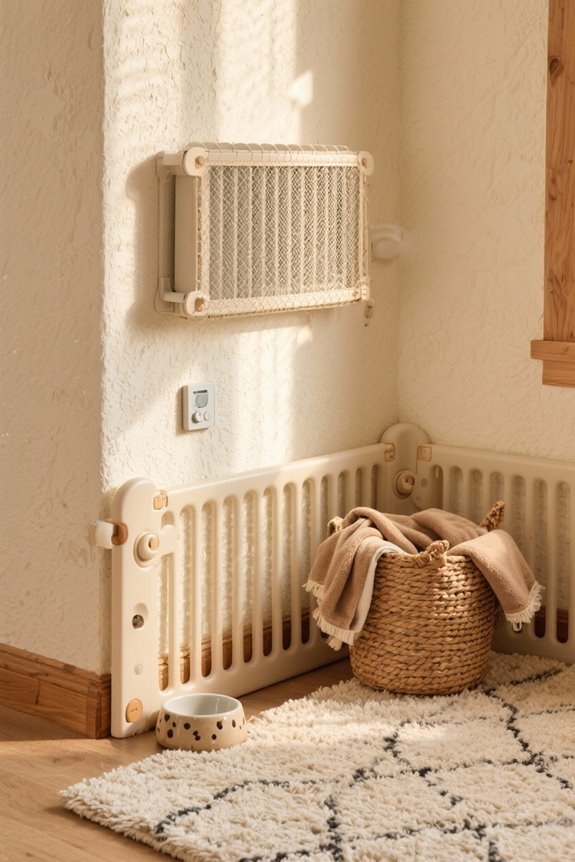
Creating a safe environment for children and pets around heating devices involves careful planning and awareness of best practices.
To guarantee safety, homeowners should establish safe zones around heaters. This includes:
- Installing heaters at least 72 inches high, out of reach.
- Creating a three-foot barrier around heaters to prevent accidental burns.
- Using physical barriers, such as safety gates or playpens, to block access to heaters.
Additionally, secure cords and plugs out of reach by routing them along walls or using protectors. Educating older children about heater dangers and maintaining constant supervision is essential. Installing CO alarms and verifying heaters are certified can further enhance safety. By following these guidelines, families can help protect their most vulnerable members from potential hazards associated with heating devices. Furthermore, the use of microfiber blankets can provide an extra layer of warmth without the worry of high-temperature burns from heaters.
Recommended Products

Good resistance to high temperatures for extended periods of time, which prolongs service life

2025 Upgrade: The open button on the baby gate has been upgraded. The new design is more durable and easier to use, ensuring long-lasting quality and worry-free operation. We are committed to listening and improving to provide a safer and more comfortable environment for children and pets

Importance of Regular Maintenance and Inspections
Guaranteeing safety around heaters goes beyond creating safe zones; it also involves regular maintenance and inspections of heating systems. Regular maintenance offers numerous benefits, such as preventing heating system failures. Approximately two-thirds of boiler failures stem from inadequate care.
- Heating units require annual inspections to identify safety component issues.
- Professional checks can detect carbon monoxide risks and vent blockages.
Inspection frequency is vital. Yearly evaluations confirm safe operation and lower fire hazards.
- Routine cleaning eliminates dust and debris, reducing fire risks.
- Timely filter replacement maintains system efficiency and prevents overheating. Additionally, features such as auto shut-off enhance safety for families with children and pets.
Recommended Products

DETECTS CARBON MONOXIDE: Model COB monitors CO and sounds a loud 85 dB alarm to signal evacuation to fresh air; LED warning light indicates hazard; Test/Hush button allows quick checks or temporary silencing
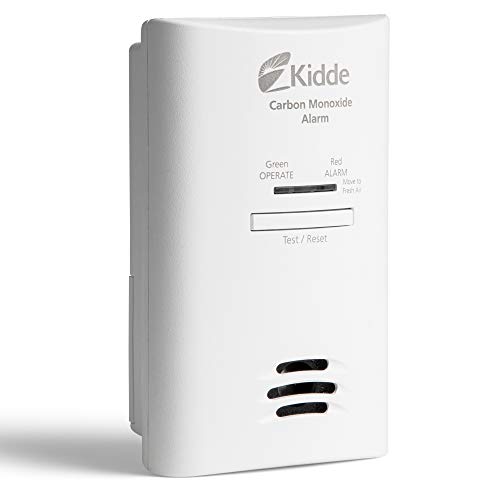
Easy Installation - simply plug-in to a standard, 120V outlet in your home

First Alert's Precision Detection advanced sensing technology complies with new industry standards to reduce cooking nuisance alarms and provides early warning in the event of a home fire emergency
Educating Household Members on Safety Protocols
How can households better protect their members from heater-related hazards? One effective method is through family involvement in safety protocols. Parents should conduct safety demonstrations, walking through each room to identify potential risks from a child’s or pet’s perspective.
Key steps include:
- Ensuring everyone participates in discussions about heater safety.
- Utilizing visual aids like posters or videos to enhance understanding.
- Regularly reviewing safety rules during family meetings.
- Practicing evacuation drills to reinforce escape plans. Additionally, families should familiarize themselves with safety features to ensure all heating devices are used correctly and safely.
Special Considerations for Vehicle and Home Heating Safety
While vehicle and home heating safety may seem like separate concerns, both present significant risks to the safety and well-being of children and pets.
Vehicle Safety Considerations
- Temperatures inside vehicles can rise quickly, even on mild days.
- Children left unattended in vehicles are at risk year-round, leading to an average of 37-39 fatalities annually from heat exposure.
- Always check the back seat to guarantee no child or pet is left behind.
Home Heating Safety Considerations
- Never leave children or pets unattended near heating appliances.
- Maintain a three-foot zone around heaters and stoves.
- Regularly inspect heating equipment to prevent fires.
- Install smoke and carbon monoxide detectors near all sleeping areas for safety. Battery-powered heated blankets can offer a safe and cozy solution for families looking to maintain warmth without traditional heating methods.
These precautions help reduce risks associated with heating and vehicle safety.
Frequently Asked Questions
What Types of Heaters Are Safest for Homes With Children and Pets?
Electric heaters, particularly infrared models, are considered safer for homes with children and pets due to their cool surfaces and precise heating. Gas heaters, while effective, pose additional risks that may not be suitable.
How Can I Tell if My Heater Is Malfunctioning?
When the heat is on, signs from the heater can indicate trouble. Overheating signs, coupled with strange heater noises, suggest underlying issues. Regular inspection and prompt attention are essential for maintaining safe and efficient operation.
What Materials Are Considered Combustible Around Heaters?
Materials considered combustible around heaters include paper, plastics, clothing, rugs, and wood. Maintaining clearance from these flammable materials, while ensuring heat resistant surfaces are used, can greatly reduce the risk of fire hazards.
Are There Specific Brands of Heaters That Are Safer for Families?
Like a fortress guarding against winter’s chill, energy-efficient heaters from Honeywell and Lasko offer enhanced safety. Families can benefit from childproofing tips, ensuring warmth while prioritizing safety for their loved ones amidst cozy comfort.
How Can I Teach Children About Heater Safety Effectively?
To teach children about heater safety effectively, educators can incorporate interactive demonstrations and safety games. These engaging methods help children understand risks and proper behaviors, fostering a culture of awareness and precaution in a playful manner.

