As an Amazon Associate, we earn from qualifying purchases. Some links on this site are affiliate links at no extra cost to you. Our recommendations are based on thorough research and editorial judgment.


Heater Safety Certifications To Look For

Heater safety certifications guarantee reliable performance and security. Key certifications to look for include:
- UL499: For electric heating appliances like space heaters.
- UL2273: For outdoor heaters, guaranteeing thermal and electrical safety.
- NRTL Approval: Confirms compliance with OSHA safety standards.
These certifications emphasize continuous audits and reliable testing. They enhance consumer trust in product safety. Understanding these certifications helps make informed decisions about heater purchases. Further details on other important safety standards are available.
Key Takeaways
- Look for UL499 certification to ensure the safety of electric heating appliances rated at 600 V or less, like space heaters and ovens.
- Check for UL2273 certification for outdoor heaters, indicating electrical, thermal, and mechanical safety in home and commercial environments.
- Ensure heaters have UL508A certification for industrial control panels, which confirms adherence to safety standards in industrial applications.
- Verify that the product has NRTL approval, ensuring compliance with OSHA safety standards to minimize risks of electrical shock and fire hazards.
- Confirm the presence of ENERGY STAR® certification, indicating that the heater meets strict energy efficiency guidelines set by the EPA.
UL499 Certification for Electric Heating Appliances
UL 499 certification plays a crucial role in guaranteeing the safety of electric heating appliances. This standard applies to devices rated at 600 V or less, which are designed for ordinary locations. Electric heating appliances can include space heaters and ovens that generate heat.
UL 499 testing involves various safety evaluations, such as:
- Leakage current tests under different conditions
- Input power assessments
- Temperature rise checks
These tests guarantee reliable performance and user safety. Certain products, like charcoal ignitors, are excluded from this certification. After passing UL 499 testing, appliances earn certification, helping manufacturers demonstrate their commitment to safety in homes and businesses. This process promotes consumer confidence in electric heating technology and its safe usage. Additionally, choosing certified models with robust safety features can further reduce the risk of hazards in your home.
Recommended Products

Safely heats cylinder to an optimal 90 ° F / 32 °C (± 10 °F/5 °C)

Quickly heats cylinder to a preset 90º F | 32º C (+ - 10º F/5º C)

Wrap Yourself in Warm Luxury – Step out of the shower into pure comfort! Electric heated towel racks for bathroom keeps towels warm, dry, and ready to wrap you in spa-like relaxation every time. The simple on/off lighted switch makes operation effortless
UL2273 Certification for Electric Outdoor Heaters
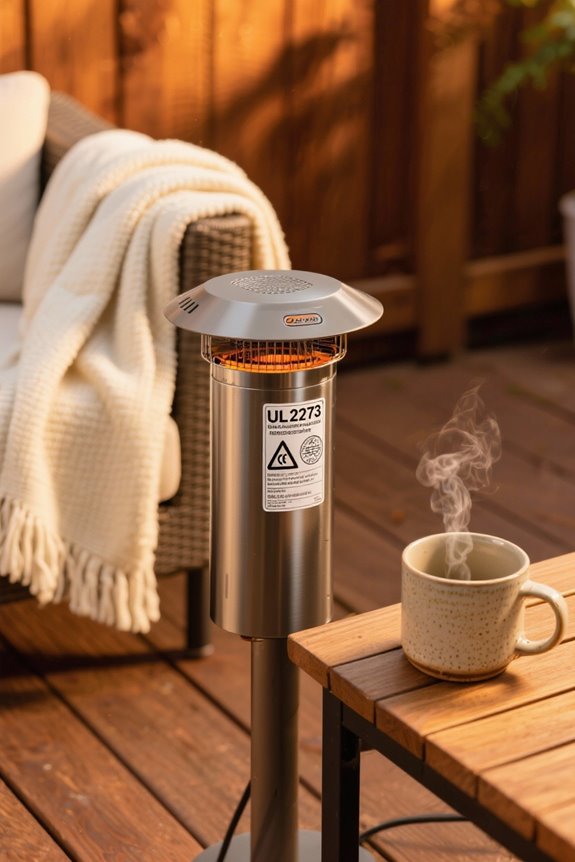
For anyone considering the use of electric outdoor heaters, understanding the UL2273 certification is crucial. This certification indicates that the heater meets safety standards for both home and commercial use. Key features of UL2273 include:
- Safety Standards: It covers electrical, thermal, and mechanical safety, addressing outdoor safety thoroughly.
- Rigorous Testing: Products undergo extensive testing to ascertain they do not pose fire or electrical shock hazards.
- Installation Guidelines: Heaters must maintain proper clearances from combustibles and be installed in well-ventilated areas. Additionally, choosing products with ETL certifications can provide further assurance of safety and compliance with recognized standards.
Recommended Products

【Instant Radiant Heat for Any Space】 – Experience fast, direct infrared warmth that heats people and objects, not just the air. Perfect for all-season use—whether it's a chilly spring night on a high-rise balcony, a cool Pacific Northwest summer evening, an autumn backyard gathering, or year-round in unheated spaces like garages and workshops. This heater hits its "sweet spot" in the crisp 50°F–65°F (10°C–18°C) range, delivers focused warmth without overheating the space.

Dual Element Electric Patio Heater

UL508A Certification for Industrial Control Panels
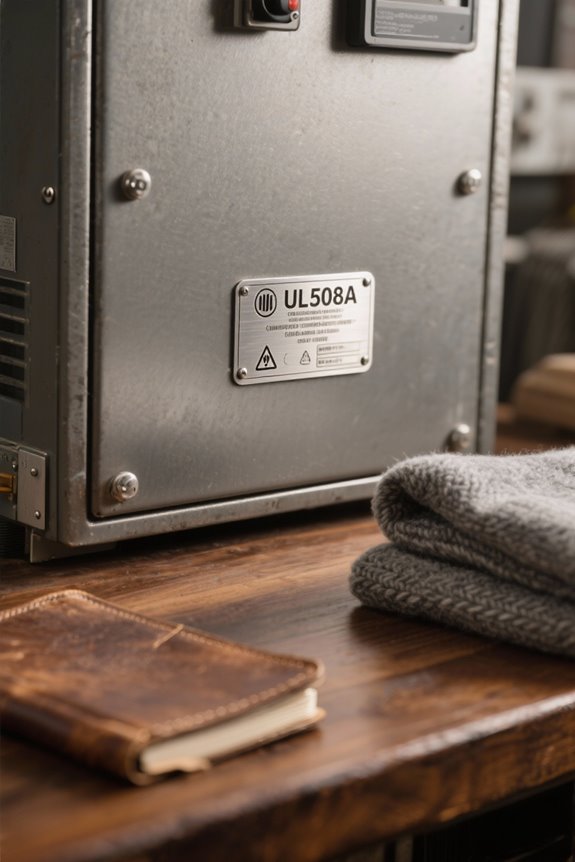
Achieving UL508A certification for industrial control panels signifies that these systems adhere to specific safety standards essential for industrial applications. This certification focuses on industrial panel safety, ensuring panels are built to meet UL 508A standards. It includes:
- A third-party audit of design and manufacturing processes.
- Compliance with requirements for spacing, labeling, and wiring.
- Use of UL recognized and listed components only.
Although not legally mandated, certification often satisfies purchasers, inspectors, and insurers. Properly labeled panels come with installation instructions and are designed for general industrial use. The UL508A mark represents assurance of safety, enhancing market recognition. It applies across various industries, including manufacturing and energy management, reinforcing the importance of reliable safety practices. Additionally, in environments where safety features are critical, certified components can significantly reduce risks associated with electrical panel failures.
Recommended Products

Heavy Duty H4 Performance – Built for Standard-duty industrial lifting and automated operations This 1 Ton (2000 lbs) electric chain hoist is rated H4 and complies with...
Importance of UL Listed Products
The significance of UL listed products extends beyond simple compliance, as it assures consumers of safety and reliability. These products undergo rigorous testing and evaluation, helping to reduce risks associated with electric shock and fire hazards.
Key benefits of UL certification include:
- Consumer Trust: The UL Mark represents independent validation, making consumers feel confident in their purchases.
- Product Reliability: Continuous audits and inspections enhance the credibility of UL listed heaters, ensuring they meet high safety standards.
- Market Acceptance: Retailers prefer UL certified items, making them more widely available to consumers. Additionally, models with effective safety features have demonstrated a commitment to user protection, further reinforcing the importance of UL certification.
NRTL Approval and Its Significance
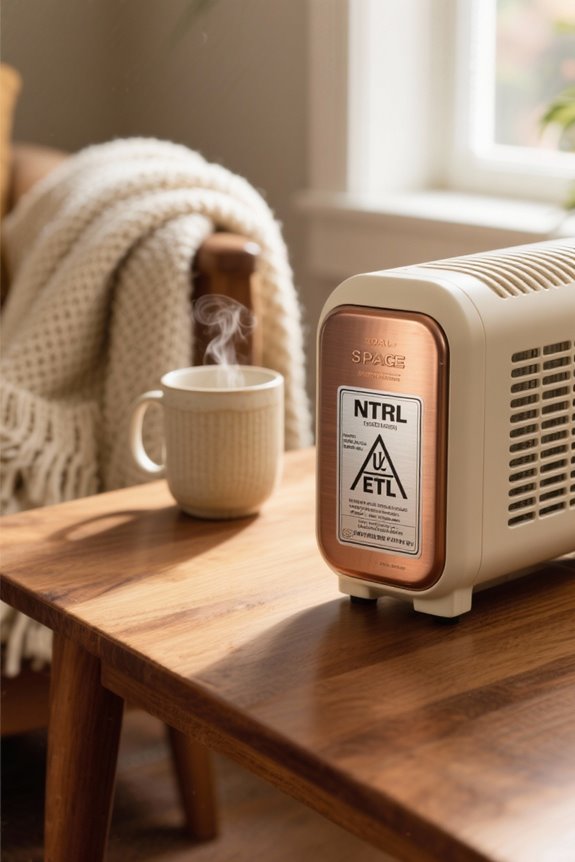
NRTL approval plays an essential role in guaranteeing that electrical appliances, including heaters, meet safety standards mandated by OSHA. The Nationally Recognized Testing Laboratory (NRTL) certification assures compliance with safety protocols, which is vital for workplace safety.
Certification Significance
- Regulatory Requirement: OSHA requires NRTL certification for over 39 categories of electrical equipment.
- Risk Reduction: This certification helps minimize hazards such as electrical shock and fire.
NRTL Overview
- Testing Standards: NRTL evaluations include ANSI, IEEE, and UL standards.
- Third-Party Validation: The certification mark confirms rigorous testing, enhancing trust and compliance in workplace settings. The assurance provided by safety features such as overheat protection in heaters further ensures safe operation.
Employers must prioritize products with valid NRTL marks to guarantee safety and avoid non-compliance penalties.
Comparing UL and ETL Certifications
When comparing UL and ETL certifications, it’s important to recognize their roles in ensuring product safety. Both UL (Underwriters Laboratories) and ETL (Electrical Testing Laboratories) are independent, nationally recognized testing laboratories (NRTLs) approved by OSHA.
Certification Differences:
- Origins: UL sets its own safety standards; ETL tests to existing standards.
- Market Perception: UL is often viewed as a “safety gold standard,” while ETL provides a faster, cost-effective option.
- Testing Rigor: Both require extensive testing, ensuring compliance with safety regulations.
Practical Implications:
- Heaters with either mark indicate they meet stringent electrical safety criteria. Notably, models that are ETL certified often include safety features like overheat protection.
- Consumers benefit from the assurance that products are safe for use, minimizing risks of fire or malfunction.
Recommended Products

Whole-Home Off-Grid Power: Still worried about power outages or unstable electricity? This system includes six 51.2V 100Ah LiFePO4 batteries and one 10000W MPPT hybrid inverter. It can support high-power appliances such as refrigerators and air conditioners, enabling stable whole-home power supply. It meets the needs of off-grid living and backup power, providing a reliable solution for energy independence.

[High-Efficiency Cooling & Heating]: The DELLA ceiling cassette mini split AC provides 42,000 BTU/h, 208-230 V. UL/ETL listed and AHRI certified for safety and performance. With a 22 SEER2 rating, it delivers strong, consistent cooling and heating. The heat pump supports year round comfort, operating even in temperatures as low as -13F (-25C)

[High-Efficiency Cooling & Heating]: The DELLA ceiling cassette mini split AC provides 35,000 BTU/h, 208-230 V. UL/ETL listed and AHRI certified for safety and performance. With a 22.5 SEER2 rating, it delivers strong, consistent cooling and heating. The heat pump supports year round comfort, operating even in temperatures as low as -13 ℉ (-25 ℃).
FM Approval for High Fire Safety Standards
FM Approval serves as an important benchmark for high fire safety standards in various industries. This third-party certification indicates that products have met stringent fire safety and loss prevention requirements. Awarded by FM Global, the certification reassures manufacturers and engineers that their industrial heating equipment complies with rigorous testing.
Key facts about FM Approval include:
- Fire Resistance: Equipment is tested for performance under hazardous conditions.
- Safety Standards: Heating products must demonstrate resistance to ignition and incorporate safe design features.
- Noncombustible Materials: FM Approved products are made from materials that do not catch fire.
- Installation Guidelines: Strict codes require separation from flammable areas. Additionally, it is essential to choose products with safety features such as overheat protection to enhance user safety.
Space Heater Safety Features
Space heaters are designed with various safety features to guarantee safe operation in homes and workplaces. These features enhance heater design and functionality, including:
- UL Certification: A standard that assures safety through rigorous testing for fire hazards and electrical safety.
- Thermostatic Controls: These automatically maintain the desired temperature, preventing overheating situations.
- Clearance Requirements: Keeping space heaters at least three feet away from combustible materials reduces fire risk.
- Electrical Cord Safety: Directly plugging heaters into wall outlets avoids overheating and electrical fires.
- Overheat Protection: Heaters often have mechanisms that shut off the device if internal temperatures exceed safe levels. Additionally, many models include child locks to enhance safety in households with children.
Recommended Products

𝐖𝐡𝐨𝐥𝐞-𝐇𝐨𝐮𝐬𝐞 𝐆𝐚𝐬 𝐇𝐨𝐭 𝐖𝐚𝐭𝐞𝐫 𝐏𝐨𝐰𝐞𝐫: Up to 199,000 BTU natural gas water heater delivers 6.86 GPM - runs 6 points simultaneously. Up to 7.6 GPM, each delivering 105°F water at a flow rate of 2 GPM, based on an inlet water temperature of 65°F. Built-in -20°F freeze protection with automatic drain assist. Oxygen-free copper heat exchanger Improved heat transfer efficiency.

𝐋𝐚𝐫𝐠𝐞 𝐂𝐚𝐩𝐚𝐜𝐢𝐭𝐲 𝐃𝐞𝐬𝐢𝐠𝐧: The 18-gallon sufficient capacity is enough to meet your family's hot water needs. It can be used in bathrooms, kitchens, garages, and various other locations. With its extra-large capacity and abundant water supply, you can use water without waiting.

Warmth & Safety: This 90" media console integrates a 50" electric fireplace that heats up to 400 sq. ft. with adjustable temperature (60°F–99°F) and dual power modes (750W/1500W). Enjoy a 0–8 hour timer, auto shut-off, and overheat protection. CSA, ETL, and UL-certified for complete peace of mind
Automatic Tip-Over Switches in Space Heaters
Automatic tip-over switches play an essential role in enhancing the safety of space heaters, especially in households where accidental knocks can occur. These switches are designed for tip-over prevention, immediately shutting off the heater if it tilts beyond a specific angle. This functionality considerably reduces the risk of fires, ensuring user safety in various environments.
Heaters equipped with automatic tip-over switches must comply with regulations and be certified by recognized laboratories, such as UL or ETL. Additionally, such safety features are crucial for minimizing distractions in office environments where focus is key.
Key benefits include:
- Increased fire prevention
- Reduced chance of burns and electrical shocks
- Compliance with local safety codes
Using heaters with this feature promotes confidence, reassuring users that their space heater will automatically power down in case of an accident.
Temperature Limits for Safe Operation
Maintaining safe operating temperatures is crucial for heater functionality and user safety. Temperature regulations are established to protect users from burns and overheating hazards. Many states limit heater surface temperatures to 120°F, especially in high-risk areas like daycare centers and assisted living facilities.
Key points include:
- Facilities often require protective covers or screens to maintain temperatures below this threshold.
- Regular inspections guarantee compliance with safety standards.
- Heaters designed for sensitive environments feature patented safety limits.
- Overheat protection mechanisms automatically shut off heating elements to prevent excessive temperatures.
- Safety features such as thermal overload protection are essential to ensure safe operation of heaters.
Safety awareness surrounding operational guidelines includes monitoring heater use to avoid prolonged continuous operation and allowing cool-down periods to mitigate risks. Compliance with these standards enhances safety for all users.
Energy Efficiency Certifications for Heaters
How does energy efficiency certification impact the choice of heaters for residential and commercial use? Energy efficiency certifications, such as ENERGY STAR®, greatly influence heater performance. Products that earn this certification meet strict guidelines set by the U.S. Environmental Protection Agency (EPA).
Key aspects include:
- Uniform Energy Factor (UEF): This measures the energy efficiency of non-solar heaters. A higher UEF indicates better performance.
- Solar Uniform Energy Factor (SUEF): Specifically for solar water heaters, it evaluates efficiency, requiring minimum values for certification.
Both UEF and SUEF metrics help consumers compare heaters based on energy efficiency. Selecting certified heaters not only guarantees better performance but may also provide eligibility for federal tax incentives, further encouraging energy-efficient choices.
International Certifications and Compliance
When considering heater options beyond energy efficiency, international certifications and compliance play a significant role in product selection. These certifications guarantee that heaters meet international standards for safety and performance. Significantly, the Eurasian Economic Union requires compliance with TR CU certifications, covering safety and electromagnetic compatibility for various heater types.
In North America, CSA certification verifies heaters fulfill ANSI safety standards. Meanwhile, IECEx certification facilitates global compliance for equipment in explosive environments, reducing the need for multiple national certifications. Additionally, ATEX and NEC focus on safety for equipment and installations in hazardous locations, respectively.
These certifications help guarantee quality, minimize risks, and protect consumers, making them essential considerations when selecting heaters.
CPSC’s Role in Heater Safety Standards
The U.S. Consumer Product Safety Commission (CPSC) plays a pivotal role in heater safety standards. Established to protect consumers, the CPSC has a long history of addressing hazards, such as fires and carbon monoxide poisoning linked to heating appliances. Its safety impact is significant, as the CPSC develops regulations designed to reduce injuries and fatalities associated with heaters.
To guarantee compliance, the CPSC collaborates with organizations like Underwriters Laboratories (UL) to set voluntary standards for electric heaters. This partnership helps to mitigate fire risks. By collecting data on heating-related injuries, the CPSC continually informs its regulatory decisions, addressing potential hazards to improve consumer safety and promote awareness of proper heater usage.
The Importance of Industry Standards and Compliance
Adhering to industry standards and compliance is essential for ensuring the safety and reliability of heaters. These standards, including UL and FM certifications, validate safety claims and help prevent hazards. Compliance challenges can arise, especially as regulatory updates frequently change requirements in the heating industry.
Key points to take into account include:
- Third-party certifications validate the safety and performance of heaters.
- Compliance with standards reduces risks associated with electrical failures and fires.
- Meeting regulatory standards builds trust among engineers, installers, and consumers.
- Continuous updates require manufacturers to stay informed to maintain certification.
Frequently Asked Questions
What Types of Heaters Are Covered Under UL Safety Certifications?
Various heater types are covered under UL safety certifications, including electric heating appliances, fixed room heaters, sauna heaters, and water heaters. These certifications guarantee safety ratings that enhance reliability and performance in diverse applications.
How Do I Verify if My Heater Has a Valid Certification?
To verify a heater’s certification, one must explore heating regulations and certification processes, checking documentation like registration and technical data sheets, ensuring compliance with safety standards and avoiding the shadow of potential hazards.
Are There Specific Certifications for Gas Heaters?
Gas heater certifications encompass various safety testing standards, including UL listings and CSA marks. Compliance with regulations, such as the Gas Appliances Regulation (GAR), guarantees safety and performance for consumers using gas-fired heating equipment.
How Often Are Safety Standards for Heaters Updated?
Safety regulation updates for heaters typically occur every three to five years, driven by compliance trends, technological advancements, and emerging risks, ensuring that heaters meet current safety and efficiency standards while addressing marketplace needs.
Can I Use a Certified Heater Outside or in Wet Conditions?
Studies reveal that nearly 70% of patio heater accidents occur in wet conditions. A certified outdoor heater is safe for use in wet environments, provided proper installation and safety protocols are followed consistently to mitigate risks.


