As an Amazon Associate, we earn from qualifying purchases. Some links on this site are affiliate links at no extra cost to you. Our recommendations are based on thorough research and editorial judgment.


Space Heater Safety: Essential Tips

Space heater safety is crucial for preventing fires. To guarantee safety, keep heaters at least three feet away from flammable materials. Always plug them directly into wall outlets and check for damage. Look for heaters with safety features, like automatic shutoff and overheating protection. Regular maintenance is important; inspect cords and clean vents. Awareness campaigns by organizations can also help. Adopting alternative heating solutions offers further benefits. Understanding these tips can enhance your safe use of space heaters.
Key Takeaways
- Keep space heaters at least three feet away from flammable materials and ensure they are on stable, hard surfaces.
- Plug heaters directly into wall outlets; avoid using extension cords or power strips to prevent overheating.
- Regularly inspect heaters for damage, and maintain cleanliness to prevent dust buildup that could ignite.
- Choose heaters with automatic shut-off features and ensure they are certified by recognized safety organizations such as UL.
- Stay informed about local regulations and participate in community safety workshops to enhance awareness of space heater safety.
Understanding the Risks of Space Heaters
What are the potential risks associated with space heaters? Space heaters pose several hazards, making it crucial for users to understand these dangers.
- High Fire Incidence: They are linked to approximately 43% of heating fires, resulting in almost 480 deaths annually.
- Electrical Issues: Faulty wiring and improper maintenance can also lead to dangerous situations.
Safety features, such as tip-over switches and overheat protection, enhance safety, though users must still exercise caution. Regular maintenance and inspection of safety features can play a significant role in preventing mishaps.
Space heater regulations vary, emphasizing the need for heating safety awareness. Regular inspections and proper placement can markedly reduce risks.
Understanding these factors is essential for safe usage, ensuring the heaters function effectively while minimizing potential threats to life and property.
Importance of Keeping Distance From Flammables
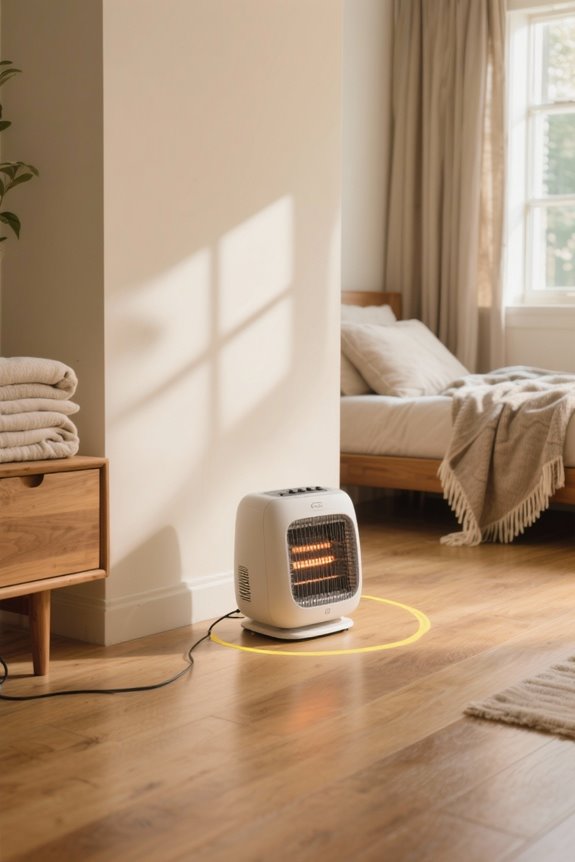
Space heater safety hinges on the important practice of maintaining a safe distance from flammable materials. To guarantee effective fire prevention, it is essential to keep at least three feet between space heaters and any combustibles. These materials include furniture, bedding, drapes, and clothing.
- Place space heaters on hard, level surfaces, avoiding soft or elevated areas.
- Keep the surrounding area clear of stacked items like laundry and paper.
- Rugs and carpets should be kept away from heaters, as they increase fire risk.
Additionally, do not obstruct airflow by placing items on the heater itself. Awareness and adherence to these guidelines notably reduce the chances of fire incidents stemming from nearby heat sources. Choosing models with safety features like tip-over protection and overheat prevention enhances safety against potential hazards.
Proper Power Source Utilization
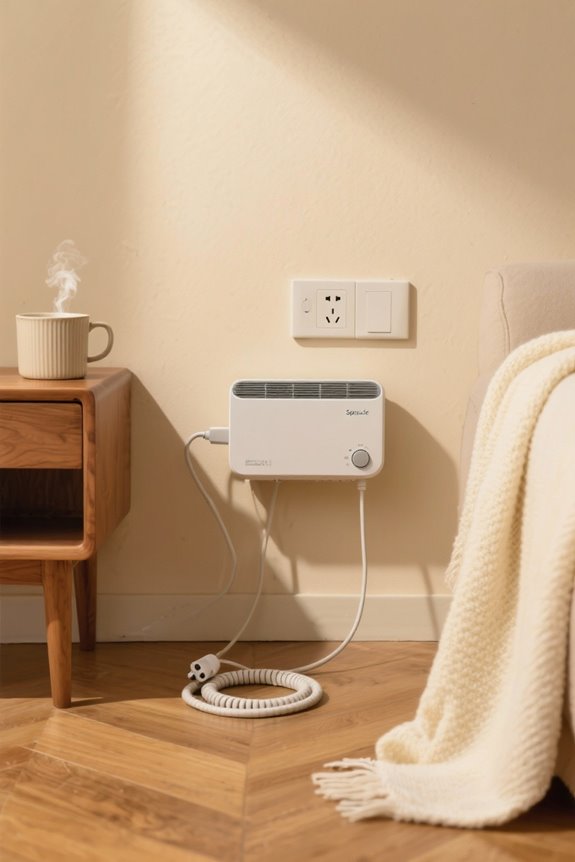
Maintaining a safe distance from flammable materials is just one part of guaranteeing space heater safety. Proper outlet usage is essential for effective operation. Space heaters should be plugged directly into a wall outlet, avoiding extension cords and power strips, which can cause overheating. Inspect outlets for any damage and verify they are not overloaded by other devices.
To prevent electrical overload, limit space heaters to one per circuit, keeping them away from major appliances. Regularly check circuit breakers for wear, and consult a licensed electrician if needed. This minimizes risks and promotes safe, reliable use of heaters. By following these guidelines, space heater users can foster a safer environment, helping prevent potential hazards associated with improper power source utilization. Additionally, consider features like overheat protection to enhance your space heater’s safety profile.
Recommended Products


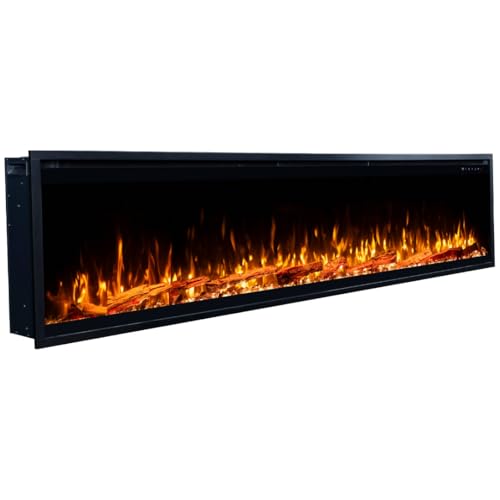
DESIGNED FOR WALL-MOUNT OR RECESSED INSTALLATION: The Touchstone Sideline Elite Pro 100-inch Electric Fireplace offers versatile installation options for wall-mount or recessed setups, seamlessly integrating into any living space. Its slim frame and modern design enhance the elegance of living rooms, bedrooms, or offices. Dimensions: 100" W x 19 ¼” H x 6 5/16" D (depth). Rough opening: 98 11/16" W x 18 ¼” H x 6 3/8" D. The deeper viewing area adds a touch of realism and sophistication.
Safety Features to Look For in Space Heaters
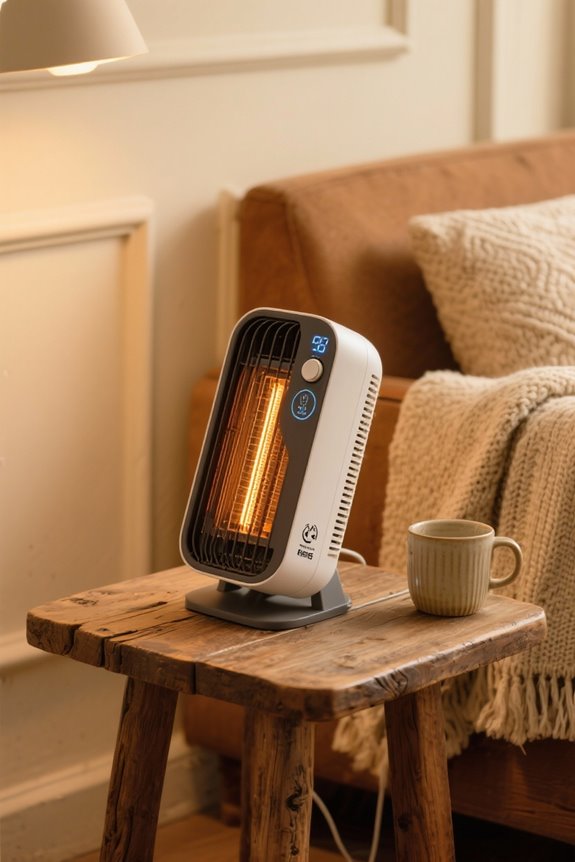
When selecting a space heater, it is essential to prioritize safety features that help minimize risks in use. Begin by looking for heater certifications from Nationally Recognized Testing Laboratories, like UL or ETL. These certifications guarantee compliance with strict safety standards.
Key safety features include:
- Automatic Safety Shutoffs: Models should have tip-over switches and overheating protection mechanisms. These features help prevent fire hazards.
- Thermostats: Adjustable thermostats maintain safe surface temperatures, avoiding any potential ignition.
- Construction: Choose heaters with sturdy metal housings, protective grills, and stable bases to reduce the risk of accidental tipping. Additionally, ensure that the heater complies with safety standards to provide peace of mind during operation.
Recommended Products

KoolMore Reserve Collection: Proudly part of the high-end KoolMore Reserve collection, this Outdoor Kitchen Island exemplifies luxury, style, and superior craftsmanship.

Core configuration: Equipped with RATO gasoline engine, providing stable power output, using air-cooled cooling, without the need for additional coolant. Low maintenance cost, convenient maintenance and repair in the later stage

【Luxurious Size】Our spacious home wooden sauna size is53.2''L*54.77''W*78.8''H for 2 Person use. Large space for 2-3 person use who want to enjoy the benefits of a sauna in your home, Indoor/Outdoor use, does not take up your indoor space in outdoor use
Avoiding Common Mistakes With Space Heaters
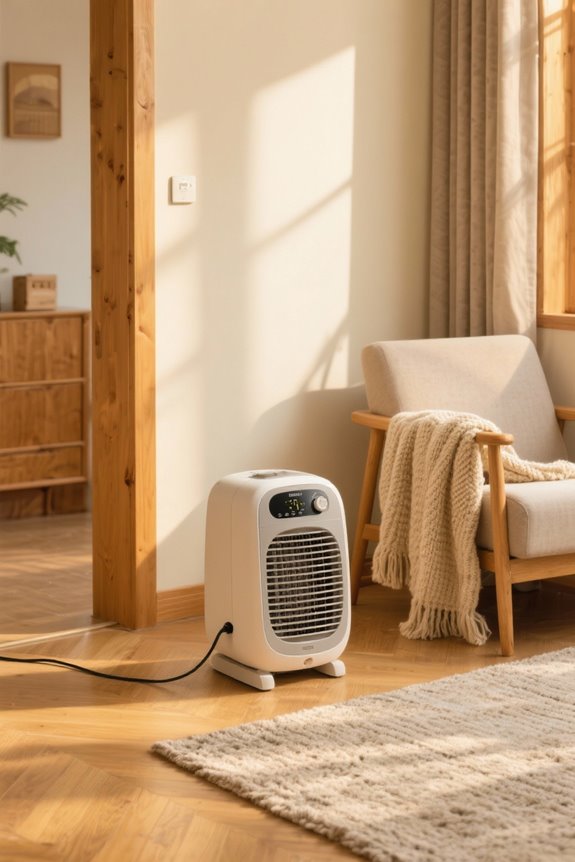
Proper use of space heaters involves understanding and avoiding common mistakes that can lead to unsafe situations. Many space heater myths, such as the belief that extension cords are safe, are dangerous misconceptions. Space heaters should always be plugged directly into a wall outlet.
Key mistakes to avoid include:
- Placement: Maintain at least three feet from flammable items and avoid using them on unstable surfaces.
- Supervision: Never leave heaters unattended, especially while sleeping or leaving the home.
- Usage: Do not dry clothes on heaters or allow children and pets near them. Additionally, ensure that your heater is equipped with comprehensive safety features like tip-over protection to prevent accidents.
Recommended Products

Adjustable Control: With 4 crank-operated roof sections, close the louvers for shade during heat, open them in the morning to let in sunlight, or at night to enjoy the starlit sky, ensuring comfort at any time. The louvered design provides airflow, prevents heat buildup like a solid roof, and offers precise control over light and shadow. Combines the open feel of traditional pergolas with the shelter and protection of gazebos

INCLUDED BASE: Weighted base is included, 5 years for fabric.

ETL Listed For Use In Damp Locations
Regular Maintenance and Inspection
Regular maintenance and inspection of space heaters is essential for safe operation and longevity. Implementing preventive measures can greatly reduce risks associated with heater usage. An effective inspection checklist should include:
- Conducting a visual inspection for damage to the heater, cord, and plug before use.
- Making certain all connections are secure and examining for signs of overheating.
- Using only grounded, three-prong plugs and avoiding extension cords.
- Regularly cleaning the heater’s exterior and vents to prevent dust buildup.
- Functionally testing controls, thermostats, and safety features.
Maintaining a record of inspections and repairs helps track wear over time and guarantees compliance with safety standards. Adhering to these steps not only promotes safety but also extends the lifespan of the space heater. Additionally, safety features such as thermal shut-off and automatic shut-off capabilities are crucial to ensure safe operation.
Recommended Products

Durable Performance: Directly from a leading commercial kitchen equipment manufacturer; Stainless steel countertop griddle Built for heavy-duty tasks and simplifies cleaning; Ideal for your kitchen's lasting reliability

FORCED AIR HEATER, 80,000 BTU: Heats up to 2,000 sq ft, ideal for large spaces, workshops, and outdoor construction sites.

HIGH CAPACITY FORCED AIR HEATER: 50,000 BTUs and 175 CFM airflow, heats up to 1,200 sq ft for fast, efficient area heating.
Educational Campaigns for Space Heater Safety
Space heater safety requires ongoing education to guarantee that users understand the risks and proper usage. Educational campaigns, such as those developed through the Fire and Life Safety Communicators Initiative, play an essential role in this effort.
- Campaign Strategies: These include public service announcements, community outreach programs, and social media engagement.
- Target Areas: Special focus is placed on vulnerable groups, like older adults, to guarantee their increased safety.
- Public Engagement: Events and partnerships with local media help disseminate safety information widely.
- Statistics and Success: Campaigns highlight statistics on fire hazards, advocating for working smoke alarms and escape plans. Additionally, emphasizing the importance of safety features like overheat protection and tip-over protection can significantly reduce risks associated with space heater use.
Alternative Heating Solutions
Alternative heating solutions have gained attention as a way to provide efficient and sustainable warmth in homes. Among these, heat pumps are notable for their heat pump efficiency, which can reach 300%-400%. They transfer heat instead of generating it, making them an effective option for residential heating.
Solar thermal integration is another alternative; it captures solar energy to heat water or air. This system can reduce reliance on fossil fuels and is often combined with heat pumps to enhance overall efficiency. Furthermore, many of these systems boast sealed burn technology, which enhances safety and efficiency by preventing gas leaks and ensuring complete combustion.
Lastly, biomass heating uses renewable materials like wood or pellets, offering an eco-friendly heating option. Overall, these solutions promote reduced carbon footprints and sustainability, providing viable alternatives to traditional heating methods.
Recommended Products

POWERFUL 1.5HP MOTOR - 1.5HP motor with a 0 degrees to 45 degrees mitering head provides flexibilty for workshop or industrial use. This saw is ready to handle tough materials with reliable performance

Designed to Fit Real Life, Not Occasional Use: Created for individuals who value consistent recovery as part of daily life. Switch between cooling and warming sessions to match workdays, training days, or slower recovery-focused evenings

Community and Regulatory Support for Safety Standards
As communities increasingly recognize the importance of safety standards for space heaters, various initiatives emerge to enhance public awareness and compliance. Organizations such as the National Fire Protection Association (NFPA) engage in community outreach through public awareness campaigns, educating residents about proper space heater use. Local fire departments often provide safety tips and guidelines, while workshops and seminars teach residents best practices. Additionally, understanding the significance of adjustable features in bedding accessories can parallel the need for adaptable safety measures in heating devices. Regulatory support is also essential. Space heaters must meet established safety standards from organizations like Underwriters Laboratories (UL). Compliance monitoring includes regular inspections to guarantee adherence to these safety standards. Ultimately, this collaboration between community efforts and regulatory frameworks fosters a safer environment, helping individuals make informed choices about space heater usage.
Frequently Asked Questions
How Can I Recognize a Malfunctioning Space Heater?
A malfunctioning space heater presents heating performance issues such as inconsistent warmth, unusual noises, and overheating indicators. Visible damage, odors, and flickering lights also suggest component failures or safety risks requiring immediate attention and inspection.
What Should I Do if My Space Heater Catches Fire?
In the midst of chaos, one must remain calm. Turning off the inferno’s source, calling emergency services, and employing a fire extinguisher saves lives—while ensuring safety is paramount until help arrives to quell the flames.
Can I Use a Space Heater in a Bathroom?
Using a space heater in a bathroom is generally unsafe due to bathroom safety concerns. Most heater types present electrical and fire hazards in wet environments, making them inappropriate for such spaces without strict safety precautions.
How Often Should I Replace My Space Heater?
A space heater’s lifespan typically spans five to ten years. With diligent heater maintenance, its longevity enhances, but signs of wear, diminished performance, or safety concerns should prompt timely replacement for warmth and peace of mind.
Are There Any Recalls for Space Heaters Currently?
As of early 2026, significant space heater recalls have been issued due to safety standards violations, involving risks of electric shock and fire. Consumers should remain vigilant and check for updates on affected models.


